
Can You Successfully Keep Stingray Fish as Pets at Home

Stingray fish are fascinating creatures that attract many aquarium enthusiasts with their unique shape and graceful movements. But can you keep stingrays at home successfully? The answer depends on several factors including tank size, water conditions, diet, and safety precautions. This post explores expert advice on what it takes to care for stingray fish in a home aquarium and whether they make suitable pets.

Understanding Stingray Species Suitable for Home Aquariums
Not all stingrays are appropriate for home tanks. Most stingrays found in the pet trade are freshwater species, such as the Potamotrygon genus native to South America. These stingrays are smaller and more adaptable to aquarium life compared to their marine relatives.
Freshwater stingrays typically grow between 12 to 24 inches in diameter.
Marine stingrays require large saltwater tanks and specialized care, making them unsuitable for most hobbyists.
Choosing the right species is the first step. For beginners, freshwater stingrays like the Motoro or Pearl stingray offer a better chance of success.
Tank Requirements and Setup
Stingrays need a large, well-maintained tank to thrive. Their flat bodies and swimming style require ample floor space rather than height.
Minimum tank size: 125 gallons for a single adult freshwater stingray.
Substrate: Fine sand is best to protect their delicate undersides.
Filtration: Powerful filtration is essential to maintain excellent water quality.
Water parameters: Temperature between 75-82°F, pH 6.8-7.6, and soft to moderately hard water.
Stingrays are sensitive to poor water conditions, so regular water changes and monitoring are critical. Avoid sharp decorations or gravel that could injure them.
Feeding and Nutrition
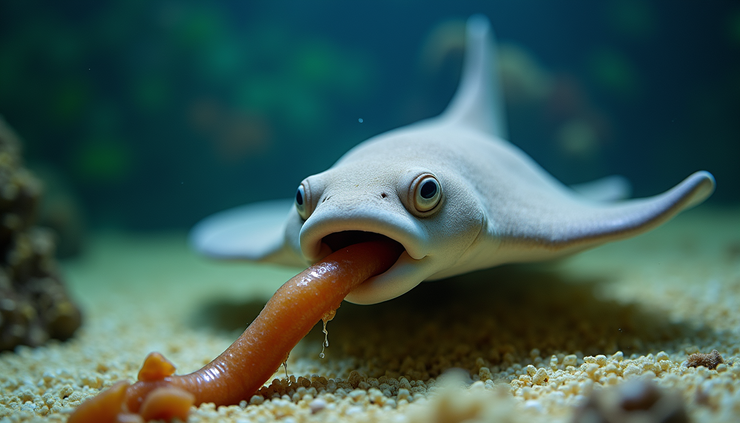
Stingrays are carnivores with a diet mainly consisting of live or frozen foods. Their feeding habits require attention to ensure proper nutrition.
Common foods: Bloodworms, earthworms, shrimp, and small fish.
Feeding frequency: Once or twice daily, offering only what they can consume in a few minutes.
Avoid overfeeding to prevent water quality issues.
Some stingrays can be picky eaters initially but usually adapt to frozen foods over time. Providing a varied diet helps keep them healthy.
Behavior and Compatibility
Stingrays are generally peaceful but can be shy and require a calm environment. They spend most of their time on the tank bottom, often burying themselves in the sand.
Tank mates should be chosen carefully to avoid aggression or stress.
Avoid fin-nipping fish or overly active species.
Suitable companions include larger peaceful fish that occupy different tank levels.
Stingrays can live for 10 years or more with proper care, so commitment is important.
Safety Considerations
One of the biggest concerns with keeping stingrays is their venomous tail spine. While freshwater stingrays are less dangerous than marine species, they can still cause painful wounds.
Handle stingrays only when necessary and with extreme care.
Use tools like nets or containers instead of bare hands.
Educate all household members about the risks.
Proper tank setup and respect for the animal’s space reduce the chance of injury.

Final Thoughts on Keeping Stingrays at Home
Keeping stingray fish at home is possible but requires dedication, space, and knowledge. They are not beginner fish and need specific conditions to stay healthy. If you have the right setup and are willing to invest time in their care, stingrays can become fascinating and rewarding pets.
Before deciding, research the species you want, prepare a suitable tank, and understand their diet and behavior. This preparation helps ensure your stingray thrives and you enjoy a unique aquarium experience.


Comments