
Essential Tips for Successful Fish Keeping in India
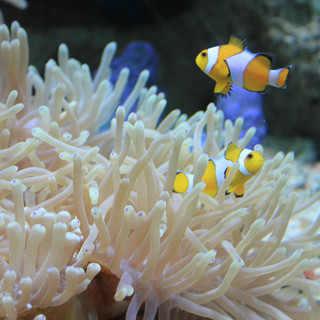
Fish keeping is a rewarding hobby that brings a slice of nature into your home. In India, with its diverse climate and rich aquatic biodiversity, fish keeping can be both exciting and challenging. Whether you are setting up your first aquarium or looking to improve your skills, understanding the essentials is key to success. This guide will walk you through practical tips and expert advice to help you maintain a healthy and vibrant aquarium.
Understanding Fish Keeping Tips India: Climate and Environment Considerations
India's climate varies widely from tropical to temperate zones, which affects how you care for your aquarium. The temperature, humidity, and water quality in your region will influence the types of fish you can keep and the maintenance routines you need to follow.
Temperature Control: Most tropical fish thrive between 75°F and 80°F (24°C to 27°C). In colder regions or during winter, you may need a reliable aquarium heater to maintain stable temperatures.
Water Quality: Tap water in many parts of India contains chlorine and heavy metals. Use a water conditioner to make it safe for fish. Regular water testing for pH, ammonia, nitrites, and nitrates is essential.
Humidity and Ventilation: High humidity can affect the aquarium environment. Ensure good room ventilation to prevent mold and maintain air quality.
By adapting your setup to local conditions, you can create a comfortable habitat for your fish.

Essential Fish Keeping Tips India: Choosing the Right Fish and Equipment
Selecting the right fish species and equipment is crucial for a thriving aquarium. Here are some important points to consider:
Fish Selection: Start with hardy species like guppies, mollies, or goldfish, which are easier to care for. Avoid mixing aggressive and peaceful species to prevent stress and injuries.
Tank Size: Bigger tanks are more stable and easier to maintain. A minimum of 20 gallons is recommended for beginners.
Filtration System: A good filter keeps the water clean and oxygenated. Choose a filter suitable for your tank size and fish load.
Lighting: Proper lighting supports fish health and plant growth. Use LED lights with a timer to simulate natural day-night cycles.
Substrate and Decorations: Use gravel or sand as substrate. Add plants, rocks, and hiding spots to mimic natural habitats and reduce fish stress.
Investing in quality equipment and choosing compatible fish species will set the foundation for a successful aquarium.

How to be a Good Fish Keeper?
Being a good fish keeper means more than just feeding your fish. It involves understanding their needs and creating a balanced ecosystem.
Regular Maintenance: Perform partial water changes (20-30%) weekly to keep water parameters stable. Clean the tank glass and filter media as needed.
Feeding Practices: Feed your fish small amounts 1-2 times daily. Avoid overfeeding, which can pollute the water and harm fish health.
Observation: Watch your fish daily for signs of illness or stress, such as unusual swimming patterns, discoloration, or loss of appetite.
Quarantine New Fish: Always quarantine new arrivals for 2-3 weeks to prevent introducing diseases to your main tank.
Learn Continuously: Use a reliable fish keeping guide to stay updated on best practices and troubleshoot problems.
Patience and attention to detail are the hallmarks of a responsible fish keeper.

Feeding and Nutrition: What to Feed Your Fish in India
Proper nutrition is vital for fish health and longevity. In India, you have access to a variety of commercial and natural food options.
Commercial Fish Food: Use high-quality flakes, pellets, or granules formulated for your fish species. These provide balanced nutrition.
Live and Frozen Foods: Supplement diets with live or frozen foods like brine shrimp, bloodworms, and daphnia to enhance color and vitality.
Vegetables: Some fish enjoy blanched vegetables such as spinach, peas, and zucchini. These add fiber and variety.
Feeding Frequency: Feed small portions twice a day. Remove uneaten food after 5 minutes to prevent water contamination.
Balanced feeding supports growth, reproduction, and disease resistance.
Creating a Healthy Aquarium Ecosystem in Indian Homes
A stable ecosystem is the key to long-term fish keeping success. Here are some tips to maintain balance:
Cycling the Tank: Before adding fish, cycle your tank to establish beneficial bacteria that break down waste. This process can take 4-6 weeks.
Plant Care: Live plants improve water quality by absorbing nitrates and providing oxygen. Choose easy-to-grow species like Java fern or Anubias.
Avoid Overcrowding: Follow the rule of one inch of fish per gallon of water to prevent stress and poor water quality.
Monitor Water Parameters: Use test kits regularly to check pH, ammonia, nitrite, and nitrate levels. Adjust as needed with water changes or additives.
Lighting and Temperature: Maintain consistent lighting schedules and stable temperatures to mimic natural conditions.
By fostering a balanced environment, your fish will thrive and display their natural behaviors.
Fish keeping in India can be a fulfilling hobby with the right knowledge and care. By understanding your local environment, choosing suitable fish and equipment, and maintaining a healthy ecosystem, you can enjoy a beautiful and lively aquarium. Remember, patience and continuous learning are your best tools for success.
For more detailed advice and updates, explore this comprehensive fish keeping guide and keep your aquatic friends happy and healthy.


Comments