
Ideal Water Parameters for Discus Fish: A Complete Guide for Healthy and Vibrant Discus

Discus fish are among the most beautiful and sought-after freshwater aquarium fish. Known for their vibrant colors and graceful swimming patterns, Discus require stable and high-quality water conditions to thrive. Maintaining the correct water parameters is one of the most important aspects of successful Discus fish care.
At Blessings Aquarium, Pune, we help aquarium enthusiasts create the perfect environment for Discus fish to ensure long-term health, growth, and stunning coloration.

Why Water Parameters Matter for Discus Fish
Discus fish are native to the warm, soft waters of the Amazon River basin. They are highly sensitive to changes in water quality, making stable parameters essential. Poor water conditions can lead to stress, weakened immunity, loss of appetite, and increased
susceptibility to diseases.
Ideal Water Parameters for Discus Fish
1. Water Temperature
Recommended Range: 28°C to 30°C (82°F to 86°F)
Discus fish thrive in warm water. Maintaining a consistent temperature helps support their metabolism, digestion, and immune system.
Tips:
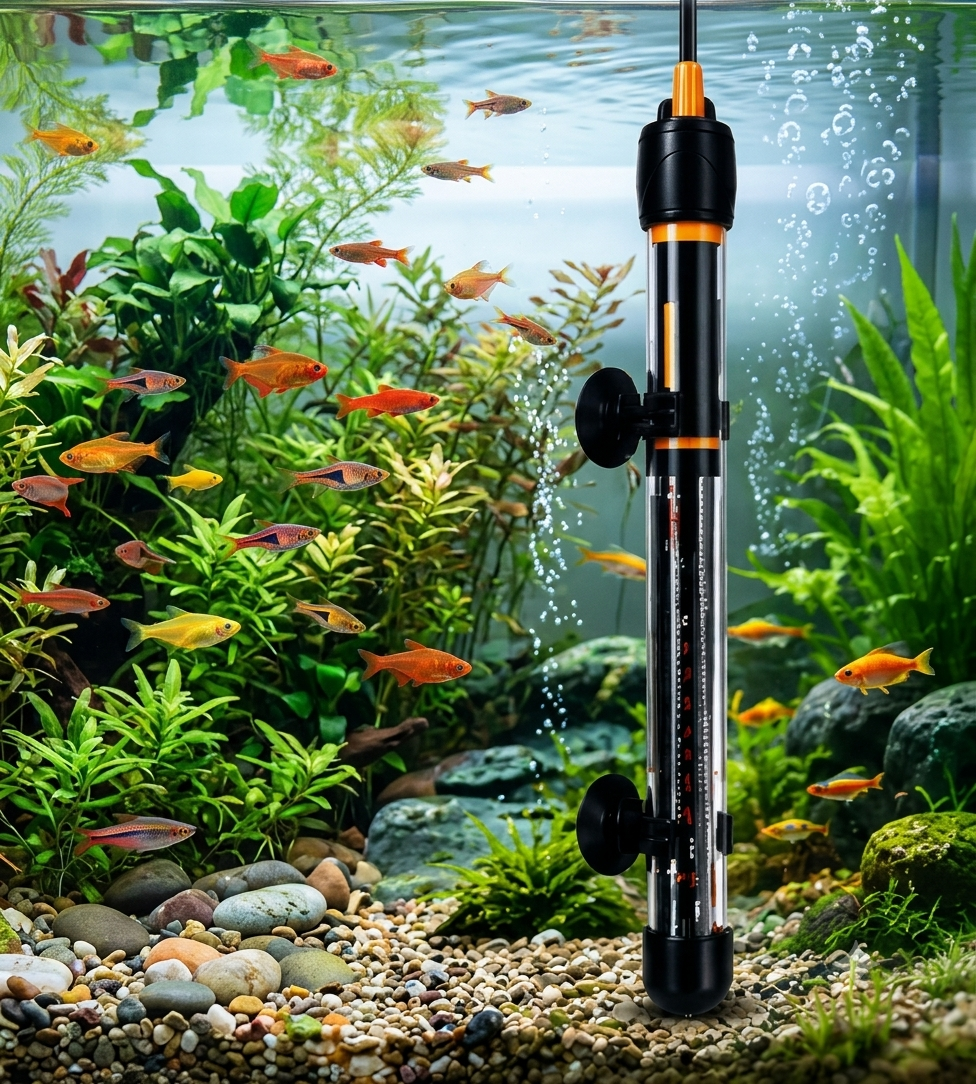
Use a reliable aquarium heater.
Avoid sudden temperature fluctuations.
Monitor temperature daily with an aquarium thermometer.
2. pH Level
Recommended Range: 6.0 to 7.0
Discus prefer slightly acidic to neutral water. Stable pH levels are more important than constantly trying to achieve an exact number.
Tips:
Test pH regularly.
Avoid sudden changes in water chemistry.
Use natural methods to maintain stability when necessary.
3. Water Hardness (GH)
Recommended Range: 1 to 8 dGH
Soft to moderately soft water closely resembles the Discus fish's natural habitat and supports overall health.
Benefits of Proper Hardness:
Better coloration
Reduced stress
Improved growth
4. Carbonate Hardness (KH)
Recommended Range: 1 to 4 dKH
KH helps stabilize pH levels and prevents sudden fluctuations that can stress Discus fish.
Tips:
Regularly monitor KH levels.
Make gradual adjustments if needed.
5. Ammonia
Recommended Level: 0 ppm
Ammonia is highly toxic to Discus fish, even in small amounts.
How to Control Ammonia:
Maintain proper biological filtration.
Avoid overfeeding.
Perform routine water changes.
6. Nitrite
Recommended Level: 0 ppm
Nitrite interferes with oxygen transport in fish and should never be present in a healthy aquarium.
Prevention:
Ensure the aquarium is fully cycled.
Maintain beneficial bacteria in the filter.
7. Nitrate
Recommended Level: Below 20 ppm
While less toxic than ammonia and nitrite, high nitrate levels can still stress Discus fish and impact their health.
Control Methods:
Weekly water changes.
Avoid overstocking.
Regular tank maintenance.
Importance of Water Stability
For Discus fish, stability is often more important than achieving perfect numbers. Sudden changes in temperature, pH, or hardness can cause significant stress and health problems.
Best Practices for Stability
Perform regular water testing.
Use quality filtration systems.
Conduct consistent water changes.
Match new water parameters during water changes.
Avoid making large adjustments at once.
Recommended Water Change Schedule
Discus fish benefit from clean water and frequent maintenance.
General Guidelines:
Community Discus Tanks: 25–30% weekly water change.
Growing Juvenile Discus: More frequent water changes may be beneficial.
Heavily Stocked Tanks: Additional maintenance may be required.
Signs of Poor Water Quality
Watch for these warning signs:
Loss of appetite
Darkened coloration
Rapid breathing
Clamped fins
Hiding behavior
Increased disease outbreaks
If you notice any of these symptoms, test your water parameters immediately.
Conclusion
Maintaining the ideal water parameters is the foundation of successful Discus fish keeping. Warm temperatures, soft water, stable pH, and excellent water quality help Discus display their best colors, remain healthy, and live longer.
At Blessings Aquarium, Pune, we provide expert guidance, healthy Discus fish, aquarium equipment, and water testing solutions to help hobbyists create the perfect Discus aquarium.


Comments