
Essential Tips for Big Aquarium Maintenance That You Might Be Overlooking

Maintaining a large aquarium is a rewarding but challenging task. Many aquarium owners focus on the basics like feeding fish and cleaning the tank glass but overlook critical aspects that keep the ecosystem healthy and thriving. Neglecting these details can lead to poor water quality, stressed fish, and costly repairs. This post highlights essential maintenance tips that often go unnoticed but make a big difference in the long run.

Monitor Water Parameters Regularly
Water quality is the foundation of a healthy aquarium. While many owners test for ammonia, nitrites, and nitrates, they often ignore other important parameters such as pH, hardness, and temperature fluctuations. These factors influence fish health and plant growth.
Test pH weekly to ensure it stays within the ideal range for your species.
Check water hardness monthly, especially if you have sensitive fish.
Use a reliable thermometer to track temperature changes daily, as even small shifts can stress aquatic life.
Keeping a log of these readings helps identify trends and catch problems early before they escalate.
Maintain and Clean Equipment Thoroughly
Filters, heaters, and pumps work hard in a big aquarium but often get overlooked during routine cleaning. Dirty or malfunctioning equipment reduces efficiency and can harm water quality.
Clean filter media gently with tank water to preserve beneficial bacteria.
Inspect heaters and thermostats for accurate readings and signs of wear.
Check water pumps and powerheads for blockages or damage monthly.
Replacing worn parts promptly prevents breakdowns that could disrupt the tank environment.
Manage Algae Growth Proactively
Algae can quickly take over a large aquarium if left unchecked. Many owners only remove visible algae but miss the root causes.
Control lighting duration to 8-10 hours daily to limit algae photosynthesis.
Avoid overfeeding as excess nutrients fuel algae blooms.
Introduce algae-eating species like certain snails or fish to help keep growth in balance.
Regularly cleaning decorations and glass surfaces also helps maintain a clear view and healthy habitat.

Perform Partial Water Changes Consistently
Large aquariums require regular water changes to remove toxins and replenish minerals. Skipping or delaying water changes leads to the buildup of harmful substances.
Change 10-20% of the water weekly depending on stocking levels.
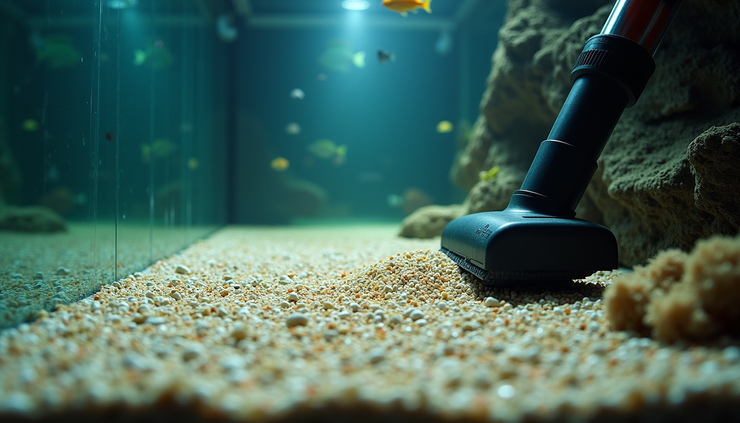
Use a gravel vacuum to remove debris from the substrate.
Treat tap water with a dechlorinator before adding it to the tank.
Consistent water changes improve oxygen levels and reduce stress on fish and plants.
Pay Attention to Substrate and Decorations
The substrate and decorations are more than just aesthetics; they influence water chemistry and provide hiding places for fish.
Clean the substrate carefully during water changes to avoid disturbing beneficial bacteria.
Avoid overcrowding decorations which can trap waste and limit swimming space.
Choose inert materials that do not alter water pH or release toxins.
Rotating or rearranging decorations occasionally can prevent dead zones where debris accumulates.
Observe Fish Behavior and Health Daily
Fish often show early signs of stress or illness through changes in behavior or appearance. Many owners focus on water quality but miss these subtle clues.
Watch for unusual swimming patterns such as gasping at the surface or hiding.
Look for physical signs like discoloration, spots, or torn fins.
Quarantine new fish before adding them to the main tank to prevent disease spread.
Early detection allows for timely treatment and prevents outbreaks.
Keep a Maintenance Schedule
Big aquariums require more planning and consistency than smaller tanks. Creating a maintenance schedule helps ensure no task is forgotten.
List daily, weekly, and monthly tasks such as feeding, testing, cleaning, and equipment checks.
Set reminders on your phone or calendar.
Record completed tasks to track progress and spot patterns.
A schedule reduces stress and keeps the aquarium environment stable.


Comments