
Essential Tips for Installing a Large Home Aquarium Successfully

Setting up a large aquarium at home can transform your living space into a stunning underwater world. Yet, the process requires careful planning and preparation to avoid costly mistakes and ensure a thriving aquatic environment. This guide covers key points to consider before installing a large aquarium, helping you create a beautiful and healthy habitat for your fish and aquatic plants.

Choosing the Right Location
The first step in installing a large aquarium is selecting the perfect spot. The location affects not only the tank’s appearance but also its maintenance and the health of its inhabitants.
Stable Surface
Ensure the surface can support the tank’s weight. A large aquarium filled with water, substrate, and decorations can weigh hundreds of pounds. Use a sturdy stand designed for aquariums or reinforce furniture accordingly.
Avoid Direct Sunlight
Placing the tank near windows can cause temperature fluctuations and promote algae growth. Choose a spot with indirect light to maintain stable conditions.
Accessibility
Pick a location that allows easy access for cleaning, feeding, and equipment maintenance. Avoid cramped corners or areas with limited space.
Proximity to Power Outlets
Aquariums require filters, heaters, and lighting, all needing power. Position the tank near outlets to avoid long extension cords, which can be hazardous.
Planning the Aquarium Size and Shape
Large aquariums come in various sizes and shapes. Your choice should match your space, budget, and the type of aquatic life you want to keep.
Volume Matters
Bigger tanks provide more stable water conditions but require more maintenance. For beginners, a tank between 50 and 100 gallons is manageable and offers room for diverse species.
Shape and Dimensions
Taller tanks look impressive but may limit swimming space for some fish. Wider tanks offer more horizontal swimming room and better surface area for oxygen exchange.
Room Layout
Measure your space carefully. Consider doorways and hallways for moving the tank during installation.
Preparing the Aquarium Setup
Before filling the tank with water and fish, prepare the essential components.
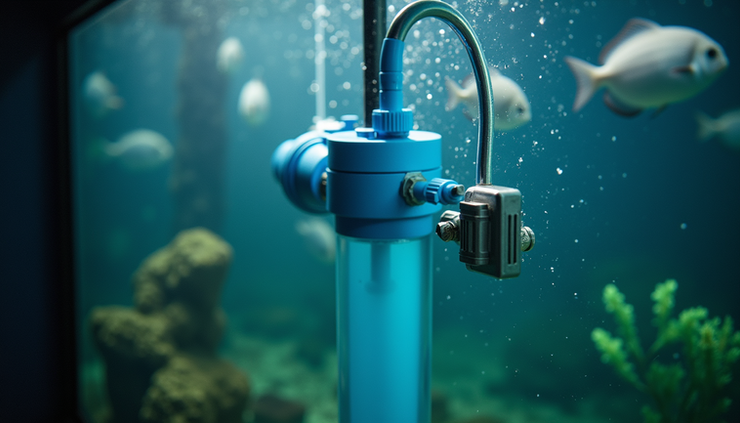
Filtration System
Choose a filter rated for your tank size. Efficient filtration keeps water clean and reduces harmful toxins.
Heating and Lighting
Most tropical fish need stable temperatures between 75°F and 80°F. Use a reliable heater with a thermostat. Lighting should support both fish and live plants, with timers to mimic natural day-night cycles.
Substrate and Decorations
Select substrates suitable for your fish species, such as sand or gravel. Add rocks, driftwood, and plants to create hiding spots and reduce stress.
Cycling the Aquarium
Cycling is the process of establishing beneficial bacteria that break down fish waste. This step is crucial before adding fish.
Why Cycle?
Without cycling, toxic ammonia and nitrite levels can spike, harming or killing fish.
How to Cycle
Add a source of ammonia, such as fish food or pure ammonia, and test water regularly. Wait until ammonia and nitrite levels drop to zero and nitrate appears. This process can take 4 to 6 weeks.
Testing Kits
Use reliable water testing kits to monitor ammonia, nitrite, nitrate, and pH levels.
Selecting Fish and Aquatic Life
Choosing the right fish depends on your tank size, water parameters, and compatibility.
Research Species
Some fish grow large or are aggressive. Avoid mixing incompatible species.
Stocking Levels
Overcrowding stresses fish and degrades water quality. A common rule is one inch of fish per gallon, but this varies by species.
Quarantine New Fish
Isolate new arrivals for 2 to 4 weeks to prevent disease introduction.
Maintenance and Care
Regular maintenance keeps your aquarium healthy and visually appealing.
Water Changes
Replace 10-20% of water weekly to remove waste and replenish minerals.
Cleaning
Clean algae from glass and decorations. Avoid harsh chemicals.
Monitor Equipment
Check filters, heaters, and lights regularly to ensure proper function.
Observe Fish Behavior
Healthy fish are active and eat well. Watch for signs of illness like lethargy or spots.


Comments