
How to Avoid Cross-Contamination Between Fish Tanks: A Comprehensive Guide
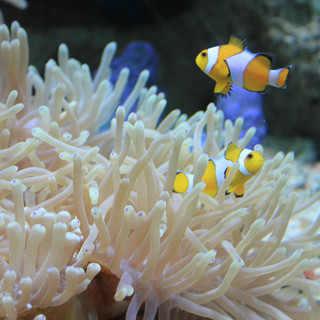
Keeping multiple fish tanks can be a rewarding experience, whether you are a hobbyist with a few tanks or a seasoned aquarist managing a collection. However, one of the biggest challenges when maintaining multiple tanks is avoiding cross-contamination. Cross-contamination occurs when harmful bacteria, parasites, or diseases transfer from one tank to another, potentially causing illness or death among your fish. In this comprehensive guide, we’ll walk you through essential steps to prevent cross-contamination between your fish tanks and ensure a healthy and thriving aquatic environment.

What is Cross-Contamination in Fish Tanks?
Cross-contamination in fish tanks refers to the unintentional transfer of harmful substances, pathogens, or diseases from one aquarium to another. It can happen through direct or indirect contact between the tanks, equipment, or water. Preventing cross-contamination is crucial because it helps maintain the health of your fish and prevents the spread of diseases such as Ich, Fin Rot, or Velvet.
Why is It Important to Prevent Cross-Contamination?
Fish Health: Cross-contamination can introduce harmful bacteria, viruses, or parasites into your tanks, leading to fish diseases or even death.
Tank Stability: Contaminated water can disrupt the biological balance of your tank, affecting the water quality and stressing your fish.
Cost and Time: Treating a disease or infection across multiple tanks can be time-consuming and costly, especially if multiple fish are affected.
Prevention of Spread: Some diseases, like those caused by external parasites or fungi, can quickly spread from tank to tank, potentially wiping out entire fish populations.
By following simple but effective guidelines, you can minimize the risk of cross-contamination and maintain a healthy, thriving aquarium environment.
Step-by-Step Guide to Avoid Cross-Contamination Between Fish Tanks
Step 1: Use Separate Equipment for Each Tank
One of the easiest ways for pathogens to spread between tanks is through shared equipment. To avoid cross-contamination, it’s important to dedicate specific equipment for each aquarium. This includes:
Fish Nets: Use different nets for each tank, or thoroughly rinse them with water (preferably disinfected) between uses.
Siphons and Hoses: If you use siphons for water changes, make sure each tank has its own set. This will prevent the transfer of harmful substances or diseases between tanks.
Buckets and Scrubbers: Keep separate cleaning tools for each tank to prevent any pathogens from transferring during routine maintenance.
Thermometers: Use a separate thermometer for each tank to ensure you don’t accidentally transfer bacteria or other contaminants.
Filters and Pumps: If you need to move filters or pumps between tanks, clean them thoroughly before switching them over.
By using dedicated equipment, you can avoid the potential for harmful transfers between your tanks.
Step 2: Isolate New Fish and Plants
Quarantining new fish and plants before introducing them to your main aquariums is crucial to avoid introducing diseases or pests. Here’s how to do it effectively:
Quarantine Tank: Set up a separate quarantine tank for any new fish or plants. This should be equipped with its own filter, heater, and lighting. Keep the quarantine period for fish around 2-4 weeks, and for plants, a few days to a week.
Monitor for Symptoms: During the quarantine period, monitor your new fish or plants for signs of illness or infection. If any issues arise, treat them before introducing the new stock to your main tanks.
Avoid Direct Contact: Never move fish or plants directly from one tank to another without quarantine. Even if the fish look healthy, they may still be carrying hidden pathogens.
Proper quarantine ensures that potential diseases or pests don’t get introduced into your established tanks, protecting the overall health of your aquariums.
Step 3: Practice Good Hygiene
Proper hygiene is key to preventing the spread of harmful pathogens between your tanks. Here are some best practices for maintaining hygiene:
Wash Hands Thoroughly: Always wash your hands with soap and water before and after handling your tanks. This minimizes the risk of transferring contaminants.
Disinfect Equipment: Regularly disinfect all equipment (nets, hoses, etc.) after use. A mild bleach solution or aquarium-safe disinfectant works well to kill harmful pathogens.
Clean Tank Surfaces: When cleaning the inside of your tanks, be sure to scrub and disinfect surfaces, such as glass, substrate, and decorations, especially if they’ve been moved between tanks.
Use Separate Towels: Use different towels for drying hands, equipment, or tank surfaces for each aquarium. This simple step reduces the chances of transferring harmful elements between tanks.
By keeping all your equipment and hands clean, you reduce the risk of cross-contamination significantly.
Step 4: Avoid Sharing Water Between Tanks
When performing water changes, never share water between tanks. Even though it may seem harmless, moving water from one aquarium to another can introduce bacteria, parasites, or even harmful chemicals. Follow these guidelines:
Never Reuse Water: When doing water changes, discard the water entirely from one tank before refilling it with fresh water. Never move water from one aquarium to another.
Keep Water Sources Separate: Use different hoses or buckets to draw water from your water source for each tank to prevent contamination.
Rinse Before Reusing: If you must use the same bucket or hose for multiple tanks, make sure it is thoroughly cleaned and disinfected before using it in a new tank.
By keeping the water sources and water changes separate for each tank, you’ll reduce the risk of contamination through water exchange.
Step 5: Monitor Water Quality Regularly
Maintaining optimal water quality in all your tanks is essential for fish health. Poor water quality can stress fish and make them more susceptible to diseases, which increases the likelihood of cross-contamination.
Regular Testing: Regularly test for ammonia, nitrites, nitrates, pH, and other key water parameters to ensure each tank remains stable and healthy.
Maintain Filtration Systems: Properly maintain each tank’s filtration system. A good filter is key to keeping harmful bacteria and pathogens in check.
By monitoring the water quality and addressing issues promptly, you can prevent the spread of waterborne diseases across your tanks.
Step 6: Be Cautious with Fish Handling
Fish can carry diseases without showing signs, which makes handling them particularly risky. Here’s what to do to minimize cross-contamination when handling your fish:
Use Separate Tools: Use different fish nets, gloves, or scoops for each tank to avoid transferring harmful organisms.
Limit Physical Contact: Try to limit handling of fish as much as possible. If you must move them, use a separate container and equipment for each tank.
Be Mindful of Stress: Stress can make fish more susceptible to disease. When moving fish between tanks, be as gentle as possible to minimize stress and injury.
Step 7: Watch for Signs of Illness
Finally, always be on the lookout for any signs of illness in your tanks. If one tank shows signs of disease, take quick action to isolate and treat affected fish immediately to prevent it from spreading to other tanks.
Preventing cross-contamination between fish tanks is essential for maintaining a healthy and thriving aquatic environment. By following these simple steps—dedicating equipment, quarantining new additions, maintaining hygiene, avoiding water transfer, and regularly monitoring your tanks—you can significantly reduce the risk of spreading diseases and ensure the well-being of your fish.
Remember, the key to success is being proactive. The more careful you are in maintaining good practices and hygiene, the better your chances of keeping your tanks disease-free. Happy fishkeeping!


Comments