
Planted Tanks Without Fish Are They Worth It Pros and Cons

Keeping a planted tank without fish is a choice some aquarium enthusiasts make. It might seem unusual at first, since fish are often the main attraction in aquariums. But planted tanks without fish offer a unique experience and come with their own set of benefits and challenges. This post explores whether a fishless planted tank is worth it by looking at the advantages and disadvantages.
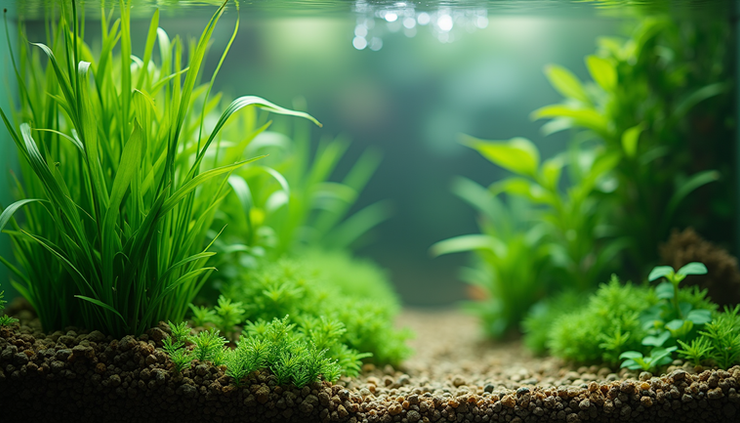
Why Choose a Planted Tank Without Fish?
Many people assume that an aquarium must have fish to be interesting. However, a planted tank without fish can be just as captivating. Some reasons people go fishless include:
Allergy or sensitivity to fish
Desire to focus on aquatic plants and their growth
Avoiding the responsibility of fish care
Creating a natural ecosystem with invertebrates or shrimp instead of fish
Using the tank as a decorative, calming green space
This approach allows hobbyists to concentrate on plant health, aquascaping, and water quality without worrying about fish behavior or feeding.
Benefits of a Fishless Planted Tank
Easier Maintenance and Water Quality Control
Fish produce waste that affects water chemistry and requires regular cleaning and filtration. Without fish, the tank’s nitrogen cycle is simpler to manage. This can lead to:
More stable water parameters
Less frequent water changes
Reduced risk of ammonia or nitrite spikes
Plants absorb nutrients from the water, helping keep it clean naturally. This balance makes the tank easier to maintain, especially for beginners.
Focus on Aquascaping and Plant Growth
A fishless tank lets you create intricate aquascapes without worrying about fish disturbing plants or substrate. You can:
Use delicate or slow-growing plants without risk of damage
Experiment with different plant species and layouts
Showcase the beauty of aquatic plants as the main feature
This can be very rewarding for those who enjoy gardening and design.
Lower Costs and Less Equipment
Without fish, you don’t need to buy fish food, medications, or specialized equipment like heaters for tropical species. This reduces the overall cost of keeping the tank. Also, you can:
Use simpler filtration systems
Avoid expensive water conditioners or supplements for fish health
This makes a planted tank more affordable and accessible.

Challenges of Keeping a Fishless Planted Tank
Balancing Nutrients Without Fish Waste
Fish waste provides natural nutrients like ammonia that plants convert into usable forms. Without fish, you must supply nutrients through fertilizers. This means:
Regular dosing of liquid or substrate fertilizers
Monitoring nutrient levels to avoid deficiencies or algae growth
Understanding plant needs for nitrogen, phosphorus, potassium, and trace elements
This requires some knowledge and commitment to keep plants healthy.
Lack of Dynamic Movement and Interest
Fish add life and movement to an aquarium. Without them, the tank can feel static or less engaging. To add interest, you might:
Include shrimp, snails, or other invertebrates that move and interact
Use flowing water or lighting effects to create visual appeal
Change aquascapes periodically to keep the display fresh
Still, some people may miss the activity fish bring.
Potential for Algae Growth
Without fish to eat algae or disturb the tank, algae can sometimes grow unchecked. To control algae, you should:
Maintain good water quality and nutrient balance
Use algae-eating invertebrates like Amano shrimp or nerite snails
Adjust lighting duration and intensity
Algae management is a key part of keeping a healthy planted tank.
Examples of Successful Fishless Planted Tanks
Shrimp tanks: Many hobbyists keep shrimp-only tanks with lush plants. Shrimp help clean algae and add movement.
Paludariums: These combine aquatic plants with land plants and sometimes amphibians, focusing on plants rather than fish.
Nature aquariums: Some aquascapers create tanks that mimic natural environments with plants and minimal animal life.
These examples show that fishless tanks can be beautiful and functional.

Final Thoughts on Fishless Planted Tanks
A planted tank without fish offers a different kind of aquarium experience. It simplifies maintenance, lowers costs, and allows a focus on plants and aquascaping. At the same time, it requires careful nutrient management and creative ways to keep the tank visually interesting.


Comments