
Top 5 Common Mistakes to Avoid in Your Planted Aquarium Setup

Setting up a planted aquarium can be a rewarding hobby, but it requires careful planning and attention to detail. Many beginners and even experienced aquarists make avoidable mistakes that can lead to poor plant growth, algae problems, or unhappy fish. Knowing these common pitfalls helps you create a thriving underwater garden that stays healthy and beautiful for years.
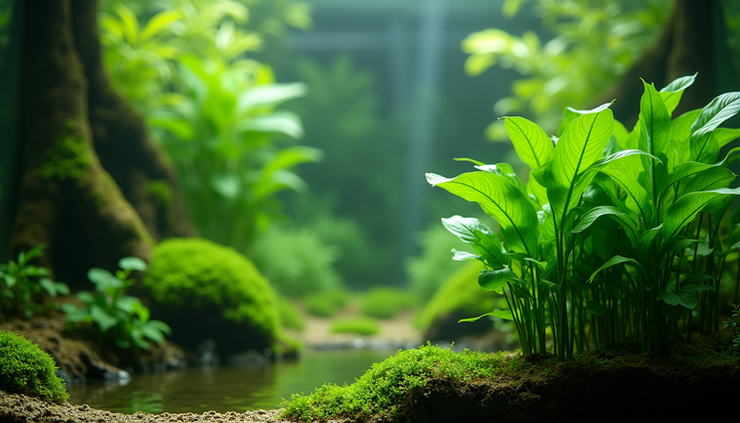
Mistake 1: Choosing the Wrong Substrate
The substrate is the foundation of your planted aquarium. Using the wrong type can stunt plant growth or cause nutrient deficiencies. Many beginners pick plain gravel or sand without considering the needs of aquatic plants.
Why it matters: Plants absorb nutrients through their roots, so the substrate must hold nutrients and allow roots to spread.
What to use: Nutrient-rich substrates like aqua soil or specially designed plant substrates provide essential minerals and promote root development.
Avoid: Plain gravel or inert sand unless supplemented with root tabs or liquid fertilizers.
For example, a tank with only regular gravel often shows slow plant growth and yellowing leaves. Switching to a nutrient-rich substrate can revive plants and encourage lush growth.
Mistake 2: Overlooking Proper Lighting
Lighting is critical for photosynthesis, but many aquarists either under-light or over-light their tanks. Both extremes cause problems.
Too little light: Plants become weak, lose color, and may die.
Too much light: Encourages algae blooms that compete with plants for nutrients.
Aim for lighting that matches your plant species’ needs. Low-light plants like Java fern require less intense light, while demanding species like carpeting plants need stronger, longer lighting periods.
Use timers to maintain consistent light cycles, typically 8 to 10 hours daily. Avoid leaving lights on overnight, which promotes algae growth.
Mistake 3: Ignoring Water Parameters
Water quality affects plant health and fish well-being. Many beginners neglect testing or adjusting water parameters such as pH, hardness, and temperature.
pH: Most aquatic plants thrive in a pH range of 6.5 to 7.5.
Hardness: Soft to moderately hard water suits most plants.
Temperature: Tropical plants prefer 72–78°F (22–26°C).
Regular water testing helps catch imbalances early. Adjust parameters gradually using safe methods like adding peat for softening water or baking soda to raise pH. Sudden changes stress plants and fish.
Mistake 4: Overfeeding Fish and Overcrowding
While this may seem unrelated to plants, fish waste directly impacts aquarium health. Overfeeding leads to excess nutrients, which feed algae and cloud water.
Feed fish only what they can consume in a few minutes.
Avoid overcrowding to reduce waste buildup.
Perform regular water changes to remove excess nutrients.
A balanced ecosystem with moderate fish stocking supports plant growth and keeps algae in check.

Mistake 5: Skipping CO2 Supplementation When Needed
Carbon dioxide is essential for photosynthesis. In high-tech planted tanks with demanding species, natural CO2 from fish respiration is not enough.
Without adequate CO2, plants grow slowly and algae can take over.
Adding CO2 through injection systems or liquid carbon supplements boosts growth.
Monitor CO2 levels carefully to avoid harming fish.
For beginners with low-light plants, CO2 supplementation may not be necessary. But for advanced setups, skipping CO2 is a common mistake that limits plant potential.
Final Thoughts on Setting Up a Successful Planted Aquarium
Avoiding these five mistakes sets you on the path to a thriving planted aquarium. Choose the right substrate, provide proper lighting, maintain stable water parameters, manage fish feeding and stocking, and consider CO2 supplementation if your plants need it. Each step supports healthy plant growth and a balanced ecosystem.
Start small, observe your tank regularly, and adjust as needed. With patience and care, your planted aquarium will become a stunning underwater world full of life and color. Take the first step today by reviewing your current setup and making improvements based on these tips.


Comments