
Top Solutions for Common Issues in Planted Aquariums

Planted aquariums bring a slice of nature indoors, offering beauty and a healthy environment for fish. Yet, many aquarium enthusiasts face challenges that can disrupt this balance. From algae overgrowth to plant decay, these problems can be frustrating. Understanding the causes and solutions helps keep your planted aquarium thriving and visually stunning.
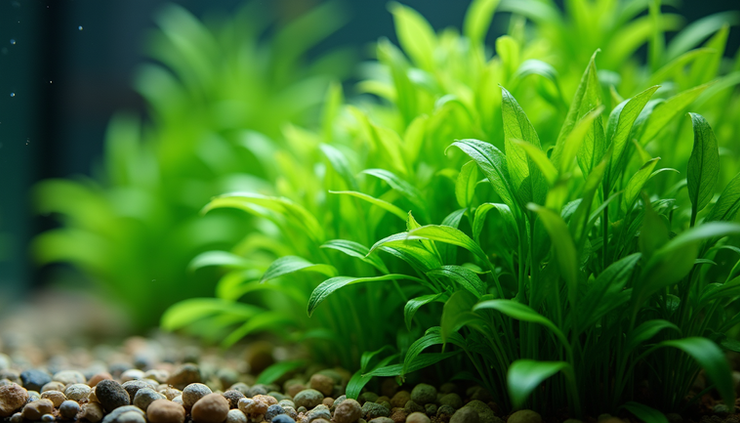
Algae Overgrowth and How to Control It
Algae is one of the most common issues in planted tanks. It competes with plants for nutrients and light, often covering leaves and decorations, which spoils the aquarium’s appearance.
Causes of Algae Growth
Excess light, especially if the tank is exposed to direct sunlight or the aquarium light is on for more than 8-10 hours daily.
High nutrient levels, particularly nitrates and phosphates.
Imbalance between CO2 and light intensity.
Solutions to Algae Problems
Adjust Lighting: Reduce the lighting period to 6-8 hours per day. Use a timer to maintain consistency.
Control Nutrients: Perform regular water changes (20-30% weekly) to reduce excess nutrients.
Add Algae-Eating Species: Snails, shrimp, or certain fish like otocinclus can help keep algae in check.
Balance CO2 Levels: If you inject CO2, ensure it matches the light intensity to prevent algae blooms.
Regular maintenance and observation are key to preventing algae from taking over your planted aquarium.
Yellowing and Dying Leaves
Yellow or decaying leaves on aquatic plants often signal nutrient deficiencies or poor water conditions.
Common Causes
Lack of essential nutrients such as iron, potassium, or nitrogen.
Poor substrate quality that does not support root growth.
Inadequate lighting or improper water parameters.
How to Fix This Issue
Use Fertilizers: Apply liquid or root fertilizers designed for aquatic plants. Iron supplements often help with yellowing leaves.
Improve Substrate: Consider nutrient-rich substrates or add root tabs near plant roots.
Check Water Parameters: Maintain stable pH (usually 6.5-7.5) and temperature suitable for your plant species.
Increase Lighting: Ensure plants receive enough light, but avoid overexposure.
Removing dead leaves promptly prevents decay from affecting healthy parts of the plant.
Melting Plants and Poor Growth
Sometimes plants suddenly start melting, where leaves become transparent and disintegrate. This is common with sensitive species or after changes in tank conditions.
Why Plants Melt
Sudden changes in water chemistry or temperature.
Transition shock when moving plants from one tank to another.
Insufficient nutrients or light.
Steps to Encourage Recovery
Stabilize Conditions: Keep water parameters steady and avoid sudden changes.
Provide Adequate Nutrition: Use a balanced fertilizer regime.
Increase CO2: Many plants grow better with supplemental CO2.
Trim Damaged Leaves: This encourages new growth and prevents decay.
Patience is important as plants may take weeks to recover fully.
Cloudy Water and Poor Clarity
Cloudy water can spoil the look of your aquarium and stress fish and plants.
Causes of Cloudiness
Bacterial bloom often occurs in new tanks or after cleaning.
Overfeeding leading to excess organic waste.
Poor filtration or insufficient water changes.
How to Clear Cloudy Water
Wait It Out: Bacterial blooms usually clear up within a few days.
Feed Sparingly: Avoid overfeeding fish to reduce waste.
Improve Filtration: Use a filter rated for your tank size and clean it regularly.
Regular Water Changes: Changing 20-30% of water weekly keeps the environment clean.
Avoid adding chemicals to clear water unless necessary, as they can harm plants and fish.
Preventing Common Problems with Routine Care
Many planted aquarium problems can be avoided with consistent care.
Best Practices
Test water regularly for pH, nitrate, phosphate, and hardness.
Maintain a stable temperature suitable for your plants and fish.
Trim plants regularly to remove dead or decaying parts.
Use quality substrate and fertilizers tailored for aquatic plants.
Monitor lighting duration and intensity carefully.
Routine observation helps catch problems early before they become severe.


Comments