
10 Common Reasons DIY Maintenance Fails for Large Aquariums

Maintaining a large aquarium can be a rewarding hobby, but it often turns into a frustrating experience for many DIY enthusiasts. Unlike smaller tanks, big aquariums require more precise care, specialized equipment, and consistent attention. When maintenance goes wrong, it can lead to poor water quality, stressed fish, and costly repairs. Understanding why DIY maintenance fails for large tanks helps hobbyists avoid common pitfalls and keep their aquatic ecosystems healthy.

1. Underestimating the Scale of the Task
Large aquariums hold hundreds of gallons of water, which means cleaning, water changes, and equipment checks take much longer than in small tanks. Many beginners underestimate the time and effort required, leading to rushed or skipped maintenance. This neglect causes waste buildup and water quality issues that harm fish and plants.
2. Inadequate Filtration Systems
Big tanks need powerful filtration systems that can handle the volume and bioload. DIY setups often use filters designed for smaller tanks or lack redundancy. Without proper filtration, toxins like ammonia and nitrites accumulate quickly, stressing aquatic life. Investing in high-capacity filters and regular filter media replacement is essential.
3. Ignoring Water Testing and Chemistry
Water parameters such as pH, hardness, ammonia, nitrite, and nitrate levels fluctuate more in large tanks due to the complex ecosystem. DIY hobbyists sometimes skip regular testing or misinterpret results. This leads to unnoticed imbalances that cause fish illness or algae blooms. Using reliable test kits and tracking changes over time helps maintain stability.
4. Overfeeding Fish
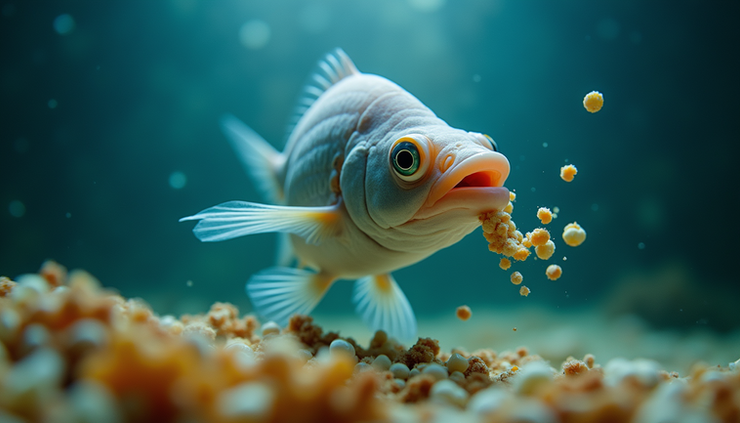
Overfeeding is a common mistake that worsens water quality. Excess food decomposes and increases waste, overwhelming filtration. In large tanks, it’s tempting to feed more because of the bigger space, but fish still require measured portions. Feeding only what fish consume in a few minutes prevents nutrient spikes and keeps the tank cleaner.
5. Neglecting Regular Water Changes
Water changes are crucial to remove accumulated toxins and replenish minerals. Large tanks require significant water volume changes, which can be physically demanding. DIYers sometimes delay or reduce water changes, thinking the tank’s size buffers problems. This misconception leads to poor water quality and unhealthy fish.
6. Using Inappropriate Equipment
Large aquariums need equipment suited to their size and species. DIY maintenance often involves using tools or accessories designed for smaller tanks, such as undersized heaters, inadequate lighting, or weak pumps. This mismatch causes temperature fluctuations, poor plant growth, and inefficient water circulation.
7. Lack of Proper Cleaning Tools
Cleaning a big tank requires specialized tools like long siphons, algae scrapers, and gravel vacuums designed for large volumes. DIYers may try to adapt small tools, making cleaning inefficient or incomplete. This results in algae buildup, debris accumulation, and uneven substrate cleaning.
8. Overlooking Aquascaping and Plant Care
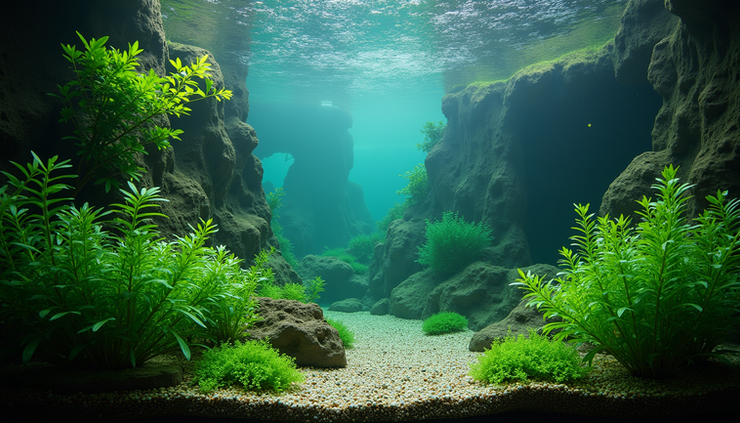
Aquascaping in large tanks is more complex and requires planning to balance aesthetics and ecosystem health. DIY maintenance often ignores plant trimming, nutrient dosing, and lighting schedules. Neglected plants can die off, releasing toxins and reducing oxygen levels, which harms fish.
9. Inconsistent Maintenance Schedule
Consistency is key for large aquarium health. DIY hobbyists sometimes maintain tanks irregularly due to busy schedules or lost motivation. Irregular care causes sudden changes in water chemistry and stress for aquatic life. Setting a fixed maintenance routine helps prevent these fluctuations.
10. Lack of Knowledge and Experience
Large aquariums require a deeper understanding of aquatic biology, chemistry, and equipment operation. DIYers new to the hobby may not realize the complexity involved. Without proper research or guidance, they make mistakes that harm the tank’s balance. Joining aquarium forums, consulting experts, or attending workshops can improve skills and confidence.


Comments