
An Introduction to Aquascaping for Aspiring Underwater Gardeners

Aquascaping transforms ordinary aquariums into stunning underwater gardens. This art form combines creativity, biology, and design to create living landscapes beneath the water’s surface. If you enjoy nature, design, or simply want a calming hobby, aquascaping offers a unique way to bring a piece of the natural world into your home.

What Is Aquascaping?
Aquascaping is the craft of arranging aquatic plants, rocks, stones, driftwood, and sometimes fish in an aquarium to create a visually pleasing underwater scene. It’s similar to gardening but underwater, focusing on balance, harmony, and natural beauty. Unlike a typical fish tank, an aquascaped tank is designed to be a living piece of art.
People approach aquascaping in many ways. Some prefer minimalist styles with simple layouts and few plants, while others create dense, jungle-like environments. The goal is to mimic natural habitats or create imaginative scenes that evoke emotion and calm.
Getting Started with Aquascaping
Starting aquascaping can feel overwhelming, but breaking it down into manageable steps helps.
Choose the Right Aquarium
The size and shape of your tank affect what you can create. Beginners often start with a 20 to 30-gallon tank because it offers enough space to experiment without being too large to manage. Rectangular tanks work well for most designs, providing a broad canvas.
Select Substrate and Hardscape Materials
Substrate is the material at the bottom of the tank, such as gravel or sand. It supports plant roots and affects water chemistry. Nutrient-rich substrates help plants grow better.
Hardscape materials include rocks, stones, and driftwood. These form the structure of your underwater garden. Popular rocks include Seiryu and Dragon stone, known for their interesting textures and shapes.
Pick Suitable Plants
Aquatic plants vary widely in size, color, and care needs. Some beginner-friendly plants include:
Java Fern: Hardy and low light
Anubias: Slow-growing, attaches to rocks or wood
Cryptocoryne: Offers variety in leaf shapes and colors
Plants need light, nutrients, and CO2 to thrive. Starting with easy plants helps build confidence.
Plan Your Layout
Think about the focal point, balance, and flow. Use the “rule of thirds” to place key elements off-center for a natural look. Arrange taller plants in the back and shorter ones in front to create depth.
Maintaining Your Underwater Garden
Aquascaping requires ongoing care to keep the ecosystem healthy and beautiful.
Lighting
Plants need light for photosynthesis. LED aquarium lights are popular because they are energy-efficient and customizable. Aim for 8 to 10 hours of light daily, adjusting based on plant type.
Water Quality
Regular water changes (about 20-30% weekly) keep the environment clean. Test water parameters like pH, hardness, and nitrate levels to ensure they stay within safe ranges for plants and fish.
Fertilization and CO2
Aquatic plants need nutrients like nitrogen, phosphorus, and potassium. Liquid fertilizers or root tabs provide these. Many aquascapers add CO2 injection systems to boost plant growth, especially in densely planted tanks.
Pruning and Cleaning
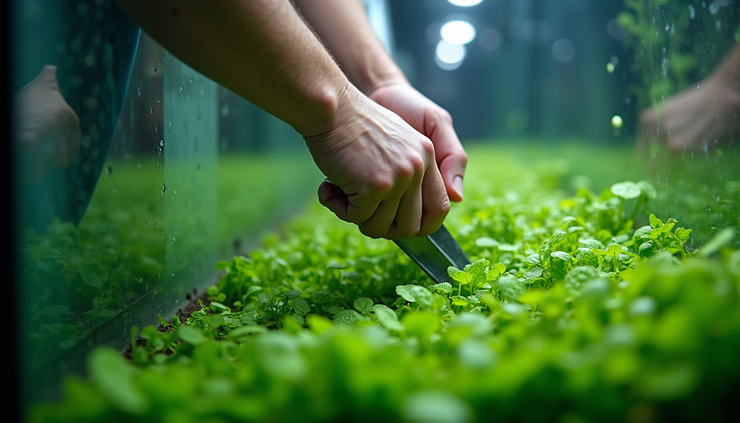
Trim plants regularly to prevent overgrowth and maintain the design. Remove algae manually or with algae-eating fish like Otocinclus catfish.
Popular Aquascaping Styles
Different styles offer unique challenges and aesthetics. Here are a few common ones:
Nature Aquarium: Inspired by natural landscapes, often using driftwood and rocks to mimic forests or mountains.
Dutch Style: Focuses on dense, colorful plant arrangements with clear rows and layers, similar to a flower garden.
Iwagumi: Minimalist style using a few carefully placed stones as the main feature, with low-growing plants.
Each style requires different plant choices and layout techniques, so exploring them helps find what suits your taste.
Tips for Success
Start small and simple to learn the basics.
Research plants and fish compatibility.
Be patient; aquascapes evolve over weeks and months.
Join online forums or local clubs for advice and inspiration.
Use quality equipment to avoid common problems like algae blooms.


Comments