
Aquarium Maintenance Tips: How to Maintain a Healthy and Beautiful Fish Tank
By Blessings Aquarium | Aquarium Care & Maintenance Guide
An aquarium adds beauty, peace, and a touch of nature to your home or office. However, keeping fish healthy and your aquarium crystal clear requires regular maintenance. Proper aquarium care helps prevent common fish diseases, maintains water quality, and creates a healthy environment for your aquatic pets.
Whether you are a beginner or an experienced fish keeper, this complete aquarium maintenance guide will help you understand how to maintain your fish tank the right way.
1. Change Aquarium Water Regularly
Regular water changes are one of the most important parts of aquarium maintenance. Fish waste, leftover food, and other organic matter can cause harmful substances to build up in the water.
Maintenance tips:
Change approximately 10–25% of the aquarium water weekly, adjusting according to tank size, stocking, and water test results.
Use a water conditioner to remove chlorine and chloramine from tap water when needed.
Make sure replacement water is close to the aquarium's existing temperature.
Never replace all the water routinely unless there is a specific emergency requiring it.
Regular partial water changes help maintain water quality and support healthy fish.
2. Clean the Aquarium Glass
Algae can grow on aquarium glass when lighting and nutrients are not properly balanced. Excessive algae can make your aquarium look dirty and reduce visibility.
How to clean aquarium glass:
Use an aquarium-safe algae scraper or cleaning pad.
Gently remove algae from the inside glass.
Use a clean cloth to wipe the outside glass.
Avoid soaps, detergents, or household cleaning chemicals near the aquarium.
A clean aquarium gives you a clearer view of your fish and improves the overall appearance of your tank.
3. Maintain Your Aquarium Filter
The aquarium filter helps remove waste and provides a home for beneficial bacteria that process toxic fish waste. A poorly maintained filter can affect water quality.
Filter maintenance tips:
Check the filter regularly to ensure adequate water flow.
Rinse reusable filter sponges or media gently in removed aquarium water when cleaning is necessary.
Avoid washing biological filter media under untreated tap water.
Do not replace all filter media at once unless necessary.
Follow the manufacturer's instructions for your filter model.
Remember, your aquarium filter is essential for maintaining a stable and healthy aquatic environment.
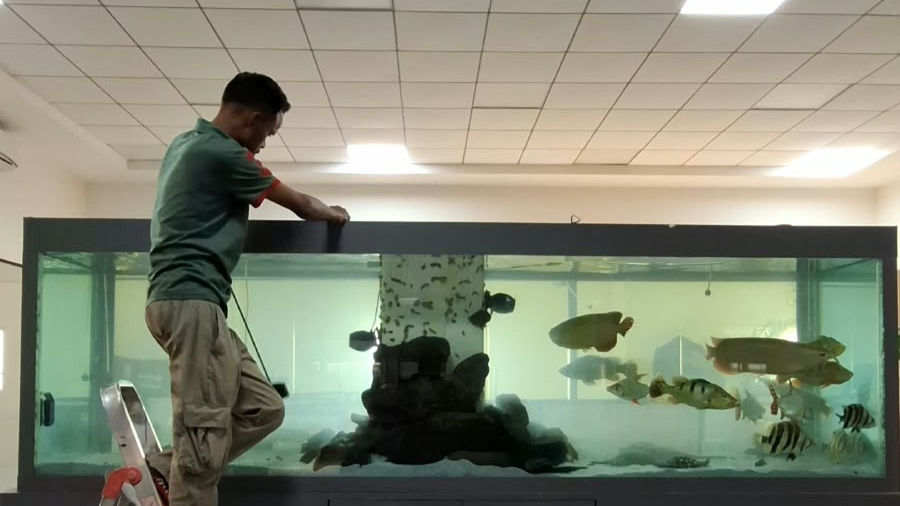
4. Feed Your Fish the Right Amount
Overfeeding is a common aquarium problem. Uneaten food breaks down in the water, increases waste, and may contribute to poor water quality.
Best feeding practices:
Feed a suitable, species-specific diet.
Offer only the amount your fish can consume within a short feeding period, as appropriate for the species.
Remove uneaten food promptly.
Avoid giving excessive food just because fish appear hungry.
A balanced diet and controlled feeding routine can help your fish stay active and healthy.
5. Test Aquarium Water Quality
Clear water does not always mean healthy water. Regular testing helps you identify problems before they seriously affect your fish.
Important water parameters include:
Ammonia: Ideally 0 ppm in an established aquarium.
Nitrite: Ideally 0 ppm.
Nitrate: Keep at a suitable low level for your fish and plants; many freshwater aquariums aim for below 20–40 ppm.
pH: Maintain a stable level appropriate for the species in your aquarium.
Temperature: Keep it within the recommended range for your fish.
Test your aquarium water regularly, especially when setting up a new tank, adding fish, or noticing unusual fish behaviour.
6. Control Aquarium Algae
A small amount of algae is normal, but excessive growth may indicate too much light, excess nutrients, or an imbalance in aquarium maintenance.
Ways to manage algae:
Keep aquarium lighting on a consistent schedule, often around 6–8 hours daily to start.
Avoid placing the aquarium in direct sunlight.
Do not overfeed your fish.
Perform regular partial water changes.
Clean algae from the glass and decorations as needed.
Algae-eating species may help in suitable aquariums, but they should only be introduced when their care requirements and tank compatibility are understood.
7. Maintain Aquarium Plants and Decorations
Live plants can improve the appearance of an aquarium and provide shelter for fish. However, dead leaves and trapped waste should be removed regularly.
Plant and decoration care:
Trim unhealthy or decaying plant leaves.
Remove accumulated debris around decorations.
Check that decorations have no sharp edges that could injure fish.
Use only aquarium-safe ornaments and substrates.
Avoid rearranging the tank unnecessarily, especially if it stresses the fish.
A clean, well-organised aquarium creates a more comfortable environment for aquatic life.
8. Monitor Fish Health Every Day
Daily observation helps you identify health issues early.
Watch for warning signs such as:
Loss of appetite.
Unusual swimming or hiding.
Clamped fins or visible injuries.
Rapid breathing.
White spots, unusual growths, or abnormal body appearance.
If you notice these symptoms, check the water parameters first and seek appropriate aquatic veterinary or specialist advice. Avoid adding medications without identifying the likely problem.
9. Follow a Simple Aquarium Maintenance Schedule
A consistent routine makes aquarium care easier and helps prevent major problems.
Daily
Check fish behaviour and appetite.
Check temperature and filter operation.
Remove uneaten food.
Weekly
Test water parameters as appropriate.
Perform a partial water change.
Clean aquarium glass.
Remove debris and dead plant material.
Monthly or as needed
Inspect filter components and tubing.
Check equipment for wear or reduced performance.
Review algae growth and the aquarium's overall condition.
The exact schedule depends on aquarium size, fish species, stocking levels, and filtration.
10. Common Aquarium Maintenance Mistakes to Avoid
Many aquarium problems can be prevented by avoiding these mistakes:
Changing all aquarium water unnecessarily.
Overfeeding fish.
Cleaning biological filter media too aggressively.
Adding too many fish too quickly.
Ignoring ammonia and nitrite levels.
Using soap or household chemicals near aquarium equipment.
Making sudden changes to water temperature or pH.
Keeping incompatible fish together.
Good aquarium maintenance is about stability, consistency, and understanding the needs of your fish.
Professional Aquarium Maintenance Services
Maintaining an aquarium can be challenging when you have a busy schedule or a large, complex fish tank. Professional aquarium maintenance can help you keep your aquarium clean, your equipment functioning properly, and your water quality under control.
Blessings Aquarium can be contacted for aquarium care and maintenance enquiries, including:
Aquarium cleaning and maintenance.
Water changes and water-quality checks.
Filter and equipment maintenance.
Algae removal and glass cleaning.
General aquarium care guidance.
Service availability and the exact work provided should be confirmed when booking.
Frequently Asked Questions (FAQs)
How often should I clean my aquarium?
Many established freshwater aquariums benefit from weekly partial water changes and regular glass cleaning. The ideal schedule depends on the tank's size, stocking, filtration, and water-test results.
How can I keep aquarium water clear?
Avoid overfeeding, maintain adequate filtration, remove waste, perform regular partial water changes, and monitor water quality. Cloudy water may have several causes, so identify the cause rather than relying only on cleaning.
Can I change all the aquarium water at once?
Routine full water changes are generally unnecessary and can cause sudden environmental changes. Partial water changes are usually safer. Emergency situations may require a different approach based on water testing and fish condition.
Why is my aquarium water turning green?
Green water is often caused by suspended algae, which can grow due to excess light and nutrients. Adjust lighting, review feeding, and maintain appropriate filtration and water changes.
When should I contact an aquarium maintenance professional?
Consider professional help if you have persistent water-quality problems, recurring algae, equipment issues, a large aquarium, or limited time for routine care.
Conclusion
A healthy aquarium starts with regular maintenance, good filtration, proper feeding, stable water conditions, and daily observation. By following these aquarium maintenance tips, you can help your fish thrive and keep your tank looking beautiful.
Need help maintaining your aquarium? Contact Blessings Aquarium to enquire about aquarium maintenance and fish tank care.
Blessings Aquarium — Helping you enjoy a cleaner, healthier, and more beautiful aquatic environment.


Comments