
Avoid These Common Mistakes When Buying Exotic Aquarium Fish

Buying exotic aquarium fish can be an exciting experience. Their vibrant colors and unique behaviors add life to any tank. Yet, many enthusiasts make avoidable mistakes that lead to stress for the fish and disappointment for the owner. Understanding these pitfalls helps create a healthy environment and ensures your new aquatic pets thrive.
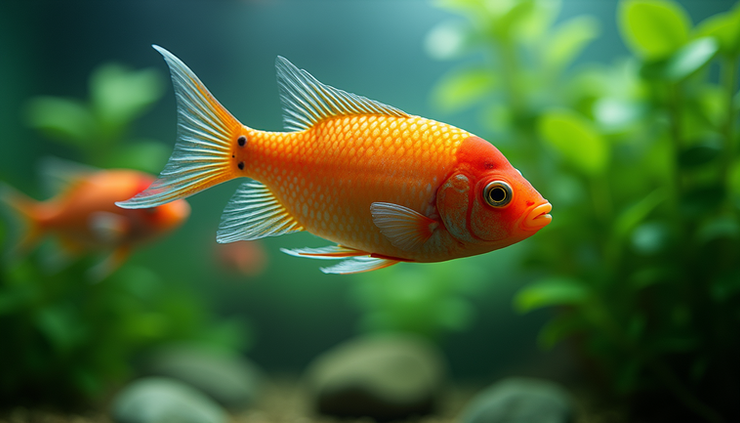
Not Researching the Species Properly
One of the biggest errors is rushing into a purchase without knowing the fish’s specific needs. Exotic fish vary widely in their requirements for water temperature, pH, tank size, and diet. For example, Discus fish need warm, soft water and a large tank, while African cichlids prefer harder, alkaline water and more space to establish territories.
Failing to match the fish to your tank conditions can cause illness or death. Before buying, check:
Ideal water temperature and pH range
Tank size recommendations
Compatibility with other fish
Feeding habits and diet
This research prevents surprises and helps you prepare the right environment.
Ignoring Quarantine Procedures
Skipping quarantine is a common mistake that risks introducing diseases to your established aquarium. Exotic fish often carry parasites or infections that are not immediately visible. Quarantining new arrivals for at least two weeks in a separate tank allows you to monitor their health and treat any issues before mixing them with other fish.
Quarantine tanks should have:
Stable water conditions matching the main tank
Proper filtration and aeration
Easy access for observation and treatment
Taking this step protects your entire aquatic community.

Overlooking Compatibility with Existing Fish
Adding exotic fish without considering their temperament and compatibility can lead to aggression and stress. Some species are territorial or aggressive, while others are shy and peaceful. For instance, certain types of pufferfish may nip fins, which can harm delicate species like angelfish.
Check compatibility by:
Researching temperament of each species
Avoiding mixing aggressive and peaceful fish
Considering size differences to prevent bullying
A harmonious tank reduces stress and promotes natural behavior.
Buying from Unreliable Sources
Purchasing exotic fish from untrustworthy sellers often results in unhealthy or poorly cared-for fish. Fish from reputable stores or breeders are more likely to be healthy and properly handled. Avoid impulse buys at markets or online sellers without reviews.
Look for sellers who:
Provide clear information about the fish’s origin and care
Maintain clean tanks with healthy fish
Offer a return or health guarantee
This ensures you get a strong, vibrant fish ready for your aquarium.

Underestimating the Cost and Commitment
Exotic fish often require specialized care, which can be costly and time-consuming. Beyond the initial purchase, consider expenses for:
Proper tank setup and maintenance
Quality food suited to the species
Water testing kits and treatments
Potential veterinary care
Some exotic fish live for many years and need consistent care. Be sure you are ready for the long-term commitment before buying.
Not Preparing the Tank in Advance
Bringing home exotic fish without a fully prepared tank causes unnecessary stress. The tank should be cycled and stable before introducing new fish. Cycling establishes beneficial bacteria that break down harmful waste products.
Signs your tank is ready include:
Stable ammonia, nitrite, and nitrate levels
Proper temperature and pH
Established plants and hiding spots
Setting up the tank weeks ahead gives your fish the best chance to thrive.


Comments