
Choosing the Ideal Filtration System for Your Custom Fish Tank

Creating a custom fish tank is a rewarding project that brings a slice of aquatic life into your home. But a beautiful tank needs more than just eye-catching decorations and vibrant fish. The heart of a healthy aquarium lies in its filtration system. Without proper filtration, water quality deteriorates quickly, harming your fish and plants. This guide explores the best filtration options for custom fish tanks, helping you choose a system that keeps your aquatic environment clean, clear, and thriving.

Why Filtration Matters in Custom Fish Tanks
Filtration removes waste, toxins, and debris from the water, maintaining a stable environment for fish and plants. In a custom tank, where size, shape, and inhabitants vary widely, choosing the right filtration system is crucial. Poor filtration can lead to cloudy water, algae blooms, and unhealthy fish.
A good filtration system performs three main functions:
Mechanical filtration: Removes solid particles like uneaten food and fish waste.
Biological filtration: Supports beneficial bacteria that break down harmful ammonia and nitrites.
Chemical filtration: Uses activated carbon or other media to remove odors, discoloration, and toxins.
Understanding these functions helps you decide which system fits your tank’s needs.
Types of Filtration Systems for Custom Fish Tanks
Hang-On-Back (HOB) Filters
HOB filters are popular for small to medium tanks. They hang on the back of the aquarium and pull water through a filter cartridge.
Advantages:
Easy to install and maintain
Affordable and widely available
Provides mechanical, biological, and chemical filtration
Limitations:
May not be powerful enough for large or heavily stocked tanks
Can be noisy compared to other systems
HOB filters work well for custom tanks up to 40 gallons, especially if you want a simple, space-saving option.
Canister Filters
Canister filters sit outside the tank and pump water through multiple filter media inside a sealed container.
Advantages:
Excellent for large or heavily stocked tanks
Customizable media options for specific filtration needs
Quiet operation and strong flow rates
Limitations:
Higher initial cost
More complex installation and maintenance
For custom tanks with unique shapes or large volumes, canister filters offer flexibility and superior filtration performance.
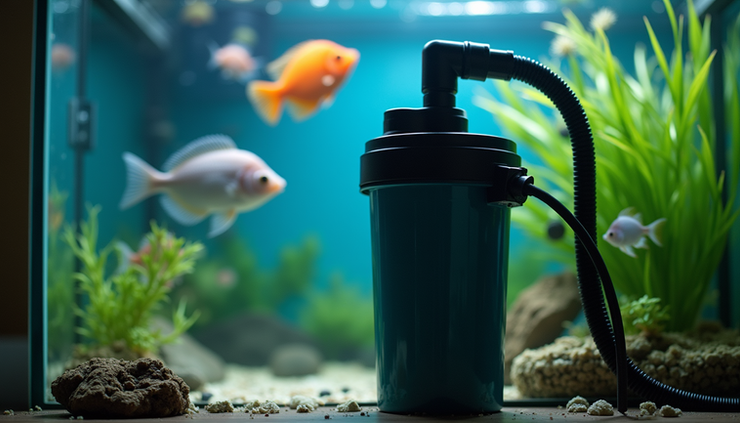
Sponge Filters
Sponge filters use an air pump to draw water through a sponge, providing gentle mechanical and biological filtration.
Advantages:
Affordable and easy to maintain
Ideal for small tanks or breeding setups
Gentle water flow suitable for delicate fish and fry
Limitations:
Limited chemical filtration
Not suitable for large or heavily stocked tanks
Sponge filters are perfect for small custom tanks or tanks with sensitive species that require low water flow.
Undergravel Filters
These filters pull water down through the gravel substrate, using it as a biological filter.
Advantages:
Hidden filtration system that doesn’t take up tank space
Supports beneficial bacteria growth
Limitations:
Can be difficult to clean
Less effective mechanical filtration
Not recommended for tanks with live plants or delicate substrates
Undergravel filters suit custom tanks where aesthetics are a priority, but they require careful maintenance.
Matching Filtration to Your Custom Tank’s Needs
When selecting a filtration system, consider these factors:
Tank size and shape: Larger tanks need more powerful filters. Odd shapes may require flexible tubing or external filters.
Fish species and stocking density: Heavily stocked tanks produce more waste and need stronger filtration.
Aquascape and plants: Live plants may prefer gentle water flow and specific filter types.
Maintenance preferences: Some filters require frequent cleaning, others less so.
For example, a 75-gallon custom tank with active fish like cichlids benefits from a canister filter with customizable media. A 20-gallon planted tank with small fish might do well with a quiet HOB filter or sponge filter.
Tips for Maintaining Your Filtration System
Clean mechanical filter media regularly to prevent clogging.
Replace chemical media like activated carbon every 4-6 weeks.
Avoid over-cleaning biological media to preserve beneficial bacteria.
Monitor water parameters to ensure filtration effectiveness.
Adjust flow rates if fish show signs of stress.
Regular maintenance keeps your filtration system working efficiently and your tank healthy.

Final Thoughts on Filtration for Custom Fish Tanks
Choosing the right filtration system is key to a thriving custom fish tank. Consider your tank’s size, inhabitants, and your maintenance routine when selecting a filter. Canister filters offer power and flexibility for large tanks, while HOB and sponge filters provide simple, effective solutions for smaller setups. Proper maintenance ensures your system runs smoothly and your aquatic life stays healthy.


Comments