
Creating a Low-Tech Planted Aquarium Setup Without CO2: A Beginner's Guide

Setting up a planted aquarium can seem intimidating, especially when you think about the need for CO2 injection systems and complex equipment. But you don’t have to invest in expensive gear to enjoy a thriving aquatic garden. A low-tech planted aquarium without CO2 offers a simpler, more affordable way to grow healthy plants and create a beautiful underwater landscape. This guide walks you through the essentials of building and maintaining a low-tech planted aquarium that doesn’t rely on CO2 supplementation.

Choosing the Right Aquarium and Location
Start with a tank size that fits your space and budget. A 10 to 20-gallon aquarium is ideal for beginners because it’s easier to manage water parameters and maintain stability. Larger tanks tend to be more stable but require more effort and resources.
Place your aquarium away from direct sunlight to prevent algae growth. Choose a spot with easy access to power outlets for lighting and filtration. Avoid locations near heaters or air conditioners to maintain consistent water temperature.
Selecting Suitable Plants for Low-Tech Setup
Without CO2 injection, plant choices become crucial. Opt for species that thrive in low-light and low-nutrient conditions. Some beginner-friendly plants include:
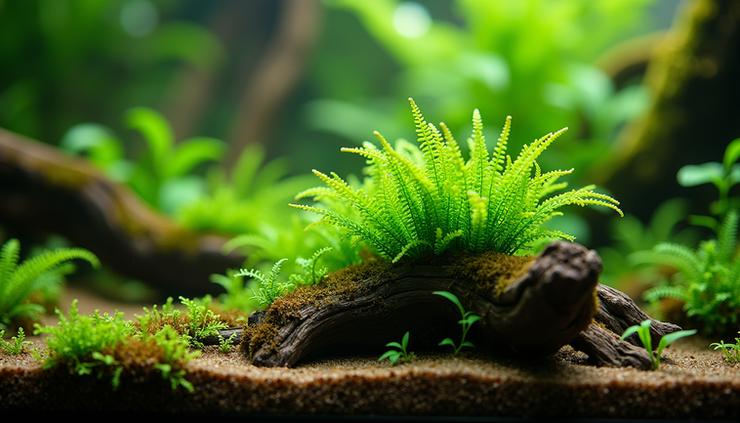
Java Fern (Microsorum pteropus): Hardy and adaptable, it attaches to rocks or driftwood.
Anubias: Slow-growing with broad leaves, perfect for shaded areas.
Cryptocoryne: Offers a variety of leaf shapes and colors, tolerates low light.
Amazon Sword (Echinodorus amazonicus): A larger plant that grows well without CO2.
Java Moss: Great for creating natural textures and hiding spots.
These plants grow slowly but steadily, making them perfect for a low-tech environment.
Using the Right Substrate and Fertilizers
A nutrient-rich substrate supports healthy root growth. Look for substrates designed for planted tanks, such as laterite or aqua soil. These provide essential minerals and nutrients that plants need.
If you use inert substrates like sand or gravel, supplement with root tabs placed near plant roots. Root tabs slowly release nutrients and help plants thrive.
Liquid fertilizers can also support plant growth. Choose a balanced fertilizer formulated for aquariums and dose it according to the manufacturer’s instructions. Avoid over-fertilizing, which can lead to algae problems.
Lighting for Low-Tech Aquariums
Lighting is one of the most important factors for plant growth. For low-tech setups, moderate lighting is best. Aim for 6 to 8 hours of light daily using LED or fluorescent aquarium lights designed for plant growth.
Avoid intense lighting that encourages algae blooms. Instead, use a timer to maintain a consistent light schedule. If you notice algae starting to grow, reduce the lighting duration or intensity.
Filtration and Water Movement
A gentle filter helps keep water clean and provides oxygen for fish and plants. Sponge filters or hang-on-back filters with adjustable flow work well in low-tech tanks.
Avoid strong currents that can disturb plants or uproot them. Aim for gentle water movement that circulates nutrients and prevents dead spots.
Maintaining Water Quality Without CO2
Regular water changes are essential to keep the aquarium healthy. Change 20-30% of the water weekly to remove excess nutrients and waste.
Test water parameters regularly, focusing on ammonia, nitrite, nitrate, and pH. Most low-tech plants tolerate a pH between 6.5 and 7.5. Stable water conditions reduce stress on plants and fish.
Managing Algae in a Low-Tech Aquarium
Algae can be a common challenge without CO2 control. Prevent algae by:
Avoiding overfeeding fish
Maintaining a balanced light schedule
Using live plants to outcompete algae for nutrients
Adding algae-eating fish or invertebrates like Amano shrimp or nerite snails
If algae appear, manually remove it during water changes and adjust lighting or fertilization as needed.
Adding Fish and Invertebrates
Choose fish and invertebrates that thrive in planted tanks and low-tech conditions. Some good options include:
Tetras: Small, peaceful schooling fish that add color.
Guppies: Hardy and easy to care for.
Corydoras Catfish: Bottom dwellers that help clean substrate.
Amano Shrimp: Excellent algae eaters.
Nerite Snails: Control algae without harming plants.
Avoid fish that uproot plants or require high water flow.
Regular Maintenance Tips
Keep your aquarium healthy with simple weekly tasks:
Check water parameters and adjust as needed.
Perform partial water changes.
Trim dead or overgrown plant leaves.
Clean the filter media gently in tank water.
Remove visible algae manually.
Consistency is key to success in low-tech planted aquariums.


Comments