
Effective Natural Methods to Eliminate Algae in Your Aquarium

Algae growth in aquariums can quickly turn a beautiful underwater world into a green, murky mess. While algae are a natural part of aquatic ecosystems, excessive growth can harm fish, plants, and the overall balance of your tank. Instead of relying on chemicals or harsh treatments, many aquarium enthusiasts prefer natural methods to control and remove algae. These approaches protect your aquatic life and maintain a healthy environment. This post explores practical, natural ways to keep algae under control and enjoy a clear, vibrant aquarium.

Understand Why Algae Grow
Algae thrive when conditions favor their growth. Common causes include:
Excess light exposure, especially direct sunlight or prolonged artificial lighting
High nutrient levels, particularly nitrates and phosphates from fish waste or overfeeding
Poor water circulation and filtration
Knowing these factors helps you adjust your aquarium setup to discourage algae growth naturally.
Control Light Exposure
Light is essential for plants but also fuels algae. To reduce algae growth:
Limit aquarium lighting to 8-10 hours per day
Use a timer to maintain consistent light cycles
Avoid placing the tank near windows with direct sunlight
Choose LED lights with adjustable intensity to avoid over-illumination
By controlling light, you reduce the energy algae need to multiply.
Maintain Proper Water Quality
Regular water changes and good filtration keep nutrient levels low, starving algae of their food source. Follow these tips:
Change 10-20% of the water weekly to remove excess nutrients
Use a quality filter suitable for your tank size and bioload
Avoid overfeeding fish; feed only what they consume in 2-3 minutes
Vacuum substrate to remove uneaten food and waste
Clean water discourages algae and supports healthy fish and plants.
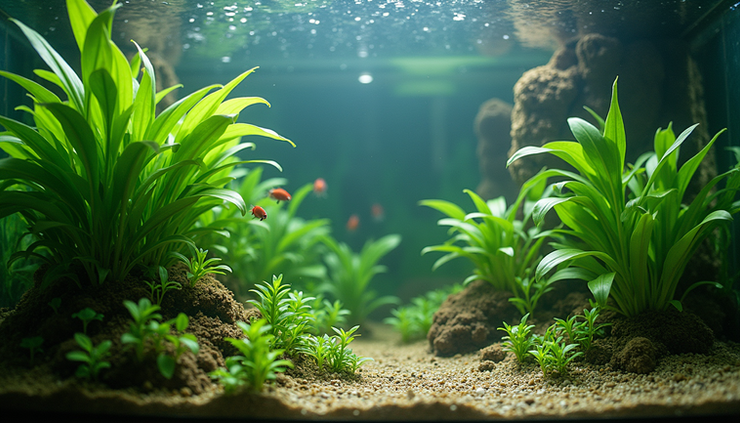
Introduce Algae-Eating Species
Certain fish and invertebrates naturally consume algae, helping keep it in check. Consider adding:
Siamese algae eaters, which consume various algae types
Otocinclus catfish, gentle algae grazers for planted tanks
Amano shrimp, effective at eating soft algae and detritus
Nerite snails, known for cleaning algae off glass and decorations
These species work as natural cleaners, reducing algae without chemicals.
Use Live Plants to Compete with Algae
Healthy aquatic plants absorb nutrients that algae need, limiting their growth. Fast-growing plants are especially effective. Examples include:
Hornwort
Water sprite
Anacharis
Duckweed
Planting densely creates competition for nutrients and light, making it harder for algae to take over.
Manual Removal Techniques
Sometimes, natural methods need a boost with physical cleaning:
Scrape algae off glass with an algae scraper or magnetic cleaner
Remove algae-covered decorations and scrub them in tank water
Prune affected plant leaves to prevent spread
Regular manual removal keeps algae from building up and spreading.

Monitor and Adjust Regularly
Algae control is an ongoing process. Keep an eye on your tank’s conditions:
Test water parameters weekly for nitrates and phosphates
Adjust feeding and lighting based on algae presence
Observe algae-eating species to ensure they are healthy and active
Small adjustments prevent algae from becoming a problem again.


Comments