
Effective Strategies to Control Green Water in Your Aquarium

Green water in an aquarium can quickly turn a beautiful aquatic display into a murky mess. This common problem occurs when microscopic algae bloom, clouding the water and affecting the health of fish and plants. If you’ve noticed your aquarium water turning green, you’re not alone. Many aquarium enthusiasts face this challenge, but the good news is that green water is manageable with the right approach. This post explores practical strategies to control green water and keep your aquarium clear and healthy.
What Causes Green Water in Aquariums?
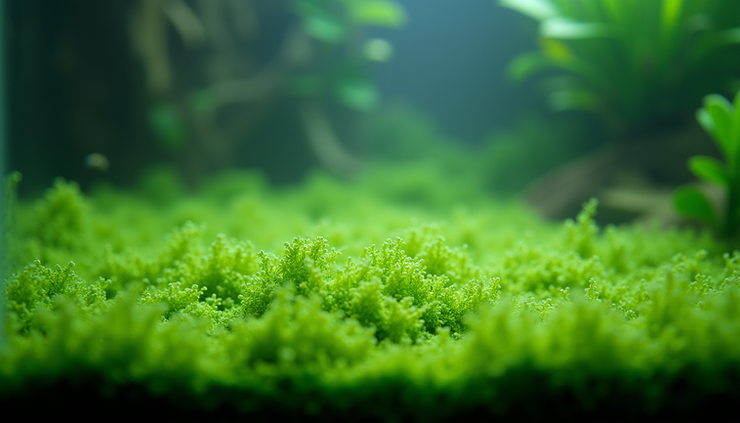
Green water results from an overgrowth of free-floating algae, often triggered by excess nutrients and light. These tiny algae cells multiply rapidly, turning the water a bright green color. Key factors that contribute to green water include:
Excess light exposure: Too much direct sunlight or prolonged artificial lighting encourages algae growth.
High nutrient levels: Overfeeding fish or decaying organic matter releases nutrients like nitrates and phosphates.
Poor water circulation: Stagnant water allows algae to settle and multiply.
Infrequent water changes: Waste buildup creates a nutrient-rich environment for algae.
Understanding these causes helps in applying targeted solutions to control green water effectively.
Adjust Lighting to Limit Algae Growth
Light is essential for aquarium plants and fish, but too much can fuel algae blooms. Here’s how to manage lighting:
Reduce the duration of light exposure to 6-8 hours per day.
Avoid placing the aquarium near windows where sunlight can shine directly.
Use timers to maintain consistent lighting schedules.
Choose LED lights with adjustable intensity to control brightness.
By controlling light, you limit the energy algae need to grow, helping keep the water clear.
Maintain Proper Feeding and Nutrient Balance
Overfeeding fish is a common cause of excess nutrients in the water. Uneaten food decomposes and releases nitrates and phosphates, which algae thrive on. To prevent this:
Feed fish only what they can consume in 2-3 minutes.
Remove any leftover food promptly.
Use high-quality fish food with balanced nutrition.
Consider adding live plants that absorb excess nutrients.
Regularly testing water parameters for nitrates and phosphates can help you monitor nutrient levels and adjust feeding habits accordingly.

Improve Filtration and Water Circulation
Good filtration removes waste and excess nutrients, while water circulation prevents algae from settling. To enhance filtration:
Use a filter rated for your aquarium size.
Clean or replace filter media regularly.
Consider adding a UV sterilizer, which kills free-floating algae cells.
Use powerheads or air stones to increase water movement.
Improved filtration and circulation reduce the conditions algae need to bloom, keeping your aquarium water clearer.
Perform Regular Water Changes
Water changes dilute nutrients and remove algae spores. A consistent schedule helps maintain water quality:
Change 10-20% of the water weekly.
Use a gravel vacuum to remove debris from the substrate.
Treat tap water with a dechlorinator before adding it to the tank.
Monitor water parameters before and after changes.
Regular water changes are one of the simplest and most effective ways to control green water.
Introduce Algae-Eating Fish or Invertebrates
Certain fish and invertebrates consume algae and can help control green water naturally. Some popular options include:
Siamese algae eaters
Otocinclus catfish
Amano shrimp
Nerite snails
These species can reduce algae levels, but they should be compatible with your existing fish and tank conditions.
Use Chemical Treatments with Caution
Algaecides and water clarifiers can clear green water quickly but should be used sparingly. Overuse can harm fish and plants. If you choose chemical treatments:
Follow the manufacturer’s instructions carefully.
Use products designed specifically for freshwater aquariums.
Combine treatments with other control methods for lasting results.
Chemical treatments are best as a last resort or for severe algae outbreaks.


Comments