
Effective Strategies to Prevent Algae Growth in Your Planted Aquarium

Algae growth in planted aquariums can quickly turn a beautiful underwater garden into a green mess. It competes with your plants for nutrients, blocks light, and can harm the overall health of your aquatic environment. Preventing algae is a common challenge for aquarium enthusiasts, but with the right approach, you can keep your tank clean and thriving. This post explores practical strategies to control and prevent algae growth, helping you maintain a healthy planted aquarium.
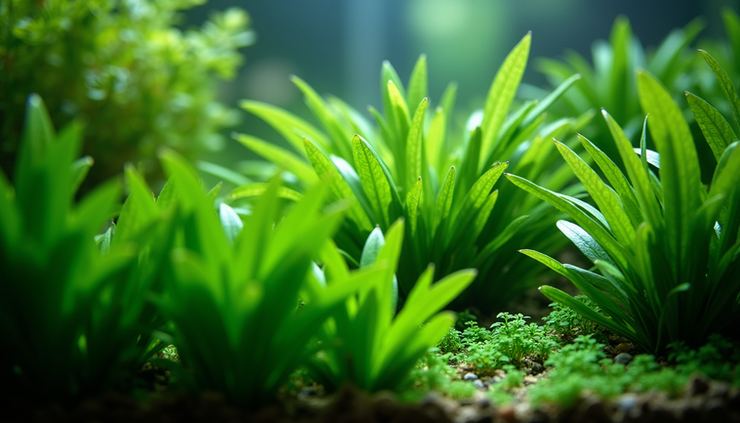
Understand What Causes Algae Growth
Algae thrive when certain conditions are met. Knowing these factors helps you target prevention effectively:
Excess light: Too much light or light that stays on for too long encourages algae to multiply.
Nutrient imbalance: High levels of nitrates and phosphates from fish waste or overfeeding fuel algae growth.
Poor water circulation: Stagnant water allows algae to settle and spread.
Lack of competition: When plants are weak or sparse, algae take advantage of the available space and nutrients.
By addressing these causes, you can create an environment where plants flourish and algae struggle.
Control Lighting to Limit Algae
Lighting is essential for plant growth but also a key driver of algae. Follow these tips to balance light:
Use a timer to provide 8 to 10 hours of light daily. Avoid leaving lights on overnight.
Choose aquarium lights designed for planted tanks, which provide the right spectrum for plants but limit algae stimulation.
Position the tank away from direct sunlight, which can cause unpredictable light spikes.
If algae appear, reduce light intensity or duration gradually to see if it helps.
Adjusting lighting is often the first and easiest step to control algae.
Maintain Proper Nutrient Balance
Nutrients are vital for plants but can feed algae if unbalanced. Here’s how to manage nutrients:
Avoid overfeeding fish. Excess food decomposes and raises nitrate and phosphate levels.
Perform regular water changes (about 20-30% weekly) to remove excess nutrients.
Use a quality aquarium test kit to monitor nitrate and phosphate levels. Keep nitrates below 20 ppm and phosphates under 0.5 ppm.
Fertilize plants appropriately. Use root tabs or liquid fertilizers designed for planted tanks, but do not overdose.
Consider adding fast-growing plants like hornwort or water sprite. They absorb nutrients quickly, leaving less for algae.
Balancing nutrients supports plant health and starves algae.
Improve Water Circulation and Filtration
Good water movement prevents algae buildup by distributing nutrients and oxygen evenly:
Use a filter suitable for your tank size to keep water clean and clear.
Add a circulation pump or powerhead if necessary to eliminate dead spots.
Clean the filter regularly to maintain efficiency.
Avoid overcrowding the tank, which can reduce water flow and increase waste.
Healthy water circulation supports plants and limits algae growth.
Introduce Algae-Eating Species
Certain fish and invertebrates naturally consume algae, helping keep it under control:
Otocinclus catfish: Small, peaceful algae eaters ideal for planted tanks.
Amano shrimp: Effective at eating various algae types without harming plants.
Nerite snails: Known for cleaning algae off glass and decorations.
Siamese algae eaters: Larger fish that consume tougher algae.
Before adding any species, research their compatibility with your tank inhabitants and conditions.
Regular Maintenance and Cleaning
Routine care is essential to prevent algae from taking hold:
Remove visible algae manually using an algae scraper or brush.
Trim dead or decaying plant leaves to reduce nutrient buildup.
Vacuum the substrate during water changes to remove debris.
Clean aquarium glass regularly to maintain clear viewing.
Consistent maintenance keeps your aquarium balanced and attractive.


Comments