
Effective Strategies to Reduce Stress in Your Aquarium Fish

Stress in aquarium fish can lead to health problems, reduced lifespan, and even death. Fish are sensitive creatures that respond to changes in their environment, water quality, and social interactions. Understanding how to reduce stress is essential for any fish keeper who wants to maintain a healthy and vibrant aquarium. This post explores practical ways to create a calm and supportive environment for your aquatic pets.

Recognize the Signs of Stress in Fish
Before reducing stress, you need to identify it. Fish show stress through behavior and physical changes. Common signs include:
Erratic swimming such as darting or rubbing against objects
Loss of appetite or refusal to eat
Faded colors or dull appearance
Clamped fins held close to the body
Hiding excessively or staying at the surface or bottom
Noticing these signs early helps you act quickly to improve conditions.
Maintain Optimal Water Quality
Water quality is the most critical factor in fish health. Poor water conditions cause stress and disease. Follow these steps:
Test water regularly for ammonia, nitrite, nitrate, pH, and temperature using reliable kits.
Perform partial water changes weekly, replacing 10-20% of the water to remove toxins.
Use a good filtration system that suits your tank size and fish species.
Avoid sudden changes in water parameters, as fish need time to adjust.
For example, tropical fish usually thrive between 74°F and 80°F with a stable pH around 6.5 to 7.5. Keeping these parameters steady reduces stress significantly.
Provide Proper Tank Size and Environment
Crowding fish or keeping them in too small a tank increases stress. Each species has specific space needs. Overcrowding leads to aggression and competition for resources.
Research the adult size of your fish and provide at least one gallon of water per inch of fish length.
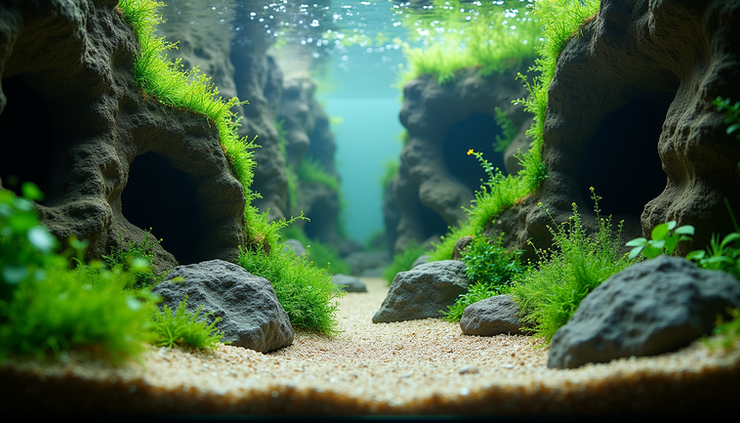
Decorate the tank with plants, rocks, and hiding spots to mimic natural habitats.
Use substrate and decorations that are safe and non-toxic.
Ensure the tank has a lid to prevent fish from jumping out and to reduce noise disturbances.
For example, cichlids need territories and hiding places to feel secure, while schooling fish like tetras prefer open swimming space.
Manage Lighting and Noise Levels
Fish are sensitive to light and sound. Bright or flashing lights can cause stress, as can loud noises or vibrations near the tank.
Use a timer to provide a consistent day-night cycle, usually 8-12 hours of light daily.
Avoid placing the aquarium near speakers, heavy foot traffic, or appliances that create vibrations.
Dim the lights during feeding or when fish show signs of stress.
Natural light cycles help regulate fish behavior and reduce anxiety.
Feed a Balanced and Appropriate Diet
Nutrition affects fish health and stress resistance. Feeding the wrong food or overfeeding can cause digestive issues and water pollution.
Offer species-specific diets, such as flakes, pellets, frozen, or live food.
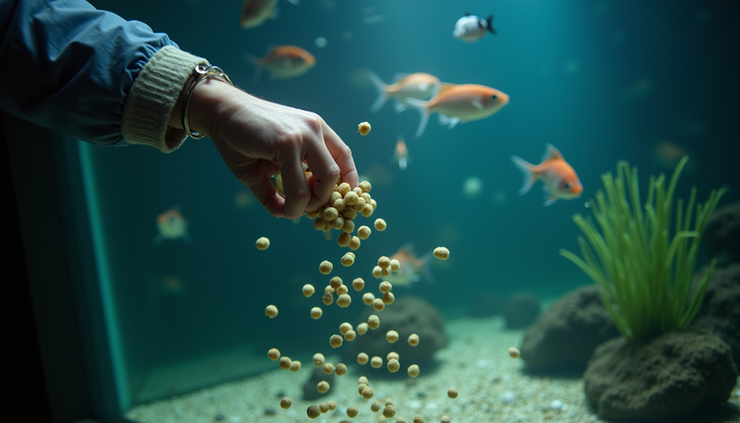
Feed small amounts 1-2 times daily, only what fish can consume in a few minutes.
Remove uneaten food promptly to prevent water contamination.
Occasionally supplement with vitamins or fresh vegetables if suitable.
Healthy fish with good nutrition cope better with environmental changes.
Monitor Fish Compatibility and Social Behavior
Some fish species are territorial or aggressive, which causes stress in community tanks.
Research fish compatibility before adding new species.
Avoid mixing aggressive fish with peaceful ones.
Keep schooling fish in groups of at least six to reduce anxiety.
Separate fish that show persistent bullying or stress signs.
Proper social grouping helps fish feel safe and reduces conflict.
Regular Tank Maintenance and Observation
Routine care keeps the aquarium environment stable and stress-free.
Clean the tank glass, substrate, and decorations regularly.
Check equipment like filters, heaters, and air pumps for proper function.
Observe fish daily for changes in behavior or appearance.
Quarantine new fish before introducing them to the main tank to prevent disease spread.
Consistent maintenance prevents many stress-related problems.


Comments