
Essential Guide to Aquarium Lids and Covers: Types and Advantages Explained

Aquariums bring a slice of underwater life into our homes, offering a peaceful and beautiful environment. Yet, many aquarium owners overlook one crucial accessory: the lid or cover. Choosing the right aquarium lid can protect your aquatic pets, maintain water quality, and improve the overall tank experience. This guide explains the benefits of aquarium lids and covers and explores the different types available to help you make an informed decision.
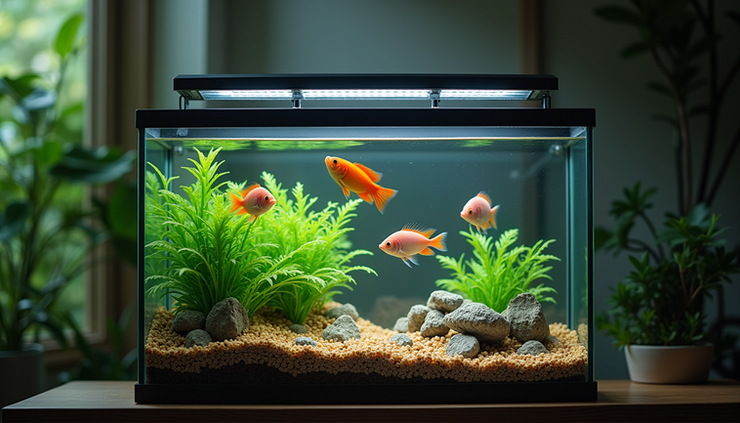
Why Aquarium Lids Matter
Aquarium lids serve several important functions that go beyond just aesthetics. Here are the key benefits:
Prevent Fish from Jumping Out
Many fish species are natural jumpers. A secure lid keeps them safely inside the tank, preventing injury or escape.
Reduce Water Evaporation
Open tanks lose water quickly, which means frequent refilling and fluctuating water parameters. A lid slows evaporation, helping maintain stable conditions.
Keep Dust and Debris Out
Lids protect the water from dust, pet hair, and other contaminants that can affect water quality and fish health.
Maintain Temperature and Humidity
Covers help retain heat, which is especially important for tropical fish that require warm water. They also reduce humidity loss in the room.
Enhance Lighting Setup
Many lids come with built-in light fixtures or support mounting lights, improving the tank’s illumination and promoting plant growth.
Common Types of Aquarium Lids and Covers
Choosing the right lid depends on your tank size, fish species, and personal preferences. Here are the most popular types:
Glass Lids
Glass lids are a classic choice. They are sturdy, easy to clean, and allow clear viewing of the aquarium.
Pros: Durable, scratch-resistant, good light transmission
Cons: Heavier than plastic, can break if dropped, may fog up
Glass lids often come in two pieces to allow easy access for feeding and maintenance.
Acrylic Lids
Acrylic lids are lighter and less prone to shattering than glass.
Pros: Lightweight, impact-resistant, customizable shapes
Cons: Scratches more easily, can yellow over time
They are a good option for larger tanks or setups where safety is a concern.
Mesh or Screen Covers
Mesh lids are made from metal or plastic screens and provide excellent ventilation.
Pros: Great airflow, prevents fish from jumping out, ideal for tanks with reptiles or amphibians
Cons: Allows more evaporation, less heat retention
These covers are popular for tanks housing species that need fresh air or cooler temperatures.

Plastic Lids
Plastic lids are affordable and lightweight but vary in quality.
Pros: Cost-effective, easy to handle, often come with built-in light fixtures
Cons: Less durable, can warp or crack, may reduce light clarity
They suit beginner hobbyists or temporary setups.
DIY and Custom Covers
Some aquarium owners prefer custom lids made from wood, acrylic sheets, or repurposed materials.
Pros: Tailored fit, creative designs, can include special features
Cons: Requires skill and tools, may not be waterproof or safe without proper finishing
Custom lids allow for unique solutions but need careful planning.
How to Choose the Right Lid for Your Aquarium
Consider these factors when selecting a lid:
Tank Size and Shape
Ensure the lid fits snugly to prevent gaps where fish can escape.
Fish Species
Active jumpers need secure covers; delicate fish may prefer lids that reduce light intensity.
Lighting Needs
If you have live plants or corals, choose lids that support strong lighting.
Maintenance Access
Lids with hinged or removable sections make feeding and cleaning easier.
Ventilation and Temperature Control
Match the lid type to your tank’s heating and airflow requirements.
Tips for Using Aquarium Lids Effectively
Check the lid regularly for damage or warping.
Clean lids with aquarium-safe products to avoid harmful residues.
Use lids with feeding holes or removable panels to reduce stress during feeding.
Avoid lids that trap too much heat if your tank houses species sensitive to temperature changes.
Consider adding a splash guard if your lid does not cover the entire tank.

Choosing the right aquarium lid improves your tank’s environment and protects your aquatic pets. Whether you prefer glass, acrylic, mesh, or a custom solution, a well-fitted cover enhances safety, water quality, and ease of maintenance. Take time to assess your tank’s needs and pick a lid that supports a healthy, beautiful aquarium.


Comments