
Essential Power Cut Emergency Tips to Keep Your Aquarium Safe

Power outages can strike unexpectedly, leaving aquarium owners worried about the health and safety of their aquatic pets. Without electricity, critical systems like filters, heaters, and aerators stop working, which can quickly stress or even endanger fish and other aquatic life. Knowing how to respond during a power cut can make all the difference in protecting your aquarium.
This guide offers practical, easy-to-follow tips to help you manage your aquarium during a power outage and keep your aquatic environment stable until power returns.

Understand What Stops Working During a Power Cut
When the power goes out, several key components in your aquarium will stop functioning:
Filters stop circulating and cleaning the water, leading to waste buildup.
Heaters cease to regulate water temperature, which can drop or rise depending on the environment.
Aerators and air pumps stop providing oxygen, reducing oxygen levels in the water.
Lighting turns off, which can affect plants and fish behavior.
Knowing which systems fail helps you prioritize actions to maintain water quality and temperature.
Keep Your Aquarium Stable Without Power
Maintain Water Temperature
Temperature fluctuations stress fish and can cause illness or death. Here are ways to keep the water temperature stable:
Cover the aquarium with blankets or towels to insulate and retain heat.
Move the tank away from cold drafts or direct sunlight to avoid rapid temperature changes.
Use warm water bottles wrapped in towels placed around the tank to provide gentle warmth.
Avoid opening the tank frequently to keep heat inside.
If you have a small tank, transferring fish temporarily to a smaller insulated container with a lid can help maintain temperature better.
Preserve Oxygen Levels
Fish need oxygen to survive, and without aeration, oxygen levels drop quickly. To keep oxygen flowing:
Manually agitate the water surface by gently splashing or stirring with a clean cup every few hours.
Use battery-operated air pumps if available, which can run during outages.
Avoid overcrowding the tank to reduce oxygen demand.
Monitor Water Quality
Without filtration, waste products accumulate and can poison fish. To reduce this risk:
Perform partial water changes with dechlorinated water if the outage lasts more than a few hours.
Remove uneaten food promptly to prevent decay.
Avoid feeding fish during prolonged outages to reduce waste production.
Prepare in Advance for Power Outages
Preparation is key to minimizing stress during a power cut. Consider these steps:
Invest in a battery backup system or uninterruptible power supply (UPS) for essential equipment like filters and heaters.
Keep spare batteries and battery-operated air pumps on hand.
Create an emergency kit with water conditioners, nets, buckets, and blankets.
Learn how to perform manual water aeration and temperature control before an emergency occurs.
Inform family or neighbors about your aquarium’s needs in case you need assistance.

What to Do When Power Returns
Once electricity is restored, take these steps to help your aquarium recover:
Turn on equipment gradually to avoid sudden changes in water flow or temperature.
Check water parameters such as temperature, pH, and ammonia levels.
Clean filters and replace media if necessary to remove accumulated waste.
Observe fish behavior closely for signs of stress or illness.
Resume regular feeding slowly, starting with small amounts.
If you notice any health issues in your fish, consult a veterinarian or aquatic specialist promptly.
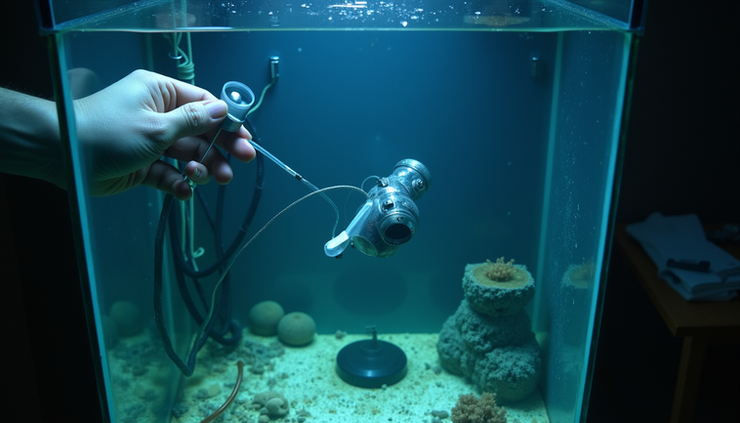
Final Thoughts on Keeping Your Aquarium Safe During Power Cuts
Power cuts can create dangerous conditions for your aquarium, but with the right knowledge and preparation, you can protect your aquatic pets effectively. Focus on maintaining stable temperature, oxygen levels, and water quality. Prepare emergency supplies and practice manual care techniques before an outage happens.


Comments