
Essential Steps to Create the Perfect Monster Fish Tank for Beginners

Setting up a monster fish tank can be an exciting challenge for any beginner. These large tanks offer plenty of space for big, impressive fish and create a stunning centerpiece in your home or office. However, they require careful planning and maintenance to keep your aquatic giants healthy and thriving. This guide walks you through the essential steps to build a monster fish tank that suits your needs and ensures a vibrant underwater world.
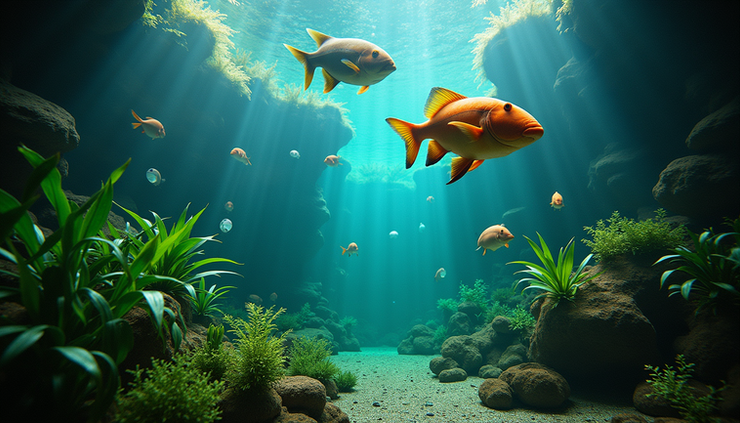
Choosing the Right Tank Size and Location
The first step is selecting a tank that fits your space and the fish you want to keep. Monster fish need ample room to swim and grow, so bigger is always better. A tank of at least 75 gallons is a good starting point for many large species, but some may require 100 gallons or more.
When deciding on the location:
Pick a sturdy, level surface that can support the tank’s weight when filled.
Avoid direct sunlight to prevent algae growth and temperature fluctuations.
Ensure easy access to power outlets for filters, heaters, and lighting.
Measure your space carefully and consider how the tank will fit with your room’s layout and décor.
Setting Up Filtration and Water Quality
Maintaining clean, healthy water is crucial for monster fish. These fish produce more waste than smaller species, so a powerful filtration system is necessary.
Use a high-capacity filter rated for at least twice the tank’s volume per hour.
Consider combining mechanical, biological, and chemical filtration for best results.
Regularly test water parameters such as pH, ammonia, nitrites, and nitrates.
Perform partial water changes weekly to keep toxins low.
A reliable heater is also important to maintain a stable temperature suited to your fish species, usually between 75°F and 82°F.
Selecting Suitable Monster Fish Species
Choosing the right fish depends on your tank size, water conditions, and your experience level. Some popular monster fish for beginners include:
Oscar fish: Hardy and colorful, they grow up to 12-14 inches.
Arowana: Elegant surface swimmers that can reach 24 inches or more.
Plecostomus (Plecos): Large algae eaters that help keep the tank clean.
Silver dollars: Schooling fish that add movement and brightness.
Avoid mixing aggressive species unless you have a very large tank and know how to manage their behavior. Research each species’ needs carefully before purchase.

Decorating and Creating a Natural Habitat
A monster fish tank should mimic the natural environment of your fish to reduce stress and encourage natural behavior.
Use large rocks, driftwood, and sturdy plants to create hiding spots and territories.
Choose decorations that won’t harm your fish or degrade water quality.
Arrange décor to allow plenty of open swimming space.
Consider substrate options like sand or gravel depending on fish preferences.
Live plants can improve water quality by absorbing nitrates, but some monster fish may uproot or eat them. Choose hardy species or artificial plants if needed.
Regular Maintenance and Monitoring
Keeping a monster fish tank healthy requires ongoing care:
Feed your fish a balanced diet appropriate for their species and size.
Clean the tank glass and decorations to prevent algae buildup.
Check equipment regularly to ensure filters and heaters work properly.
Observe fish behavior daily for signs of illness or stress.
Keeping a log of water tests and maintenance tasks helps track the tank’s condition and catch problems early.


Comments