
Essential Techniques for Successfully Propagating Aquatic Plants in Your Aquascape

Creating a lush aquascape depends heavily on healthy, thriving aquatic plants. Propagating these plants not only saves money but also allows you to expand your underwater garden with ease. Understanding how to propagate aquatic plants effectively can transform your aquarium into a vibrant, natural ecosystem. This guide covers practical methods to help you multiply your aquatic plants and maintain a flourishing aquascape.
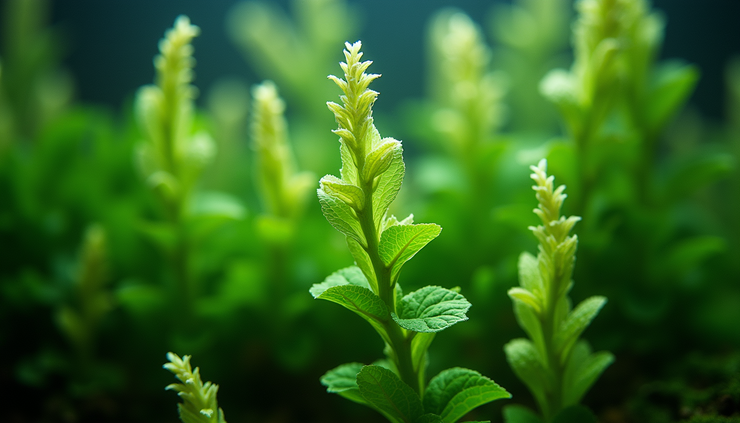
Understanding Aquatic Plant Propagation
Propagation means creating new plants from existing ones. Aquatic plants reproduce in several ways, including:
Cuttings: Taking a part of the plant and encouraging it to grow roots.
Runners and Stolons: Some plants send out horizontal stems that develop new plants.
Division: Separating a mature plant into smaller sections.
Plantlets: Some species produce small baby plants directly on leaves or stems.
Knowing which method suits your plant species is key to success.
Propagation by Cuttings
Many stem plants like Rotala, Ludwigia, and Cabomba propagate well through cuttings. Here’s how to do it:
Use sharp scissors or aquascaping tools to cut a healthy stem just below a leaf node.
Remove the lower leaves to expose the stem for planting.
Insert the cutting into the substrate or attach it to a hardscape like driftwood.
Provide stable water conditions with adequate light and nutrients.
Cuttings usually root within 1-2 weeks. Keep the water clean and avoid strong currents that might dislodge the new plants.
Using Runners and Stolons
Plants such as Java Fern and Anubias produce runners or stolons that extend horizontally. These runners develop new plantlets at intervals. To propagate:
Wait until the plantlets develop a few leaves and roots.
Gently separate the plantlets from the runner using clean scissors.
Replant the new plants in the substrate or attach them to rocks or wood.
This method is low effort and natural, making it ideal for beginners.

Dividing Mature Plants
Some root-based plants like Amazon Sword and Cryptocoryne grow large clumps that can be divided:
Remove the plant from the tank carefully.
Gently separate the root ball into smaller sections, ensuring each has roots and leaves.
Replant the divisions in the substrate.
Dividing plants helps control their size and encourages fresh growth. It also prevents overcrowding in your aquascape.
Propagating Through Plantlets
Certain species like Bolbitis and Frogbit produce small plantlets on leaves or runners. These can be detached and planted once they have developed roots. This method requires patience but yields strong new plants.
Tips for Successful Propagation
Maintain water quality: Clean water with stable parameters supports root development.
Provide adequate lighting: Most aquatic plants need moderate to high light for growth.
Use nutrient-rich substrate: Fertile substrate encourages root growth and plant health.
Avoid overcrowding: Give new plants space to grow without competition.
Monitor for algae: Algae can smother young plants, so keep it under control.
Common Mistakes to Avoid
Cutting stems too short or damaging nodes reduces chances of rooting.
Planting cuttings too deep can cause rot.
Ignoring water parameters like pH and temperature can stress plants.
Overfeeding fertilizers may cause algae blooms that harm new growth.
Expanding Your Aquascape with Propagation
Regular propagation lets you experiment with layout and plant combinations. For example, propagate Dwarf Hairgrass to create a carpet effect or multiply Rotala for colorful background layers. Propagation also helps replace plants lost to disease or pests without buying new ones.

By mastering these propagation techniques, you can build a thriving aquascape that evolves naturally. Start with easy-to-propagate species and gradually try more challenging plants as your confidence grows. Your aquarium will reward you with lush greenery and a balanced ecosystem.


Comments