
Essential Tips for Maintaining Stable Water Parameters in Your Monster Fish Tank

Keeping a monster fish tank healthy means more than just feeding your fish and cleaning the tank. Stable water parameters are crucial for the well-being of large fish species, which are often more sensitive to changes in their environment. Fluctuations in water quality can lead to stress, disease, and even death. This guide offers practical advice to help you maintain consistent water conditions, ensuring your monster fish thrive.

Understand Key Water Parameters
Before you can maintain stable water conditions, you need to know which parameters matter most:
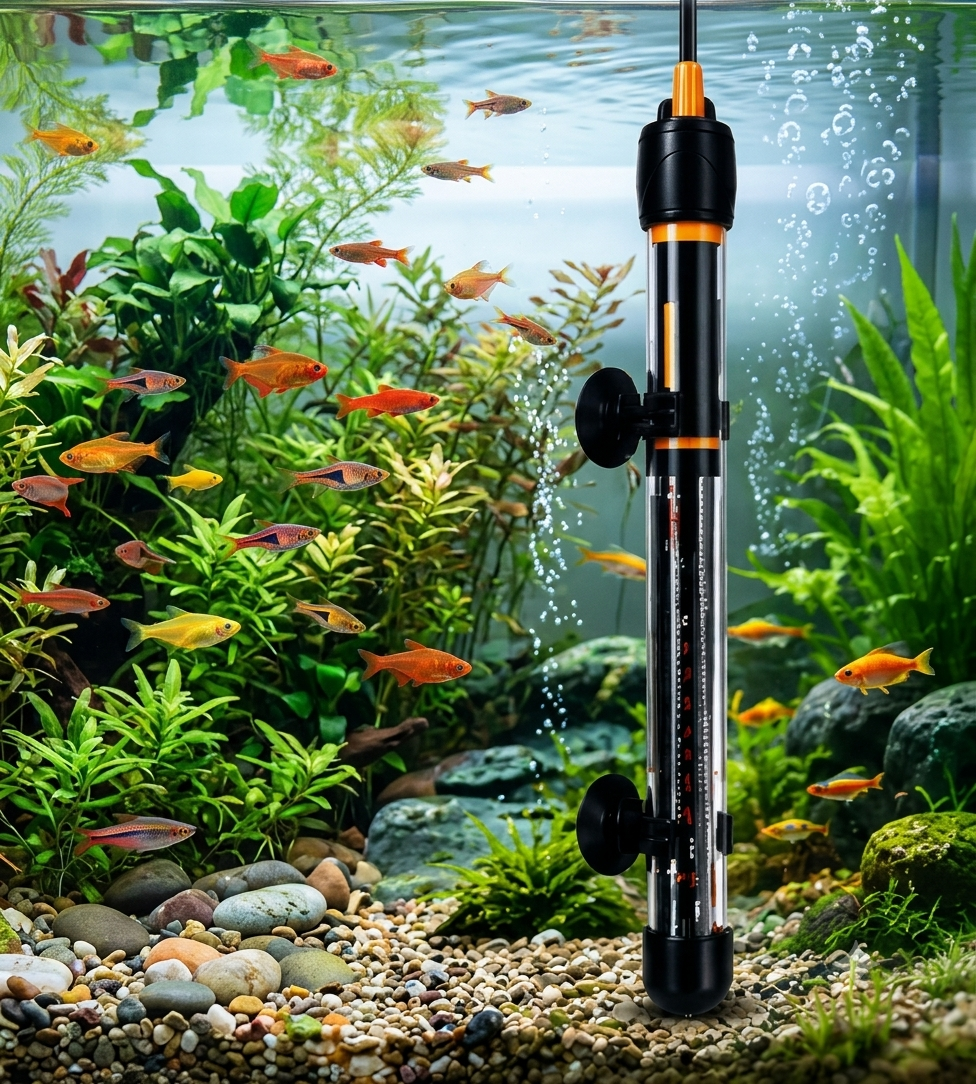
Temperature: Most monster fish prefer a stable temperature range, usually between 74°F and 82°F (23°C to 28°C), depending on the species.
pH Level: The acidity or alkalinity of the water should match the natural habitat of your fish. For example, many large tropical fish thrive in a pH between 6.5 and 7.5.
Ammonia, Nitrite, and Nitrate: Ammonia and nitrite should always be at zero because they are toxic. Nitrate should be kept below 20 ppm to avoid stress.
Hardness (GH and KH): General hardness (GH) and carbonate hardness (KH) affect fish health and water stability. Most monster fish prefer moderate hardness.
Regular testing with reliable kits helps you track these parameters and catch problems early.
Set Up a Reliable Filtration System
Large fish produce more waste, so your filtration system must be powerful and efficient. Consider these tips:
Use a filter rated for at least twice the volume of your tank.
Combine mechanical, biological, and chemical filtration to remove debris, break down toxins, and control odors.
Clean filter media regularly but avoid washing all media at once to preserve beneficial bacteria.
A well-maintained filter keeps water clear and reduces harmful substances, stabilizing your tank’s environment.
Perform Consistent Water Changes
Water changes are essential to remove accumulated toxins and replenish minerals. Follow these guidelines:
Change 20-30% of the water weekly for tanks with monster fish.
Use a gravel vacuum to remove debris from the substrate.
Always treat tap water with a dechlorinator before adding it to the tank.
Match the temperature and pH of new water to the tank to avoid shocking your fish.
Regular water changes prevent sudden spikes in ammonia and nitrate, keeping water parameters steady.

Monitor and Control Feeding
Overfeeding is a common cause of water quality problems. Large fish need plenty of food, but uneaten food decomposes and pollutes the water. To avoid this:
Feed only what your fish can consume in 2-3 minutes.
Remove leftover food promptly.
Use high-quality, species-appropriate food to reduce waste.
By controlling feeding, you reduce excess nutrients that can destabilize water chemistry.
Maintain Proper Aeration and Circulation
Oxygen levels are critical for fish health. Large tanks require good water movement to distribute oxygen and nutrients evenly. Tips include:
Use air stones or powerheads to increase oxygen exchange.
Position filters and pumps to create gentle water flow without stressing fish.
Avoid dead spots where water becomes stagnant.
Good circulation supports beneficial bacteria and keeps water parameters balanced.

Regularly Inspect Equipment and Tank Conditions
Routine checks help catch issues before they affect water quality:
Test water parameters weekly.
Inspect heaters, filters, and pumps for proper function.
Look for signs of algae overgrowth or unusual fish behavior.
Clean tank glass and decorations to prevent buildup.
Early detection of problems allows quick fixes, maintaining a stable environment.
Use Live Plants and Beneficial Bacteria
Live plants absorb nitrates and provide oxygen, helping stabilize water chemistry. Choose hardy species that can thrive with your fish. Additionally, adding beneficial bacteria supplements can boost the biological filtration, speeding up the breakdown of waste.
Avoid Overcrowding
Monster fish need ample space. Overcrowding leads to increased waste and stress, making it harder to maintain stable water parameters. Ensure your tank size matches the adult size of your fish and avoid adding too many fish at once.


Comments