
Essential Tips for Safely Transporting Fish After Purchase

Transporting fish after purchase can be a delicate process. Fish are sensitive to changes in water quality, temperature, and oxygen levels. Without proper care, stress or injury can occur, which may lead to illness or death. Whether you are bringing home a new aquarium addition or moving fish between tanks, following the right steps ensures your fish arrive healthy and ready to thrive.
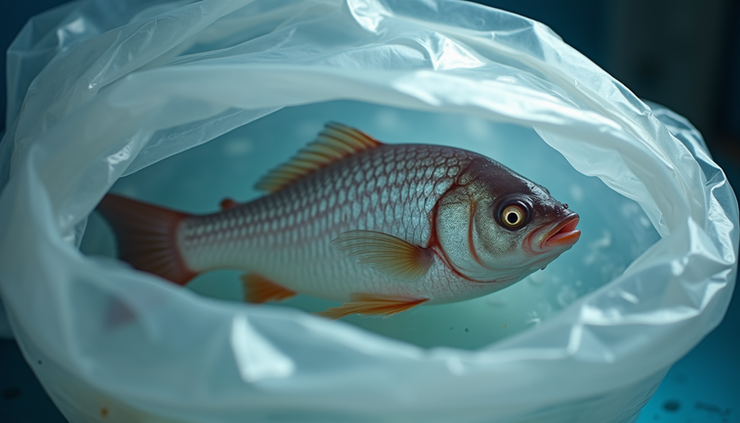
Prepare the Right Transport Materials
Before you leave the store or your fish supplier, gather the proper materials to keep your fish safe during the trip:
Plastic bags: Use sturdy, clear bags designed for fish transport. Double-bagging reduces the risk of leaks.
Oxygen: Ask the store to fill the bags with oxygen instead of air. This helps fish breathe during longer trips.
Insulated container: Use a cooler or insulated box to maintain stable temperature.
Water conditioner: Have water conditioner ready to treat tap water before adding fish to a new tank.
Using these materials helps maintain water quality and reduces stress on the fish.
Keep Water Temperature Stable
Fish are sensitive to temperature changes. Sudden shifts can cause shock or weaken their immune system. To keep the temperature steady:
Transport fish in an insulated container, such as a cooler.
Avoid exposing the container to direct sunlight or cold drafts.
For tropical fish, consider using heat packs or cold packs depending on the weather.
Avoid opening the bag or container during transport to prevent temperature fluctuations.
For example, if you live in a cold climate and buy tropical fish, placing a heat pack inside the cooler can prevent the water from getting too cold during the trip home.
Limit Transport Time and Movement
The longer fish spend in transport, the higher the risk of stress and injury. Plan your trip to minimize travel time:
Choose the fastest route home.
Avoid unnecessary stops or rough roads.
Keep the container secure and stable in your vehicle to prevent shaking.
If you expect a long journey, consider breaking it into shorter segments with rest periods in a quiet, temperature-controlled environment.
Handle Fish Gently When Transferring
Once home, transferring fish from the transport bag to their new tank requires care:
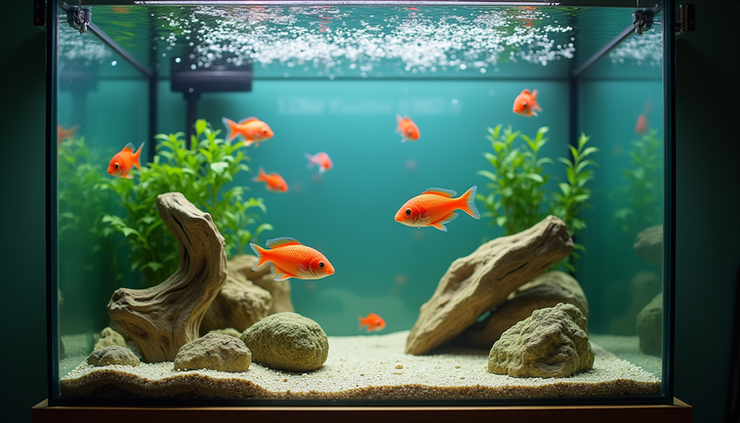
Float the sealed bag in the aquarium for 15-20 minutes to equalize temperature.
Slowly add small amounts of tank water to the bag every 5 minutes to help fish adjust to water chemistry.
Use a net to gently move fish into the tank, avoiding pouring water from the bag to reduce contamination risk.
Turn off aquarium lights during transfer to reduce stress.
This gradual acclimation process helps fish adapt smoothly to their new environment.

Monitor Fish After Transport
After introducing fish to their new tank, watch them closely for signs of stress or illness:
Look for unusual swimming patterns, such as erratic movements or lethargy.
Check for physical signs like clamped fins, discoloration, or spots.
Maintain stable water parameters by testing temperature, pH, and ammonia levels daily.
Avoid feeding fish for 24 hours after transport to reduce stress on their digestive system.
If problems arise, consult a veterinarian or experienced aquarist for advice.


Comments