
Live Plants vs Artificial Plants Which is Better for Your Home Decor

Choosing between live plants and artificial plants for home decor can be tricky. Both options bring greenery and style to your space, but they come with different benefits and challenges. Professionals often weigh in on this debate, offering insights that can help you decide what fits your lifestyle and design goals best. This post explores the key differences, advantages, and drawbacks of live and artificial plants to guide your choice.
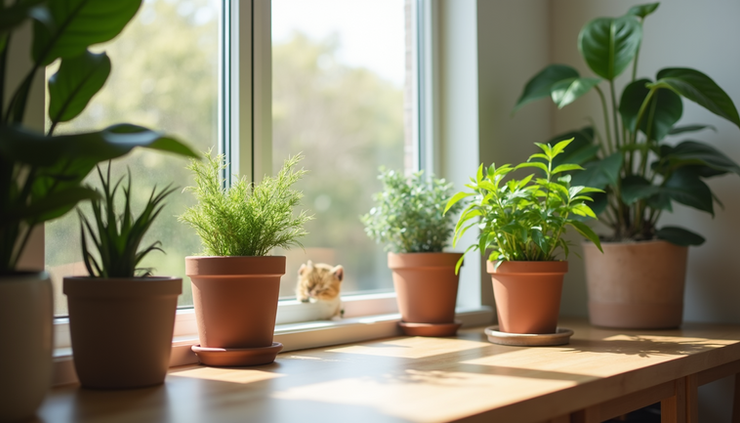
Benefits of Live Plants for Home Decor
Live plants bring a natural touch that artificial plants cannot fully replicate. They add life, color, and texture to any room while improving air quality. Here are some reasons why professionals recommend live plants:
Air purification: Many live plants filter toxins and release oxygen, making your indoor air cleaner and healthier. For example, spider plants and peace lilies are known for their air-purifying qualities.
Mood enhancement: Studies show that being around live plants can reduce stress and boost mood. The presence of greenery creates a calming atmosphere.
Natural scent: Some live plants, like herbs or jasmine, add a subtle, pleasant fragrance to your home.
Seasonal changes: Live plants grow and change with the seasons, adding dynamic interest to your decor.
Unique appearance: Each live plant has its own shape, size, and growth pattern, giving your space a one-of-a-kind look.
However, live plants require care. They need watering, proper light, and occasional pruning. Some plants may not thrive indoors or in low-light areas, which can be frustrating for beginners.
Advantages of Artificial Plants
Artificial plants have come a long way in realism and design. They offer a practical alternative for those who want greenery without the upkeep. Here’s why some professionals suggest artificial plants:
Low maintenance: No watering, no sunlight needed, and no risk of pests. Artificial plants stay looking fresh year-round.
Durability: They don’t wilt, die, or lose leaves, making them ideal for busy households or places with poor natural light.
Allergy-friendly: Artificial plants don’t produce pollen, so they are safe for people with allergies.
Versatility: You can place artificial plants anywhere, including bathrooms or windowless rooms.
Cost-effective over time: While the initial cost may be higher, artificial plants don’t require replacement or care products.
The main downside is that artificial plants lack the natural benefits of live plants, such as air purification and scent. Some cheaper artificial plants may look fake, which can detract from your decor’s authenticity.

How to Choose Between Live and Artificial Plants
Your choice depends on several factors including lifestyle, space, budget, and personal preferences. Here are some points to consider:
Time and commitment: If you enjoy gardening and have time for plant care, live plants are rewarding. If you prefer hassle-free decor, artificial plants work better.
Lighting conditions: Rooms with little natural light are better suited for artificial plants or low-light tolerant live plants like snake plants.
Allergies and pets: Artificial plants avoid allergy triggers and are safer if you have pets that might chew on toxic plants.
Budget: Live plants can be inexpensive initially but may require ongoing costs for soil, pots, and care. Artificial plants have a higher upfront cost but minimal maintenance expenses.
Aesthetic goals: For a natural, evolving look, live plants are unmatched. For consistent, long-lasting greenery, artificial plants are ideal.
Some decorators combine both types to balance beauty and convenience. For example, a live plant near a sunny window paired with artificial plants in darker corners can create a harmonious look.
Tips for Maintaining Live and Artificial Plants
Proper care extends the life and appearance of both live and artificial plants.
Live Plants
Water according to each plant’s needs; overwatering is a common mistake.
Use appropriate pots with drainage holes to prevent root rot.
Rotate plants occasionally to ensure even light exposure.
Clean leaves gently to remove dust and allow photosynthesis.
Fertilize during growing seasons to support health.
Artificial Plants
Dust regularly with a soft cloth or use a gentle vacuum brush.
Avoid direct sunlight to prevent fading.
Occasionally wash with mild soap and water if dusty.
Arrange thoughtfully to avoid clutter and maintain a natural look.


Comments