
Moving with Fish: Safe Tips for Transporting Your Custom Aquarium Setup

Moving to a new home can be stressful, especially when you have a custom aquarium setup to transport. Fish and aquatic plants need special care during relocation to avoid stress, injury, or damage to the tank. This guide offers practical, step-by-step advice to help you move your aquarium safely and keep your aquatic environment healthy throughout the process.
Preparing Your Aquarium for the Move
Before packing anything, plan the move carefully. Preparation reduces risks and ensures a smoother transition.
Research local regulations if you are moving across state or country borders, as some places have restrictions on transporting live fish.
Schedule the move on a day with mild weather to avoid temperature extremes.
Gather supplies such as sturdy containers, plastic bags, water conditioners, and cushioning materials.
Step 1: Reduce Feeding and Clean the Tank
Stop feeding your fish 24 to 48 hours before the move. This reduces waste buildup during transport.
Perform a partial water change of about 25% to 50% a day before moving. Avoid cleaning the tank completely to preserve beneficial bacteria in the filter media.
Step 2: Prepare Fish for Transport
Use clean, food-grade plastic bags or specialized fish transport containers. Fill each bag with water from the tank and add an oxygen tablet or pure oxygen if possible.
Place only a few fish per bag to reduce stress and avoid overcrowding. Seal bags tightly and place them in insulated containers or coolers to maintain temperature.
Packing the Aquarium Components
Your custom aquarium setup includes more than just fish. Plants, decorations, filters, and the tank itself need careful handling.
Step 3: Remove and Pack Decorations and Plants
Gently remove decorations and aquatic plants. Place plants in containers with tank water or damp paper towels to keep roots moist.
Wrap decorations in bubble wrap or soft cloth to prevent damage during transport.
Step 4: Handle the Filter and Equipment
Do not clean the filter media before the move. Keep it moist by placing it in a sealed plastic bag with some tank water.
Disconnect all electrical equipment and pack cords separately to avoid damage.
Step 5: Drain and Pack the Tank
Drain most of the water from the tank, leaving a small amount to keep the substrate moist.
Use sturdy boxes and plenty of padding to protect the tank glass. If possible, transport the tank separately from the fish to reduce risk.
Transporting the Aquarium Safely
Transporting your aquarium setup requires attention to temperature, stability, and timing.
Step 6: Maintain Stable Temperature
Fish are sensitive to temperature changes. Use insulated containers and avoid exposing fish bags to direct sunlight or cold drafts.
If the move is long, consider using battery-powered air pumps or oxygen tanks to keep oxygen levels stable.
Step 7: Secure the Aquarium Setup in the Vehicle
Place the tank and containers on a flat surface in the vehicle. Use straps or cushions to prevent shifting during transit.
Avoid stacking heavy items on top of the aquarium components.
Step 8: Minimize Transport Time
Plan the route to minimize travel time and avoid traffic delays. The less time fish spend in transport, the lower their stress levels.
Setting Up Your Aquarium at the New Location
Once you arrive, reassemble your aquarium carefully to help fish adjust quickly.
Place the tank on a sturdy, level surface away from direct sunlight or drafts.
Reinstall decorations and plants gently.
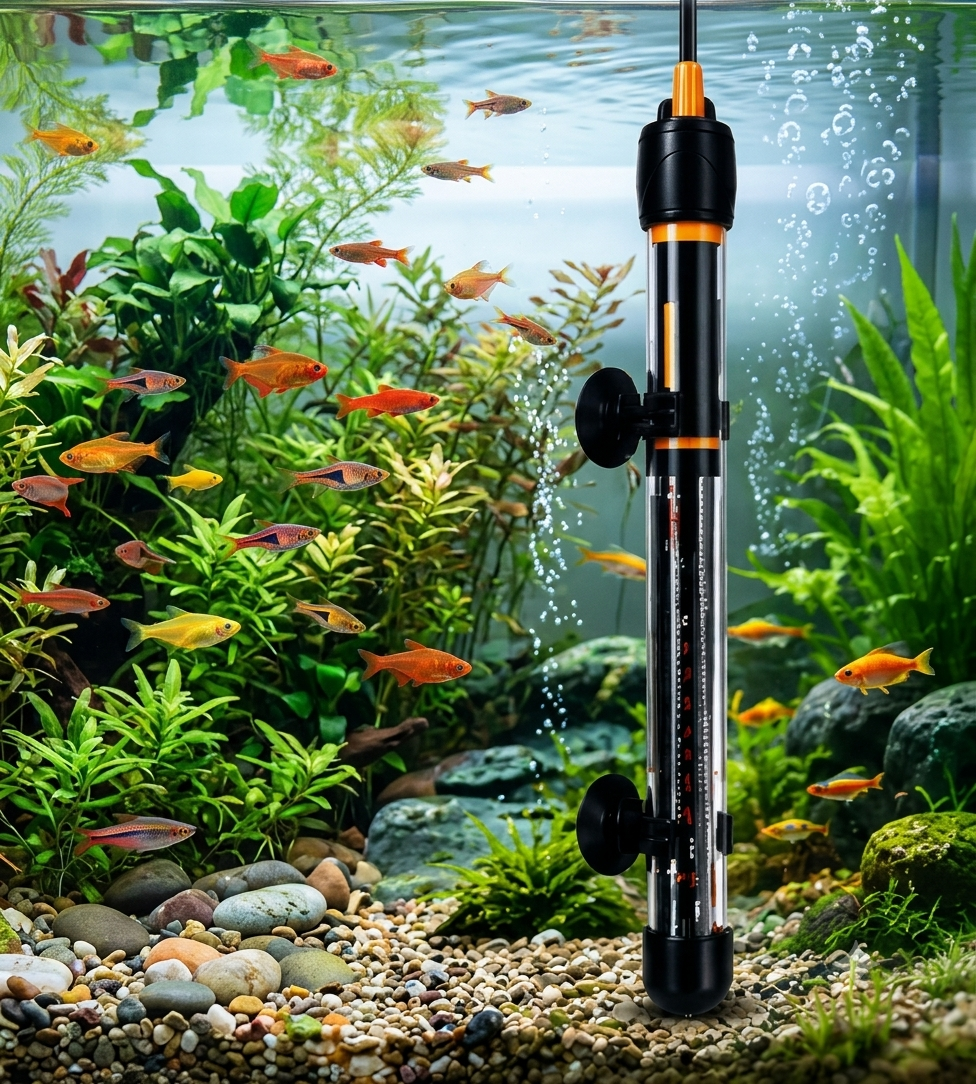
Reconnect the filter and heater, and start cycling the water gradually.
Add fish back to the tank slowly, monitoring their behavior for signs of stress.
Final Thoughts on Moving Your Custom Aquarium
Moving a custom aquarium setup takes planning, patience, and care. By preparing your fish and equipment properly, packing securely, and transporting with attention to temperature and stability, you can protect your aquatic life and enjoy your new home without losing your underwater friends.


Comments