
Natural Methods for Achieving a Balanced Aquarium Ecosystem

Creating a thriving aquarium means more than just adding fish and water. A balanced ecosystem inside your tank keeps fish healthy, plants vibrant, and water clear without relying heavily on chemicals or frequent interventions. Achieving this balance naturally requires understanding the relationships between living organisms and their environment. This guide explores practical, natural ways to maintain harmony in your aquarium ecosystem.
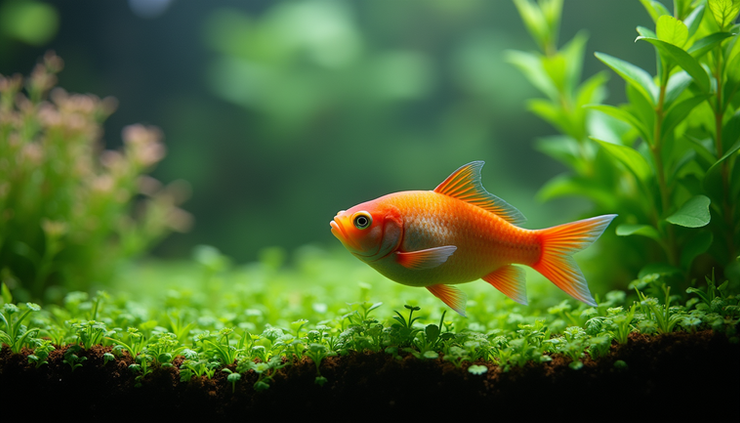
Understanding the Aquarium Ecosystem
An aquarium ecosystem includes fish, plants, beneficial bacteria, and microorganisms interacting with water, light, and nutrients. Each component plays a role:
Fish produce waste that breaks down into nutrients.
Plants absorb nutrients and produce oxygen.
Bacteria convert harmful substances like ammonia into less toxic forms.
Microorganisms help decompose organic matter.
Balancing these elements naturally means supporting their roles without disrupting the system with harsh chemicals or overfeeding.
Choosing the Right Plants and Fish
Selecting compatible species is the first step toward a natural balance.
Plants such as Java fern, Anubias, and hornwort grow well in various conditions and absorb excess nutrients, reducing algae growth.
Fish like tetras, guppies, and Corydoras catfish are peaceful and produce manageable waste levels.
Avoid overcrowding; too many fish increase waste and stress the system.
Plants also provide shelter and breeding grounds, which help fish feel secure and reduce aggressive behavior.
Establishing Beneficial Bacteria
Beneficial bacteria are the backbone of a healthy aquarium. They convert toxic ammonia from fish waste into nitrites and then into nitrates, which plants use as fertilizer.
Use a biofilter with porous media to house bacteria colonies.
Avoid cleaning filter media with tap water to preserve bacteria.
Cycle your tank before adding many fish to allow bacteria to establish.
This natural filtration reduces the need for frequent water changes and chemical treatments.

Managing Nutrients and Algae Naturally
Excess nutrients cause algae blooms, which can harm fish and plants. Managing nutrients naturally involves:
Controlling feeding: Feed fish only what they consume in a few minutes to avoid leftover food decomposing.
Adding live plants: Fast-growing plants like water sprite absorb nitrates quickly.
Introducing algae eaters: Species like Amano shrimp, nerite snails, and Siamese algae eaters consume algae without harming plants.
Regularly removing decaying plant matter and debris also prevents nutrient buildup.
Using Natural Water Treatments
Instead of chemicals, use natural methods to maintain water quality:
Peat moss can soften water and lower pH gently.
Indian almond leaves release tannins that have mild antibacterial properties.
Regular partial water changes with dechlorinated water keep the environment fresh.
Test water parameters weekly to track ammonia, nitrite, nitrate, and pH levels, adjusting care as needed.

Encouraging a Balanced Food Chain
A natural aquarium ecosystem includes a simple food chain:
Fish eat plants, algae, or smaller organisms.
Algae and microorganisms feed on waste and decaying matter.
Detritivores like snails and shrimp clean leftover food and algae.
By supporting this food chain, you reduce waste buildup and maintain water clarity. Avoid over-cleaning the tank, as some organic matter supports beneficial organisms.
Monitoring and Adjusting Over Time
Every aquarium is unique. Observe your tank daily for signs of imbalance:
Cloudy water or algae overgrowth indicates excess nutrients.
Fish gasping at the surface may signal low oxygen.
Yellowing plants suggest nutrient deficiencies.
Adjust feeding, plant density, or water changes based on these observations. Patience is key; natural balance develops gradually.


Comments