
The Benefits of a Planted Aquarium Over Artificial Decor

Aquariums bring a slice of nature into our homes, offering a peaceful retreat and a fascinating hobby. When setting up an aquarium, one key decision is whether to use live plants or artificial decorations. While artificial decor can be visually appealing and low maintenance, planted aquariums provide a range of benefits that go beyond aesthetics. This post explores why a planted aquarium often outshines artificial decor in terms of health, environment, and overall enjoyment.

Natural Filtration and Water Quality
Live plants act as natural filters in an aquarium. They absorb harmful substances such as nitrates, ammonia, and carbon dioxide, which can build up and harm fish. This process helps maintain cleaner water and reduces the frequency of water changes.
Nutrient absorption: Plants take up nutrients from fish waste and uneaten food, preventing algae overgrowth.
Oxygen production: Through photosynthesis, plants release oxygen into the water, improving the environment for fish and beneficial bacteria.
pH stabilization: Certain plants can help stabilize pH levels, creating a more balanced habitat.
Artificial decor does not contribute to water quality. Instead, it can sometimes trap debris and promote algae growth if not cleaned regularly.
Enhanced Habitat for Fish
A planted aquarium mimics the natural environment of many fish species, offering hiding spots, breeding grounds, and resting places. This leads to healthier, less stressed fish.
Shelter and security: Dense plants provide cover from aggressive tank mates and reduce stress.
Breeding support: Many fish lay eggs on or near plants, and fry find protection among leaves.
Natural behavior: Fish display more natural behaviors when surrounded by live plants, such as grazing and exploring.
Artificial decorations often lack the complexity and softness of plants, which can limit fish comfort and natural activity.
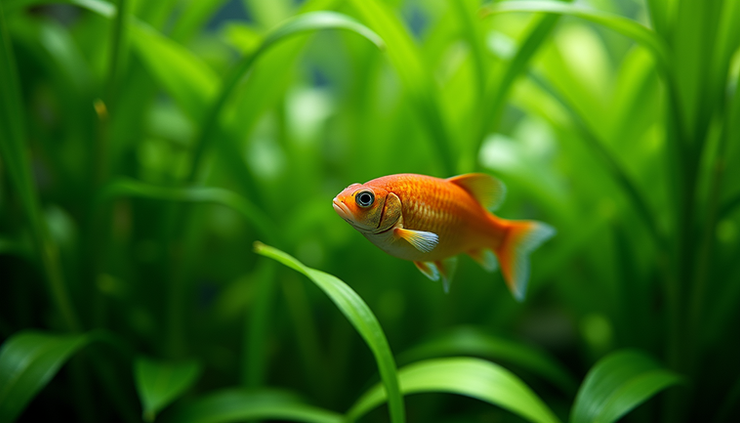
Aesthetic Appeal and Dynamic Beauty
Live plants bring a dynamic, ever-changing beauty to an aquarium. Their growth, color variations, and movement with water currents create a living artwork.
Variety of textures and colors: From tall, flowing stems to compact mosses, plants add depth and contrast.
Seasonal changes: Plants grow, bloom, and sometimes shed leaves, offering a natural cycle that keeps the aquarium interesting.
Customization: Aquarists can design layouts that evolve over time, experimenting with different species and arrangements.
Artificial decor remains static and can fade or degrade over time, losing its initial charm.
Environmental and Health Benefits
Using live plants supports a more sustainable aquarium setup. They contribute to a balanced ecosystem that reduces the need for chemical treatments.
Reduced chemical use: Healthy plants lower algae growth, decreasing the need for algaecides.
Improved air quality: Aquatic plants can slightly improve room air quality by absorbing carbon dioxide.
Mental health boost: Caring for live plants and watching their growth can be therapeutic and rewarding.
Artificial decorations, often made from plastic or resin, have a larger environmental footprint and do not offer these benefits.
Practical Considerations
While planted aquariums require more care, the effort pays off in a healthier, more vibrant tank.
Maintenance: Plants need proper lighting, nutrients, and pruning. This can be a fulfilling part of the hobby.
Cost: Initial setup may be higher due to equipment like grow lights and substrate, but long-term benefits often outweigh costs.
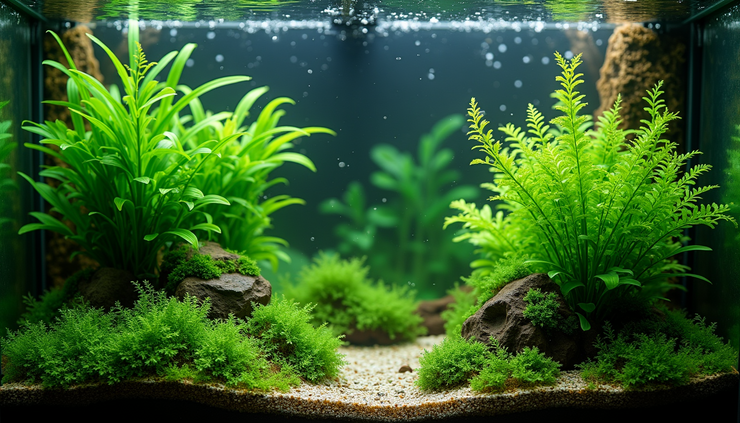
Learning curve: Beginners can start with hardy plants like Java fern or Anubias, which tolerate a range of conditions.
Artificial decor is easier to maintain but may require more frequent cleaning and replacement.


Comments