
The Essential Guide to Quarantining New Fish Before Adding to Your Tank

Adding new fish to your aquarium can bring excitement and beauty, but it also carries risks. Introducing fish without proper quarantine can spread diseases, stress your existing fish, and disrupt your tank’s balance. Quarantining new fish is a simple step that protects your aquatic community and helps your new arrivals thrive.
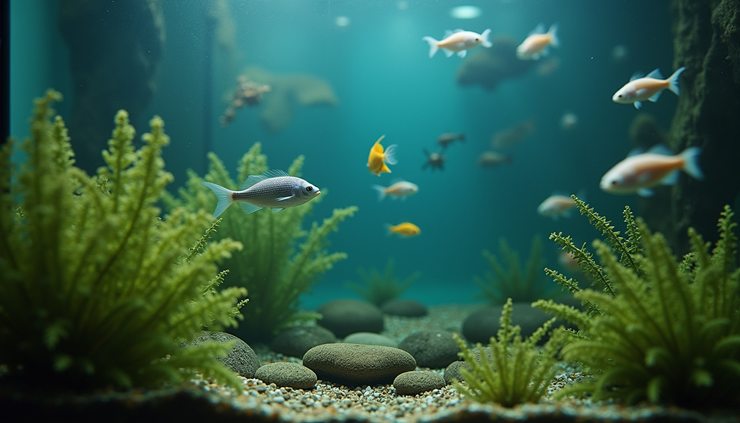
Why Quarantine New Fish Matters
New fish often carry parasites, bacteria, or viruses that are not immediately visible. These pathogens can quickly infect your established tank, leading to illness or death. Quarantine acts as a safety buffer, allowing you to observe and treat new fish before they join your main aquarium.
Skipping quarantine risks:
Spreading diseases like ich, fin rot, or velvet
Stressing your current fish population
Introducing parasites that are hard to eliminate later
Quarantine also gives new fish time to adjust to water conditions gradually, reducing shock and improving survival rates.
Setting Up a Quarantine Tank
You don’t need a large or expensive setup for quarantine. A simple tank of 10 to 20 gallons works well for most small to medium fish. Here’s what you need:
Tank: A separate aquarium or plastic container with a lid to prevent jumping
Heater: Maintain the same temperature as your main tank
Filter: A sponge filter is ideal because it provides gentle filtration and won’t suck in small fish
Water conditioner: To remove chlorine and chloramine from tap water
Test kits: For ammonia, nitrite, nitrate, and pH to monitor water quality
Hiding spots: Use plants or decorations to reduce stress
Avoid adding substrate or gravel to make cleaning easier and reduce the risk of parasites hiding.
How to Quarantine New Fish Step-by-Step
Acclimate the fish
Float the sealed bag in the quarantine tank for 15-20 minutes to equalize temperature. Slowly add small amounts of quarantine tank water to the bag over 30 minutes to help the fish adjust to water chemistry.
Transfer the fish gently
Use a net or cup to move the fish into the quarantine tank. Avoid adding water from the store bag to prevent contamination.
Observe daily
Watch for signs of illness such as white spots, clamped fins, lethargy, or unusual swimming. Healthy fish will explore and eat normally.
Maintain water quality
Perform 25-50% water changes every 2-3 days. Test water parameters regularly to keep ammonia and nitrite at zero.
Treat if necessary
If you notice parasites or infections, start treatment immediately using appropriate medications. Common treatments include copper-based meds for parasites or antibacterial treatments for fin rot.
Quarantine duration
Keep fish isolated for at least 2 to 4 weeks. This period covers most disease incubation times and ensures the fish are healthy before introduction.
Tips for a Successful Quarantine
Feed high-quality food to support immune health. Use frozen or live foods if possible.
Avoid overcrowding in the quarantine tank to reduce stress and disease spread.
Keep quarantine tank away from your main aquarium to prevent airborne contamination.
Use separate equipment like nets and siphons for quarantine and main tanks.
Record observations daily to track any changes in fish behavior or health.
What to Do After Quarantine
Once the quarantine period ends and your fish show no signs of illness, prepare your main tank for their arrival:
Match water parameters such as temperature, pH, and hardness between tanks.
Acclimate the fish again by slowly mixing main tank water into the quarantine tank water before transfer.
Introduce fish gently to avoid stress and aggression.
Monitor closely for the first week after introduction for any delayed symptoms.

Taking these steps ensures your new fish settle in safely and your aquarium stays healthy.


Comments