
The Significance of Water Changes in Aquatic Ecosystems

Water is the foundation of life in aquatic ecosystems. Maintaining its quality is essential for the health of fish, plants, and microorganisms that depend on it. One of the most effective ways to preserve this balance is through regular water changes. This practice might seem simple, but it plays a crucial role in sustaining vibrant and thriving aquatic environments.
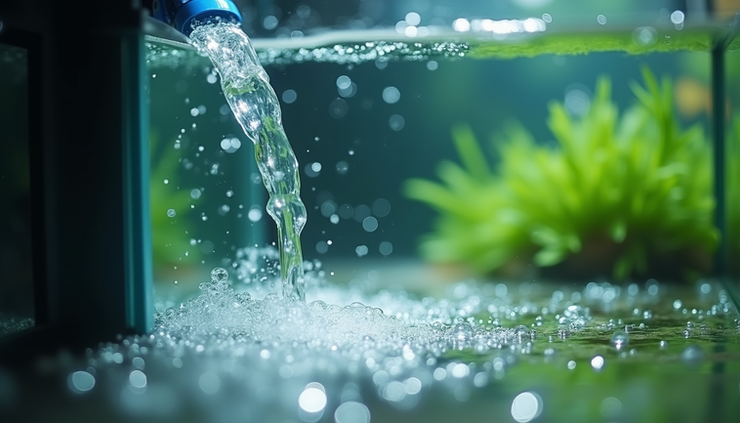
Why Water Changes Matter
Aquatic ecosystems, whether natural or artificial like aquariums, accumulate waste products over time. Fish excrete ammonia, plants shed organic matter, and uneaten food decomposes. These substances break down into harmful chemicals such as nitrites and nitrates. Without intervention, these toxins build up and stress or even kill aquatic life.
Water changes help by:
Diluting harmful chemicals: Removing a portion of the old water lowers the concentration of toxins.
Replenishing essential minerals: Fresh water brings in minerals and trace elements that support biological functions.
Balancing pH and oxygen levels: New water helps stabilize pH and increases dissolved oxygen, which is vital for respiration.
For example, in a typical home aquarium, changing 10-20% of the water weekly can prevent nitrate levels from reaching dangerous concentrations above 40 ppm (parts per million). This simple routine keeps fish healthy and reduces algae growth.
How Water Changes Support Aquatic Life
Fish and other aquatic organisms rely on stable water conditions. Sudden changes in temperature, pH, or chemical composition can cause stress, making them vulnerable to disease. Regular water changes create a more stable environment by:
Removing excess nutrients that fuel algae blooms, which can deplete oxygen and block light.
Preventing the buildup of carbon dioxide, which can lower pH and suffocate fish.
Supporting beneficial bacteria that break down waste products in the filter and substrate.
In natural ecosystems like ponds or lakes, water exchange happens through rainfall, inflow, and outflow. When these processes slow down due to drought or pollution, water quality declines. In such cases, human intervention through partial water replacement or aeration can restore balance.
Best Practices for Effective Water Changes
To maximize the benefits of water changes, follow these guidelines:
Use dechlorinated water: Tap water often contains chlorine or chloramine, which are toxic to aquatic life. Treat water with a conditioner before adding it.
Match temperature and pH: New water should be close in temperature and pH to the existing water to avoid shocking inhabitants.
Change water regularly: Consistency is key. Set a schedule based on the ecosystem’s needs, such as weekly for aquariums or monthly for larger ponds.
Avoid over-cleaning: Do not remove all the water or clean filters at the same time, as this can disrupt beneficial bacteria colonies.
Monitor water parameters: Use test kits to check ammonia, nitrite, nitrate, and pH levels before and after changes.
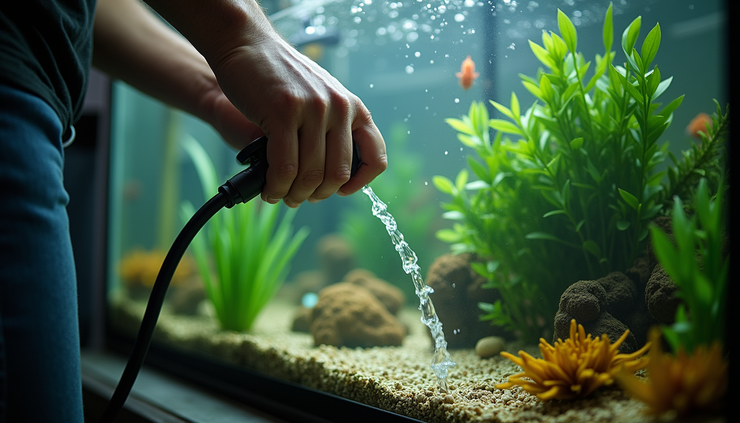
Examples of Water Changes in Different Settings
In a home aquarium, water changes are straightforward. Removing 10-20% of the water weekly keeps fish healthy and plants vibrant. For heavily stocked tanks, more frequent changes may be necessary.
In public aquariums, water changes are part of a complex maintenance routine. Large volumes of water are filtered and replaced regularly to maintain stable conditions for diverse species.
In natural ponds, water changes occur naturally but can be supplemented by adding fresh water during dry seasons or after contamination events. Aeration devices also help circulate water and improve oxygen levels.
The Impact of Neglecting Water Changes
Ignoring water changes leads to poor water quality, which causes:
Fish stress and increased susceptibility to infections.
Algae overgrowth that clouds water and competes with plants.
Accumulation of toxic substances that can cause sudden fish deaths.
Unpleasant odors and unsightly water appearance.
For example, a study on home aquariums showed that tanks without regular water changes had nitrate levels exceeding 100 ppm within weeks, leading to fish mortality in 60% of cases.


Comments