
Top 10 Live Plants Perfect for Beginner Aquariums

Starting an aquarium can be exciting, but choosing the right live plants often feels overwhelming. Many beginners struggle with plants that require complex care or specific water conditions. The good news is that some live plants thrive easily in beginner setups, adding beauty and balance to your tank without demanding too much attention. This guide highlights the top 10 live plants that are perfect for those new to aquarium keeping.
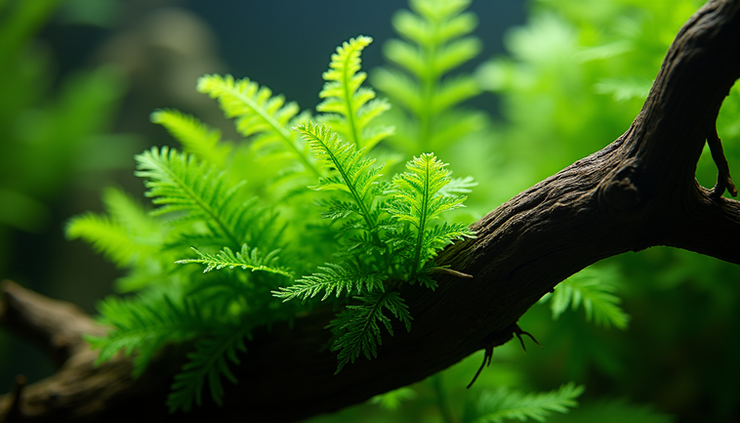
1. Java Fern (Microsorum pteropus)
Java Fern is a favorite among beginners because it grows well in low to moderate light and does not require substrate planting. Attach it to rocks or driftwood, and it will thrive. It tolerates a wide range of water conditions and grows slowly, making it low maintenance.
Light: Low to moderate
Care: Easy
Growth: Slow
Placement: Attached to décor, not buried in substrate
2. Anubias (Anubias barteri)
Anubias plants have thick, dark green leaves and are very hardy. Like Java Fern, they prefer to be attached to hard surfaces rather than planted in substrate. They grow slowly and can tolerate low light and a variety of water parameters.
Light: Low to moderate
Care: Easy
Growth: Slow
Placement: Attached to rocks or wood
3. Amazon Sword (Echinodorus amazonicus)
Amazon Sword is a classic aquarium plant with broad leaves that provide shelter for fish. It requires a nutrient-rich substrate and moderate lighting but is still suitable for beginners willing to provide basic care. It grows faster than Java Fern and Anubias, so trimming may be needed.
Light: Moderate
Care: Moderate
Growth: Moderate to fast
Placement: Planted in substrate
4. Hornwort (Ceratophyllum demersum)
Hornwort is a floating or planted plant that grows quickly and helps absorb excess nutrients, reducing algae growth. It does not need substrate and can float freely or be anchored. Its fast growth makes it excellent for beginners wanting quick results.
Light: Low to high
Care: Easy
Growth: Fast
Placement: Floating or planted
5. Cryptocoryne (Cryptocoryne wendtii)
Cryptocoryne species are known for their adaptability and attractive, wavy leaves. They prefer low to moderate light and a nutrient-rich substrate. These plants grow slowly and are great for adding texture to the aquarium.
Light: Low to moderate
Care: Easy to moderate
Growth: Slow
Placement: Planted in substrate

6. Java Moss (Taxiphyllum barbieri)
Java Moss is a versatile plant that can attach to almost any surface, including decorations and substrate. It grows densely and provides excellent hiding spots for small fish and shrimp. It thrives in low light and is very forgiving.
Light: Low to moderate
Care: Very easy
Growth: Moderate
Placement: Attached to décor or substrate
7. Water Wisteria (Hygrophila difformis)
Water Wisteria grows quickly and has delicate, lace-like leaves. It can be planted or floated and helps improve water quality by absorbing nutrients. It requires moderate light but is otherwise easy to care for.
Light: Moderate
Care: Easy
Growth: Fast
Placement: Planted or floating
8. Dwarf Sagittaria (Sagittaria subulata)
Dwarf Sagittaria is a grass-like plant that forms a carpet effect in the aquarium. It grows well in low to moderate light and prefers a nutrient-rich substrate. It is a good choice for beginners who want a natural look.
Light: Low to moderate
Care: Easy
Growth: Moderate
Placement: Planted in substrate
9. Bacopa (Bacopa caroliniana)
Bacopa has thick, succulent leaves and grows upright, making it a good background plant. It tolerates a range of light conditions but prefers moderate light for best growth. Bacopa is easy to propagate by cutting stems.
Light: Low to moderate
Care: Easy
Growth: Moderate
Placement: Planted in substrate
10. Marimo Moss Ball (Aegagropila linnaei)
Marimo Moss Balls are not true plants but algae that form dense, velvety spheres. They require minimal care, tolerate low light, and help absorb nitrates. They add a unique look and are perfect for beginners.
Light: Low
Care: Very easy
Growth: Very slow
Placement: Floating or resting on substrate


Comments