
Top LED Lighting Options for Promoting Healthy Plant Growth in Aquariums

Aquarium plants need the right light to thrive. Without proper lighting, plants can become weak, lose color, or even die. LED lighting has become the preferred choice for many aquarium enthusiasts because it offers energy efficiency, long lifespan, and the ability to customize light spectrum. Choosing the best LED lighting for healthy plant growth in aquariums can make a big difference in how your underwater garden looks and grows.

Why LED Lighting Matters for Aquarium Plants
Plants rely on light for photosynthesis, the process that converts light energy into food. In aquariums, natural sunlight is often insufficient or inconsistent, so artificial lighting becomes essential. LED lights provide:
Customizable light spectrum: Different wavelengths support various plant functions.
Energy efficiency: LEDs use less power than traditional bulbs.
Low heat output: Prevents overheating the aquarium water.
Long lifespan: Reduces the need for frequent replacements.
The right LED lighting encourages strong root systems, vibrant leaf colors, and healthy growth rates. It also helps prevent algae overgrowth by delivering light in the correct spectrum and intensity.
Key Features to Look for in Aquarium LED Lights
When selecting LED lighting for your planted aquarium, consider these factors:
Light Spectrum
Plants mainly use blue (around 450 nm) and red (around 660 nm) light for photosynthesis. Many LED fixtures designed for aquariums combine these wavelengths with some green and white light to create a balanced spectrum that looks natural and supports plant health.
Intensity and Coverage
The light intensity should match the needs of your plants. Low-light plants like Java fern require less intense lighting, while high-light plants like carpeting species need stronger illumination. Also, ensure the light covers the entire tank evenly to avoid shaded areas.
Adjustable Settings
Some LED systems offer dimming and spectrum adjustment. This flexibility allows you to tailor the light to your plants’ growth stage or simulate natural day-night cycles.
Size and Mounting
Choose a fixture that fits your aquarium size and mounting preferences. Some LEDs clip onto the tank rim, while others hang above or sit on top.
Recommended LED Lighting Options for Healthy Plant Growth
Here are some popular LED lighting options that have proven effective for planted aquariums:
1. Finnex Planted+ 24/7 LED
This fixture offers a full spectrum with adjustable color channels, including red, green, blue, and white LEDs. It features a 24/7 mode that simulates sunrise, daylight, sunset, and moonlight, helping plants adapt naturally.
Suitable for tanks up to 24 inches wide
Energy-efficient with low heat output
Easy to install and program
2. Fluval Plant 3.0 LED
Fluval’s Plant 3.0 provides a balanced spectrum optimized for photosynthesis. It includes a smartphone app for controlling light intensity and color temperature, making it easy to customize.
Covers tanks up to 24 inches wide
Adjustable spectrum with red, blue, green, and white LEDs
Programmable daily light cycles
3. Current USA Satellite Freshwater LED Plus
This LED system offers a wide spectrum with strong red and blue channels, ideal for promoting plant growth. It also includes a moonlight mode for nighttime viewing without disturbing fish.
Suitable for tanks up to 24 inches wide
Multiple mounting options
User-friendly control interface
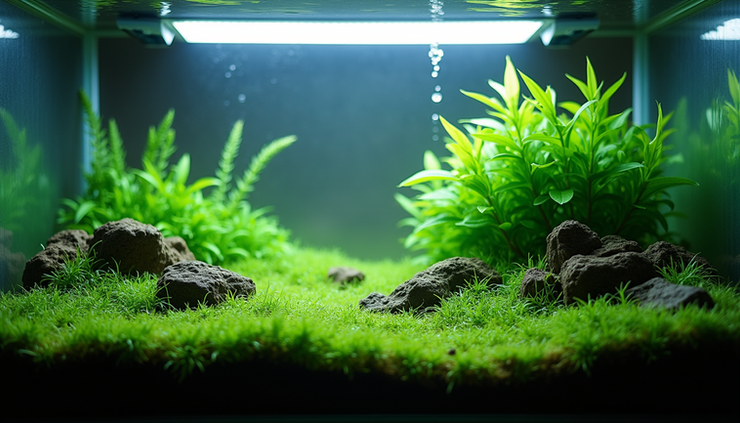
Tips for Using LED Lighting to Maximize Plant Health
Set the right photoperiod: Most aquarium plants thrive with 8 to 10 hours of light daily. Avoid excessive lighting to prevent algae growth.
Monitor plant response: Watch for signs like yellowing leaves or slow growth, which may indicate insufficient or excessive light.
Combine with CO2 and nutrients: Proper lighting works best alongside adequate carbon dioxide and fertilization.
Clean the lights regularly: Dust and water spots can reduce light output.
Troubleshooting Common Lighting Issues
Algae blooms: Reduce light duration or intensity, and check nutrient levels.
Leggy plants: Increase light intensity or move the fixture closer.
Faded colors: Adjust the spectrum to include more red and blue wavelengths.


Comments