
Ultimate Beginner's Guide to Crafting a Beautiful Dutch-Style Planted Aquarium

Creating a Dutch-style planted aquarium offers a unique way to bring nature’s beauty into your home. Unlike naturalistic aquascapes that mimic underwater landscapes, the Dutch style focuses on lush, organized plant arrangements that resemble a vibrant garden. This guide will walk you through the essential steps to build your own Dutch-style aquarium, even if you are new to aquascaping.
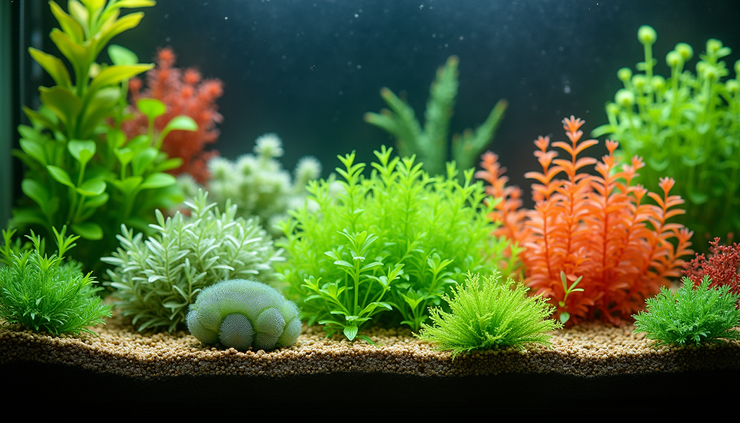
Understanding the Dutch-Style Aquarium
The Dutch-style aquarium emphasizes plant diversity and structure. It originated in the Netherlands in the 1930s and became popular for its garden-like appearance. Instead of focusing on rocks or driftwood, this style highlights a variety of aquatic plants arranged in terraces and rows, creating depth and contrast.
Key features include:
Dense planting with minimal open water
Use of different plant species with contrasting colors and leaf shapes
Clear separation of plant groups using lines and terraces
No hardscape elements like rocks or wood dominating the layout
This style requires attention to detail and patience but rewards you with a stunning, living piece of art.
Choosing the Right Aquarium Setup
Start with a tank size that suits your space and budget. A 20 to 30-gallon tank is ideal for beginners because it offers enough room for plant variety without overwhelming maintenance.
Equipment essentials:
Lighting: Strong, full-spectrum LED lights to support plant growth
Filtration: A reliable filter to keep water clean and oxygenated
CO2 system: Many Dutch-style plants thrive with added CO2 for faster growth and richer colors
Substrate: Nutrient-rich substrate or soil to support root development
Selecting the right equipment ensures your plants will thrive and your aquarium will stay healthy.
Selecting Plants for Your Dutch Aquarium
Plant choice is crucial. The goal is to create a colorful, layered garden effect. Choose plants with different heights, leaf shapes, and colors.
Recommended plants:
Foreground: Glossostigma elatinoides, Hemianthus callitrichoides (dwarf baby tears)
Midground: Cryptocoryne wendtii, Rotala rotundifolia
Background: Vallisneria spiralis, Hygrophila polysperma
Accent plants: Alternanthera reineckii (red leaves), Ludwigia repens
Arrange plants in groups by species and height, with taller plants at the back and shorter ones in front. Use terraces or slopes to add depth and separation.
Planting Techniques and Layout Tips
The Dutch style relies on precision and symmetry. Follow these tips for a successful layout:
Prepare the substrate with a slight slope from back to front to create depth.
Plant in rows or blocks, keeping species grouped together.
Leave narrow pathways or open spaces between groups to highlight each plant.
Trim plants regularly to maintain shape and prevent overcrowding.
Use tweezers for precise planting and avoid disturbing roots.
This approach creates a clean, organized look that showcases each plant’s beauty.

Maintaining Your Dutch-Style Aquarium
Maintenance is key to keeping your aquarium vibrant. Here are essential tasks:
Water changes: Replace 20-30% of water weekly to maintain quality
Fertilization: Use liquid fertilizers or root tabs to supply nutrients
CO2 monitoring: Keep CO2 levels stable, usually around 20-30 ppm
Pruning: Trim plants weekly to encourage bushy growth and prevent shading
Algae control: Avoid excess light and nutrients to prevent algae outbreaks
Regular care keeps your plants healthy and your aquarium looking its best.
Adding Fish and Invertebrates
While the Dutch style focuses on plants, adding fish and invertebrates can enhance the ecosystem. Choose species that won’t disturb plants or substrate.
Good options include:
Small schooling fish like neon tetras or ember tetras
Shrimp species such as cherry shrimp or Amano shrimp for algae control
Snails like nerite snails to help clean algae without harming plants
Avoid large or digging fish that uproot plants or disturb the layout.


Comments