
Ultimate Guide to Growing Live Plants in Your Aquarium

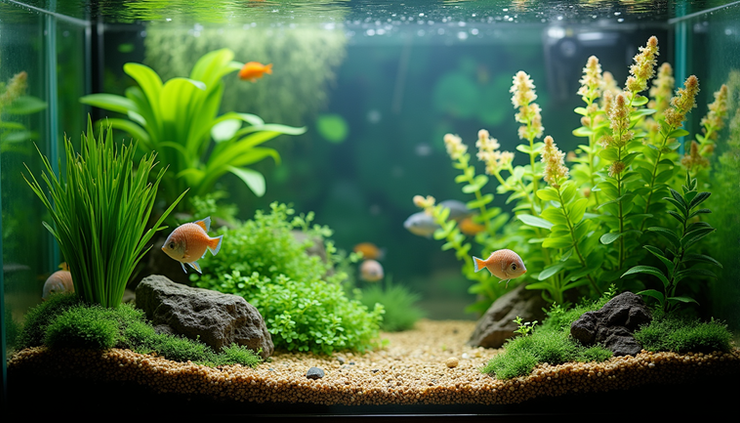
Growing live plants in an aquarium can transform a simple fish tank into a thriving underwater ecosystem. Live plants improve water quality, provide shelter for fish, and create a natural, calming environment. Yet, many aquarium owners struggle with keeping plants healthy and vibrant. This guide offers practical steps to help you successfully grow live plants in your aquarium, whether you are a beginner or looking to improve your current setup.

Choosing the Right Plants for Your Aquarium
Not all aquatic plants have the same needs or growth patterns. Selecting the right species is the first step toward a flourishing planted tank.
Easy-to-grow plants: Java fern, Anubias, and Amazon sword are hardy and require minimal care. They tolerate a wide range of water conditions and low light.
Moderate care plants: Cryptocoryne and Vallisneria need moderate lighting and nutrient levels but reward you with lush growth.
High-maintenance plants: Dwarf hairgrass and carpeting plants require strong lighting, CO2 injection, and nutrient-rich substrate.
Consider your tank size, lighting, and filtration before choosing plants. Smaller tanks benefit from compact species, while larger tanks can support more diverse plant types.
Preparing Your Aquarium for Plant Growth
Healthy plants need a suitable environment. Follow these steps to prepare your aquarium:
Substrate: Use a nutrient-rich substrate designed for planted tanks. Avoid plain gravel, which lacks nutrients.
Lighting: Provide 8 to 10 hours of light daily. Use full-spectrum LED lights designed for plant growth. Avoid direct sunlight to prevent algae blooms.
Water parameters: Most aquatic plants thrive in temperatures between 72°F and 82°F (22°C to 28°C) and a pH of 6.5 to 7.5. Test water regularly to maintain stability.
Filtration and circulation: A gentle filter keeps water clean without disturbing plants. Ensure moderate water flow to distribute nutrients.
Planting and Maintenance Tips
Planting live plants correctly and maintaining them will ensure long-term success.
Planting technique: Gently separate plant roots and bury them in the substrate without damaging them. For plants like Anubias, attach them to rocks or driftwood instead of burying.
Fertilization: Use liquid fertilizers or root tabs to supply essential nutrients like iron, potassium, and nitrogen. Follow product instructions carefully.
CO2 supplementation: Adding CO2 can boost plant growth, especially in tanks with high light levels. DIY CO2 kits or pressurized systems are common options.
Pruning: Trim dead or overgrown leaves regularly to promote healthy growth and prevent decay.
Algae control: Maintain a balance of light and nutrients to prevent algae. Introducing algae-eating fish or snails can also help.
Common Challenges and How to Solve Them
Even with the best setup, problems can arise. Here are solutions to common issues:
Yellowing leaves: Usually a sign of nutrient deficiency, especially iron. Increase fertilization or check water parameters.
Algae overgrowth: Reduce lighting duration, avoid overfeeding fish, and increase water changes. Adding fast-growing plants can outcompete algae.
Plants melting or dying: This can happen when plants adjust to new water conditions. Remove dead parts and ensure stable water parameters.
Slow growth: Check if lighting is sufficient and consider adding CO2 or fertilizers.
Benefits of Live Plants in Your Aquarium
Live plants do more than beautify your tank. They:
Absorb harmful nitrates and improve water quality
Provide hiding spots and breeding grounds for fish
Help oxygenate the water during photosynthesis
Create a natural environment that reduces fish stress


Comments