
Ultimate Guide to Setting Up a Monster Aquarium in Pune for Beginners

Setting up a monster aquarium can be an exciting and rewarding hobby, especially in Pune where the climate and local resources support aquatic life well. If you are new to the world of large aquariums, this guide will walk you through everything you need to know to create a thriving monster aquarium at home. From choosing the right tank to maintaining water quality, you will find practical tips tailored for beginners in Pune.
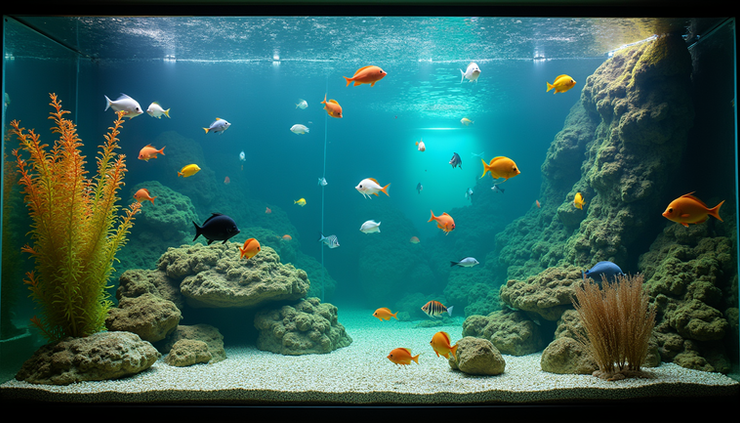
Choosing the Right Aquarium Tank
The first step in setting up a monster aquarium is selecting the right tank size and material. Monster aquariums typically start at 100 gallons and can go much larger depending on your space and budget.
Size: For beginners, a tank between 100 to 200 gallons is manageable and allows room for large fish species.
Material: Glass tanks are durable and scratch-resistant, while acrylic tanks are lighter and offer better clarity but scratch more easily.
Shape: Rectangular tanks provide more swimming space and are easier to fit in rooms compared to bow-front or hexagonal tanks.
In Pune, it’s important to consider the space where you will place the aquarium. Ensure the floor can support the weight, and the location avoids direct sunlight to prevent algae growth.
Selecting Suitable Fish and Plants
Monster aquariums require fish that can grow large and coexist peacefully. Some popular choices for beginners include:
Arowanas: Known for their size and beauty, they need a tank with a secure lid.
Oscar Fish: Hardy and colorful, they adapt well to Pune’s water conditions.
Catfish: Bottom dwellers that help keep the tank clean.
Large Cichlids: Active and vibrant, but watch for territorial behavior.
For plants, choose hardy species that can survive in large tanks and Pune’s water parameters:
Amazon Sword
Java Fern
Anubias
Plants not only enhance the aquarium’s look but also improve water quality by absorbing nitrates.
Setting Up Filtration and Aeration Systems
Maintaining clean and oxygen-rich water is critical for monster aquariums. Invest in a powerful filtration system that can handle the large volume of water and the waste produced by big fish.
Canister Filters: Provide excellent mechanical, chemical, and biological filtration.
Sponge Filters: Useful for biological filtration and gentle water flow.
Powerheads: Help circulate water and improve oxygen levels.
Aeration devices like air pumps and diffusers increase oxygen, especially important in Pune’s warmer months when water oxygen levels drop.
Preparing the Aquarium Environment
Before adding fish, prepare the tank environment carefully:
Cycle the Tank: Establish beneficial bacteria by cycling the tank for 4 to 6 weeks. This process breaks down harmful ammonia and nitrites.
Water Parameters: Test and adjust pH, hardness, and temperature. Most monster fish prefer a pH between 6.5 and 7.5 and temperatures from 24°C to 28°C.
Decorations and Substrate: Use smooth rocks, driftwood, and sand or gravel substrate. Avoid sharp objects that can injure large fish.
Regular water changes (20-30% weekly) help maintain water quality and reduce toxins.

Feeding and Care Tips for Monster Fish
Feeding large fish requires attention to diet and portion sizes:
Varied Diet: Include pellets, frozen foods, live foods, and vegetables depending on the species.
Feeding Schedule: Feed once or twice daily, avoiding overfeeding to prevent water pollution.
Health Monitoring: Watch for signs of illness such as changes in behavior, spots, or discoloration.
Regular tank maintenance includes cleaning filters, checking equipment, and trimming plants.
Finding Local Resources in Pune
Pune offers several options for aquarium supplies and expert advice:
Aquarium Shops: Visit local stores in areas like Shivaji Nagar or Camp for tanks, fish, and equipment.
Online Communities: Join Pune-based aquarium forums and social media groups to connect with experienced hobbyists.
Water Testing Services: Some pet shops provide water testing kits or services to help maintain ideal conditions.
Building relationships with local suppliers ensures access to quality products and support.


Comments