
Ultimate Guide to Setting Up Your Perfect Shrimp Tank

Setting up a shrimp tank can be a rewarding hobby that brings a lively splash of color and activity to your home. Shrimp are fascinating creatures that require specific care to thrive, but with the right setup, you can create a healthy environment where they flourish. This guide walks you through everything you need to know to build and maintain the perfect shrimp tank.
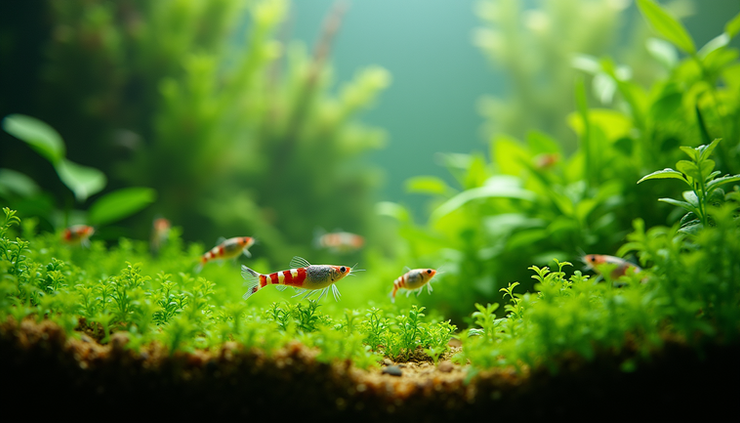
Choosing the Right Tank Size and Location
The first step is selecting a tank that suits your space and shrimp species. A 10-gallon tank is ideal for beginners because it offers enough room for a small colony while being easy to manage. Larger tanks provide more stable water conditions but require more maintenance.
Place your tank in a quiet area away from direct sunlight and temperature fluctuations. Avoid spots near windows or heating vents to keep the water temperature steady. Shrimp prefer temperatures between 72°F and 78°F (22°C to 26°C), so maintaining this range is crucial.
Setting Up the Substrate and Decorations
Shrimp thrive in tanks with natural substrates that support beneficial bacteria and plant roots. Use fine gravel or sand designed for freshwater tanks. Avoid sharp or rough substrates that could harm delicate shrimp legs.
Add live plants such as Java moss, Anubias, or Marimo balls. These plants provide hiding spots, surfaces for biofilm growth (a natural food source), and help maintain water quality by absorbing nitrates. Driftwood and smooth rocks also create shelter and contribute to a natural look.
Installing Filtration and Heating Systems
A gentle filtration system is essential to keep the water clean without creating strong currents that stress shrimp. Sponge filters are a popular choice because they provide biological filtration and are shrimp-safe.
If your room temperature fluctuates, use an adjustable aquarium heater to keep the water stable. Attach a reliable thermometer to monitor the temperature daily. Sudden changes can cause stress or illness in shrimp.
Cycling the Tank Before Adding Shrimp
Before introducing shrimp, cycle your tank to establish beneficial bacteria that break down harmful ammonia and nitrites. This process usually takes 4 to 6 weeks. You can cycle the tank by adding a small amount of fish food or pure ammonia and testing water parameters regularly.
Test kits for ammonia, nitrite, nitrate, and pH are essential tools. Shrimp prefer slightly acidic to neutral water with a pH between 6.5 and 7.5. Keep ammonia and nitrite levels at zero, and nitrate below 20 ppm.
Selecting Shrimp Species and Introducing Them
Popular beginner shrimp species include Cherry shrimp (Neocaridina davidi) and Amano shrimp (Caridina multidentata). Cherry shrimp are hardy and come in various colors, making them a favorite for new hobbyists.
When introducing shrimp, acclimate them slowly to the tank water to avoid shock. Float the sealed bag in the tank for 15 to 20 minutes, then gradually add small amounts of tank water to the bag over an hour before releasing the shrimp.

Feeding and Maintenance Tips
Feed shrimp a balanced diet with specialized shrimp pellets, blanched vegetables like zucchini or spinach, and occasional protein treats such as bloodworms. Avoid overfeeding; feed small amounts once a day and remove uneaten food to prevent water pollution.
Perform weekly water changes of 10-20% to maintain water quality. Use a gravel vacuum to clean the substrate gently without disturbing shrimp. Regularly check water parameters and adjust as needed.
Preventing Common Problems
Shrimp tanks can face issues like algae overgrowth, molting problems, and diseases. To prevent algae, control light exposure to 8-10 hours daily and avoid excess nutrients from overfeeding.
Shrimp molt regularly to grow. Provide plenty of hiding spots during this vulnerable time. If you notice dead shrimp or unusual behavior, test water quality immediately and consider quarantine for new additions.

Creating a Thriving Shrimp Community
A well-maintained shrimp tank becomes a miniature ecosystem. Adding snails like Nerite snails can help control algae and clean leftover food. Avoid aggressive fish species that may prey on shrimp.


Comments