
Understanding the Causes and Solutions for Green Water in Aquariums

Green water in aquariums is a common problem that frustrates many fish keepers. It turns the water into a murky green soup, obscuring the view of fish and plants and often raising concerns about the tank’s health. Understanding why this happens and how to fix it can help you maintain a clear, healthy aquarium that supports vibrant aquatic life.
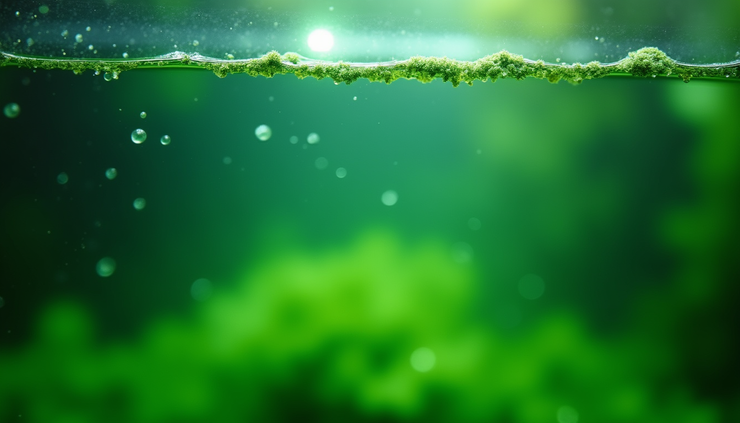
What Causes Green Water in Aquariums?
Green water is caused by a rapid growth of microscopic algae suspended in the water column. These tiny algae cells multiply quickly under certain conditions, turning the water green and cloudy. The main factors that contribute to this algae bloom include:
Excess light: Algae need light to grow. Too much direct sunlight or prolonged artificial lighting can fuel their rapid multiplication.
High nutrient levels: Algae thrive on nutrients like nitrates and phosphates, which come from fish waste, uneaten food, and decaying plants.
Poor water circulation: Stagnant water allows algae to accumulate and spread more easily.
Imbalanced aquarium ecosystem: Lack of natural algae eaters or plants that compete for nutrients can let algae dominate.
For example, a tank placed near a sunny window with daily 12-hour lighting and frequent overfeeding will likely develop green water within days. The excess nutrients and light create the perfect environment for algae to explode.
How to Prevent Green Water from Developing
Prevention is the best way to keep your aquarium water clear. Here are practical steps to reduce the risk of green water:
Control lighting
Limit aquarium light to 8-10 hours per day. Avoid placing the tank where it receives direct sunlight. Use timers to maintain consistent lighting schedules.
Manage feeding
Feed fish only what they can consume in a few minutes. Remove leftover food promptly to prevent nutrient buildup.
Regular water changes
Perform weekly water changes of 10-20% to dilute nutrients and remove algae spores.
Add live plants
Fast-growing plants compete with algae for nutrients, reducing algae growth.
Use algae eaters
Fish like Siamese algae eaters, otocinclus catfish, or snails can help keep algae under control naturally.
Maintain filtration and circulation
Ensure your filter is working efficiently and water circulates well to prevent stagnant areas.
How to Clear Green Water Once It Appears
If your aquarium water has already turned green, don’t panic. Several methods can help clear it up:
Reduce lighting immediately
Cut back on light exposure to slow algae growth. You can even turn off lights for a day or two.
Perform a partial water change
Replace 25-50% of the water to remove algae cells and reduce nutrients.
Use a UV sterilizer
UV sterilizers kill free-floating algae cells as water passes through, clearing green water quickly.
Add activated carbon to filter
Carbon helps remove dissolved organic compounds that feed algae.
Increase live plants
Adding more plants can outcompete algae for nutrients.
Check water parameters
Test nitrate and phosphate levels and address any imbalances with water changes or phosphate removers.
Avoid chemical algaecides
These can harm fish and plants and often only provide temporary relief.
For example, a hobbyist with a green water problem used a UV sterilizer combined with daily partial water changes and reduced lighting. Within a week, the water cleared, and the tank returned to a healthy state.

Long-Term Strategies for a Balanced Aquarium
Keeping green water away requires ongoing care and balance. Consider these long-term strategies:
Regular maintenance schedule
Stick to weekly water changes, filter cleaning, and gravel vacuuming.
Monitor nutrient levels
Use test kits to keep nitrates below 20 ppm and phosphates as low as possible.
Avoid overstocking
Too many fish produce excess waste, increasing nutrients.
Choose compatible species
Include algae-eating fish or invertebrates that fit your tank size and setup.
Maintain plant health
Healthy plants absorb nutrients efficiently and reduce algae chances.
Use quality aquarium products
Good filters, lighting, and substrate support a stable environment.
By following these steps, you create a stable ecosystem where algae cannot take over, keeping your aquarium water clear and your fish healthy.


Comments