
Understanding the Differences Between Aggressive and Peaceful Fish

Choosing the right fish for your aquarium can be challenging, especially when deciding between aggressive and peaceful species. Knowing how these fish behave helps create a balanced tank where all inhabitants thrive. This post explains the key differences between aggressive and peaceful fish, what to expect from each, and how to care for them properly.
What Defines Aggressive Fish
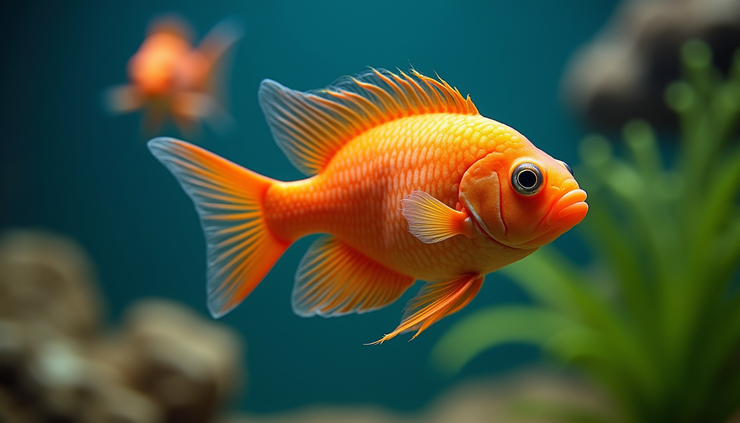
Aggressive fish often show territorial behavior, defending their space vigorously. They may chase, nip, or intimidate other fish, especially those of similar size or appearance. This behavior can cause stress or injury to tank mates if not managed carefully.
Common Traits of Aggressive Fish
Defend territory strongly
Show dominance through chasing or nipping
Require ample space to reduce conflicts
Often brightly colored or have bold patterns
Examples of Aggressive Fish
African Cichlids: Known for their vivid colors and strong territorial instincts.
Betta Fish: Males are highly aggressive toward other males and sometimes other species.
Tiger Barbs: Tend to nip fins of slower or long-finned fish.
Aggressive fish need an environment that respects their nature. Providing hiding spots, plenty of space, and compatible tank mates helps reduce aggression.
Characteristics of Peaceful Fish
Peaceful fish tend to coexist calmly with others. They avoid confrontation and usually swim in groups or schools. These fish are ideal for community tanks where harmony is a priority.
Common Traits of Peaceful Fish
Non-territorial and social
Swim calmly without chasing others
Prefer to be in groups or schools
Often have softer colors and gentle behavior
Examples of Peaceful Fish
Neon Tetras: Small, colorful, and thrive in schools.
Guppies: Friendly and adaptable to many tank setups.
Corydoras Catfish: Bottom dwellers that clean the tank and avoid conflict.
Peaceful fish benefit from a stable environment with plenty of plants and hiding places to feel secure.

How to Manage Aggressive and Peaceful Fish Together
Mixing aggressive and peaceful fish requires careful planning. Aggressive fish can stress or harm peaceful species, so tank setup and species selection are crucial.
Tips for Successful Coexistence
Choose compatible species: Avoid mixing highly aggressive fish with very timid ones.
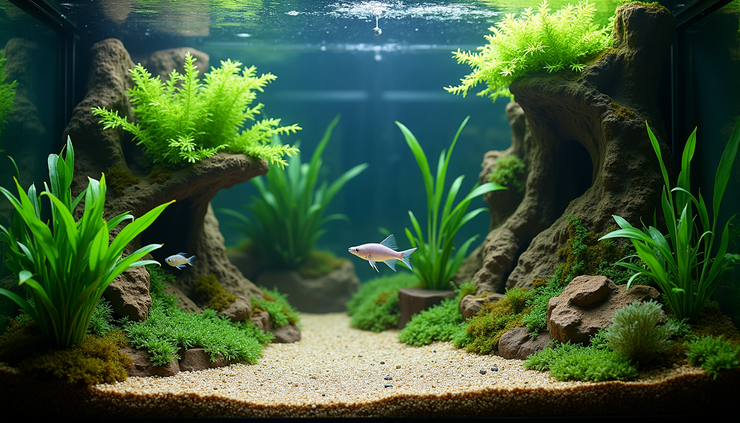
Provide plenty of hiding spots: Plants, rocks, and decorations create safe spaces.
Maintain adequate tank size: Larger tanks reduce territorial disputes.
Observe behavior regularly: Remove or separate fish if aggression becomes harmful.
For example, pairing African cichlids with other aggressive or semi-aggressive species works better than mixing them with small, peaceful fish like neon tetras.
Setting Up Your Aquarium Based on Fish Temperament
Your tank setup should reflect the needs of your fish. Aggressive fish require different conditions than peaceful ones.
Aquarium Setup for Aggressive Fish
Use sturdy decorations to withstand chasing and digging.
Create distinct territories with rocks and caves.
Keep water parameters stable to reduce stress.
Aquarium Setup for Peaceful Fish
Include dense plants and soft substrates.
Provide open swimming areas for schooling fish.
Maintain gentle water flow and consistent temperature.
Adjusting lighting and feeding routines can also help reduce stress and aggression.
Final Thoughts on Choosing Aggressive or Peaceful Fish
Understanding the behavior of aggressive and peaceful fish helps you create a healthy aquarium environment. Aggressive fish need space and compatible tank mates to prevent harm, while peaceful fish thrive in calm, social settings. By matching fish temperament with the right tank setup, you ensure a vibrant and balanced aquatic community.
If you are new to fishkeeping, starting with peaceful species is often easier. As you gain experience, you can explore keeping more aggressive fish with proper care. Always research each species’ needs and behavior before adding them to your tank.


Comments