
Understanding the Reasons Behind Your Fish Fighting

Fish fighting in home aquariums can be frustrating and worrying for any fish keeper. When your peaceful underwater community turns aggressive, it’s natural to ask, why are my fish fighting? Understanding the causes behind this behavior is the first step to creating a calm and healthy environment for your aquatic pets.
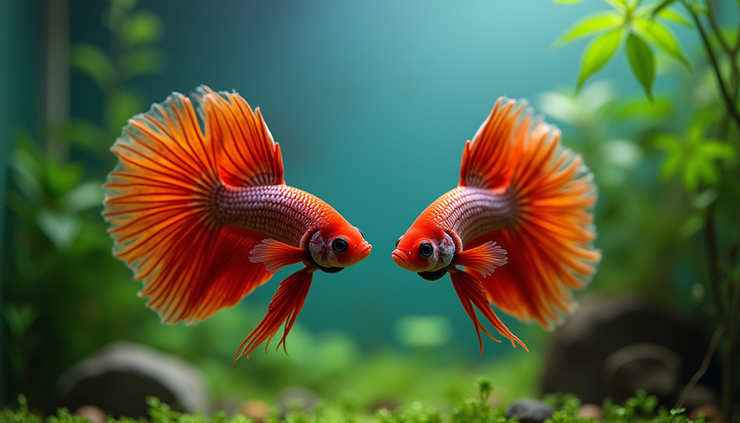
Why Fish Fight in Aquariums
Fish fighting usually happens because of competition or stress. In the wild, fish establish territories, compete for mates, and defend resources. When confined to an aquarium, these natural behaviors can become intensified or misplaced, leading to conflicts.
Here are some common reasons fish fight:
Territorial disputes: Many fish species claim specific areas as their own. When space is limited, they may attack intruders.
Mating competition: Male fish often fight to win the attention of females or to assert dominance.
Overcrowding: Too many fish in a tank increases stress and competition for food and hiding spots.
Incompatible species: Some fish have aggressive tendencies or different social needs that clash.
Poor environment: Lack of hiding places, improper water conditions, or sudden changes can trigger aggression.
How Tank Setup Affects Fish Behavior
The physical setup of your aquarium plays a huge role in fish interactions. A well-designed tank can reduce fighting by giving fish enough space and places to retreat.
Consider these factors:
Tank size: Larger tanks allow fish to spread out and avoid constant contact.
Decor and plants: Rocks, caves, and live plants create natural barriers and hiding spots.
Water quality: Clean, stable water reduces stress that can lead to aggression.
Lighting and noise: Bright lights or loud vibrations may unsettle fish.
For example, a 20-gallon tank with plenty of plants and caves will usually have less fighting than a crowded 10-gallon tank with bare walls.
Choosing Compatible Fish Species
Not all fish get along. Some species are naturally territorial or aggressive, while others prefer to live in groups peacefully.
Tips for selecting fish:
Research species temperament before buying.
Avoid mixing aggressive fish with peaceful ones.
Keep schooling fish in groups of at least 6 to reduce stress.
Separate males of territorial species like bettas or cichlids.
For instance, male bettas are famous for fighting each other, so they should never be kept together in the same tank. Instead, consider community fish like tetras or guppies that thrive in groups.

Signs Your Fish Are Fighting
Recognizing aggressive behavior early helps prevent injuries and stress. Watch for these signs:
Chasing or nipping fins
Flared gills or puffed-up bodies
Torn or missing fins
Hiding or lethargy in some fish
Constant chasing or cornering
If you notice these behaviors, it’s time to act before the fighting escalates.
How to Stop Fish Fighting
Once you understand why your fish are fighting, you can take steps to reduce aggression:
Increase tank size or rearrange decorations to break up territories.
Add more hiding spots like plants, caves, or driftwood.
Separate aggressive fish into different tanks if needed.
Adjust stocking levels to avoid overcrowding.
Feed fish regularly to reduce competition for food.
Maintain excellent water quality with regular testing and changes.
For example, if two male cichlids are fighting, placing a divider or moving one to another tank can save both fish from injury.

Final Thoughts on Fish Fighting
Fish fighting is a common challenge but often preventable with the right knowledge. Understanding fish behavior, choosing compatible species, and creating a comfortable environment will help your fish live peacefully.
If fighting continues despite your efforts, consider consulting an aquarium specialist or vet. Remember, a calm tank means healthier fish and a more enjoyable hobby.


Comments