
Understanding the Reasons Why Fish Hide in Your Aquarium

Fish hiding in an aquarium can puzzle many hobbyists. You might wonder if your fish are sick, stressed, or simply shy. Understanding why fish hide helps you create a healthier environment and enjoy your aquarium more. This post explores common reasons fish seek shelter and offers practical tips to encourage confident, active fish.
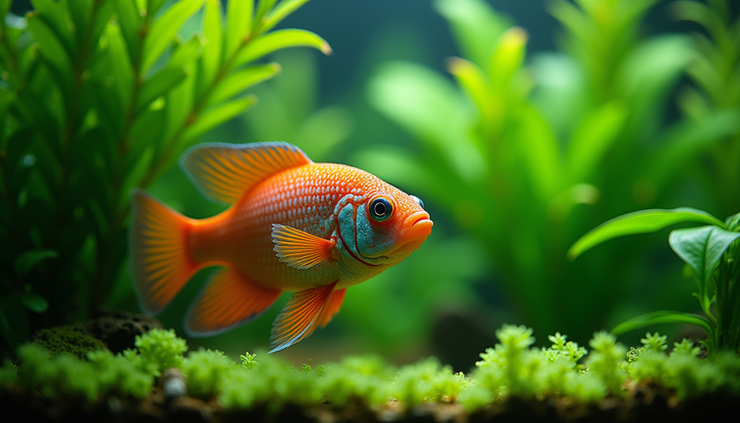
Fish Behavior and Natural Instincts
Fish hiding is often a natural behavior rooted in survival instincts. In the wild, fish use hiding spots to avoid predators, rest safely, or protect their territory. Even in a safe aquarium, these instincts remain strong.
Protection from perceived threats: Sudden movements, loud noises, or unfamiliar people can make fish feel unsafe.
Resting and sleeping: Fish sometimes hide to rest without disturbance.
Territorial behavior: Some species claim specific areas and hide to guard their space.
Recognizing these instincts helps you understand that hiding is not always a sign of illness but a normal part of fish life.
Environmental Factors That Cause Fish to Hide
The aquarium environment plays a major role in fish behavior. If fish hide frequently, it may indicate something is off in their surroundings.
Tank size and layout: Small or overcrowded tanks leave little room for fish to swim freely, encouraging hiding.
Lack of hiding places: Paradoxically, fish may hide more if there are too few shelters like plants, caves, or decorations.
Water quality issues: Poor water conditions such as high ammonia, nitrites, or incorrect pH stress fish and cause them to seek refuge.
Lighting: Bright or harsh lighting can make fish uncomfortable, prompting them to hide in shaded areas.
Temperature fluctuations: Sudden changes in water temperature can stress fish, leading to hiding behavior.
Regularly testing water parameters and adjusting the tank setup can reduce hiding caused by environmental stress.
Species-Specific Hiding Tendencies
Different fish species have unique personalities and hiding habits. Knowing your fish’s natural behavior helps set realistic expectations.
Shy species: Fish like Corydoras catfish, Plecos, and some tetras prefer hiding spots and may spend much of their time out of sight.
Territorial species: Cichlids often hide to defend their territory or during breeding.
Active swimmers: Goldfish and danios usually stay visible but may hide if stressed.
Research your fish species to provide appropriate tank mates, hiding spots, and conditions that suit their nature.
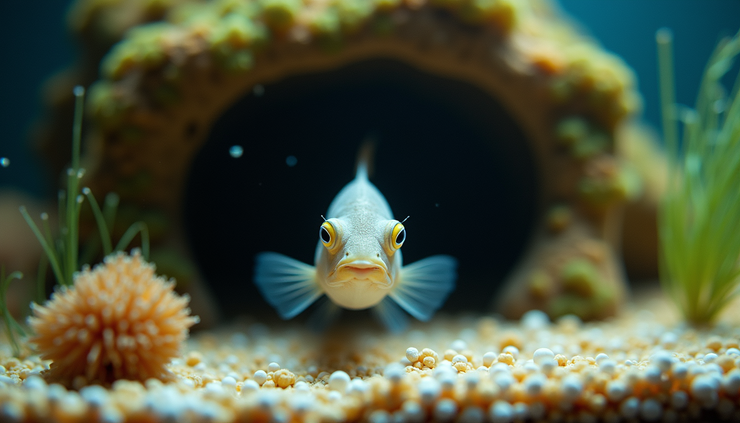
Signs That Hiding Indicates a Problem
While hiding is normal, excessive or sudden hiding can signal health or environmental problems.
Sudden change in behavior: If a usually active fish starts hiding constantly, it may be sick or stressed.
Physical signs: Look for signs like clamped fins, discoloration, or labored breathing.
Tank mates aggression: Bullying or chasing by other fish can force a fish to hide.
Poor water conditions: Test water for ammonia, nitrites, nitrates, and pH imbalances.
If you notice these signs, take immediate steps to improve water quality, isolate aggressive fish, or consult an aquatic veterinarian.
How to Encourage Fish to Come Out of Hiding
Creating a comfortable environment encourages fish to explore and display natural behaviors.
Provide plenty of hiding spots: Use plants, rocks, caves, and decorations to create safe zones.
Maintain stable water conditions: Regular water changes and monitoring keep fish healthy and stress-free.
Adjust lighting: Use dimmable or indirect lighting to reduce stress.
Feed regularly and appropriately: Fish that feel secure will come out for food.
Limit disturbances: Avoid tapping the glass or sudden movements near the tank.
Patience is key. Some fish take time to adjust to new environments or changes.


Comments