
Understanding the Role of CO₂ in Planted Aquariums for Beginners

Starting a planted aquarium can be exciting and rewarding. One question many beginners face is whether they need to add carbon dioxide (CO₂) to their tank. CO₂ plays a crucial role in plant growth, but not every planted tank requires supplementation. This guide will help you understand when and why CO₂ is important, how it affects your plants, and what options you have as a beginner.
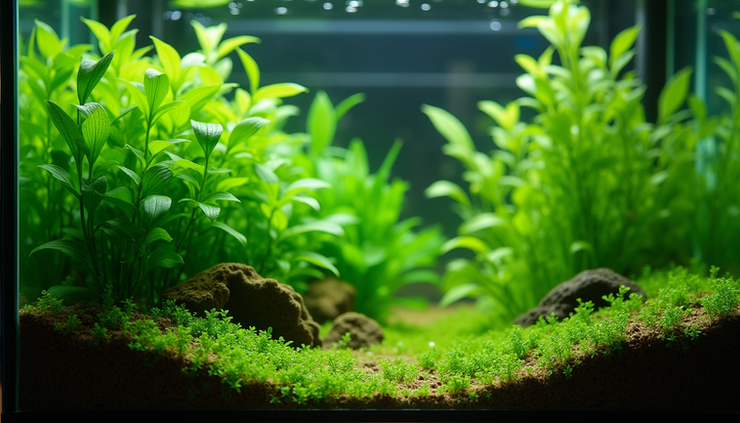
Why CO₂ Matters in a Planted Aquarium
Plants need three main ingredients to grow: light, nutrients, and carbon dioxide. In natural water bodies, CO₂ is available in varying amounts, but in a closed aquarium environment, it can quickly become limited. Without enough CO₂, plants cannot photosynthesize efficiently, which slows their growth and can lead to poor health.
CO₂ is essential because:
It is a key component of photosynthesis, the process plants use to convert light into energy.
It helps plants absorb nutrients more effectively.
It promotes vibrant colors and strong stems in aquatic plants.
If your tank has a high density of plants or you want fast growth and lush greenery, CO₂ supplementation often becomes necessary.
When You Might Not Need CO₂ Injection
Not all planted tanks require CO₂ injection. Many beginners start with low-tech setups that rely on natural CO₂ levels and moderate lighting. Here are some cases where CO₂ injection may not be needed:
Low to moderate light levels: Plants grow slower and require less CO₂.
Hardy, low-demand plants: Species like Java fern, Anubias, and mosses thrive without extra CO₂.
Low plant density: Fewer plants mean less competition for CO₂.
Regular water changes: These can help maintain natural CO₂ levels.
If you notice slow plant growth or yellowing leaves in a low-tech tank, it might be due to insufficient CO₂, but other factors like nutrients or lighting could also be the cause.
How to Add CO₂ to Your Aquarium
If you decide to add CO₂, there are several methods to choose from, each with pros and cons:
Pressurized CO₂ systems: These use a CO₂ cylinder and regulator to deliver precise amounts of gas. They offer the best control but can be costly and require maintenance.
DIY yeast reactors: A budget-friendly option where yeast ferments sugar to produce CO₂. It’s less consistent and harder to control.
Liquid carbon supplements: These provide carbon in a liquid form but are not a direct substitute for gaseous CO₂ and work best in low-tech tanks.
Pressurized systems are recommended for beginners who want to grow demanding plants or maintain a high-tech aquarium. They allow you to adjust CO₂ levels based on plant needs and tank size.

Monitoring and Balancing CO₂ Levels
Adding CO₂ is not just about injecting gas; it requires monitoring to avoid harming fish and maintaining a healthy balance. Too much CO₂ can lower the pH and reduce oxygen levels, stressing aquatic life.
Tips for managing CO₂ safely:
Use a drop checker with a pH indicator to monitor CO₂ concentration.
Start with low CO₂ injection rates and increase gradually.
Observe fish behavior for signs of distress, such as gasping at the surface.
Maintain good water circulation to distribute CO₂ evenly.
Combine CO₂ injection with proper lighting and fertilization for best results.
Balancing CO₂ with other factors ensures plants thrive without compromising fish health.
Benefits of CO₂ for Plant Growth
When used correctly, CO₂ supplementation can transform your planted tank:
Faster growth: Plants grow more quickly and fill the tank.
Stronger plants: Stems become thicker and leaves more robust.
Better colors: Many plants develop deeper greens, reds, or purples.
Reduced algae: Healthy plants outcompete algae for nutrients and light.
For example, stem plants like Ludwigia and Rotala show dramatic improvements with CO₂, making them popular choices for advanced aquascapes.

Final Thoughts on CO₂ in Planted Tanks
CO₂ plays a vital role in planted aquariums, especially for those aiming for lush, fast-growing plants. Beginners can start without CO₂ by choosing low-light plants and maintaining good care routines. If you want to expand your plant selection or improve growth, adding CO₂ is a powerful step.
Start small, monitor your tank closely, and adjust based on plant and fish responses. With the right balance, CO₂ can help you create a beautiful, healthy underwater garden.


Comments