
Why Do Fish Prefer to Stay at the Top of the Tank

Fish behavior in home aquariums often puzzles many hobbyists, especially when they notice their fish lingering near the water surface. Understanding why fish stay at the top of the tank can help you create a healthier environment and ensure your aquatic pets thrive. This article explores the common reasons behind this behavior and offers practical tips for aquarium care.

Oxygen Levels and Breathing Needs
One of the main reasons fish stay at the top of the tank is to access higher oxygen levels. Water near the surface usually contains more dissolved oxygen because it is in contact with the air. Fish breathe by extracting oxygen from the water through their gills, so when oxygen levels drop in the tank, fish instinctively move upward.
Low oxygen can happen for several reasons:
Overcrowding in the tank reduces available oxygen.
Poor water circulation limits oxygen distribution.
High water temperature lowers oxygen solubility.
Lack of live plants or aeration devices.
If you notice your fish gasping at the surface or staying there for long periods, it may indicate insufficient oxygen. Adding an air pump, increasing water movement with filters, or introducing live plants can improve oxygen levels.
Feeding Habits and Food Availability
Fish often associate the water surface with feeding time. Many species are surface feeders or opportunistic eaters that expect food to be dropped from above. This behavior is natural and can explain why fish spend time near the top, especially around feeding.
Some examples include:
Bettas and gouramis, which have upturned mouths designed for surface feeding.
Guppies and tetras, which often pick floating flakes or pellets.
Goldfish, which eagerly snap food from the surface.
If fish stay at the top only during or after feeding, this is normal. However, if they linger there constantly, it could signal other issues like water quality or health problems.
Water Quality and Tank Conditions
Poor water quality can stress fish and cause them to stay near the surface. Ammonia, nitrite, or nitrate buildup from waste can reduce oxygen availability and irritate fish gills. Fish may also avoid the lower parts of the tank if the water is too cold, too warm, or contains toxins.
Signs to watch for include:
Cloudy or smelly water.
Fish showing signs of distress such as rapid gill movement.
Lethargy or unusual swimming patterns.
Regular water testing and maintenance are essential. Perform partial water changes weekly and clean filters to keep the environment safe. Maintaining stable temperature and pH levels also supports fish health.
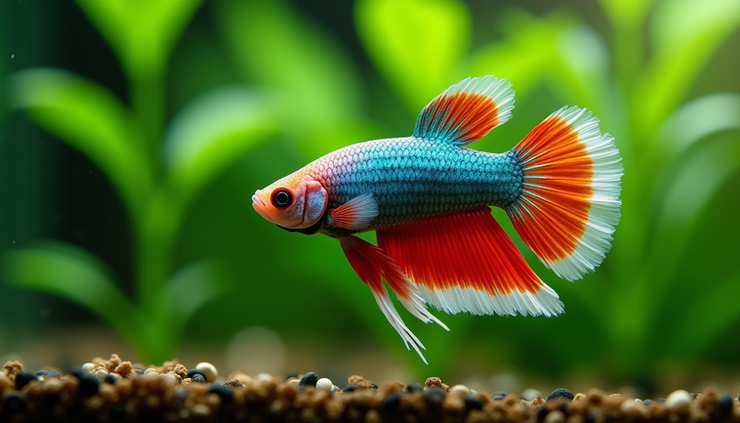
Fish Species and Natural Behavior
Some fish naturally prefer the upper part of the water column due to their species traits. Surface-dwelling fish have evolved to feed, hide, or breed near the top. Understanding your fish species’ natural habits helps explain their tank behavior.
Examples include:
Anabantids like bettas and gouramis that breathe atmospheric air using a labyrinth organ.
Hatchetfish that swim just below the surface and feed on insects.
Killifish that often stay near the top in shallow waters.
Knowing these traits helps you provide the right tank setup, such as floating plants or gentle water flow, to mimic their natural habitat.
Health Issues and Stress Signals
Fish staying at the top can sometimes indicate illness or stress. Conditions like swim bladder disorder affect buoyancy, making it hard for fish to swim normally. Parasites, infections, or poor water quality can also cause fish to seek the surface for relief.
Look for additional symptoms:
Clamped fins or faded colors.
Erratic swimming or floating sideways.
Loss of appetite or hiding.
If you suspect health problems, test water parameters and consider consulting a vet or experienced aquarist. Quarantining sick fish and treating with appropriate medication may be necessary.

Tips to Encourage Healthy Behavior
To prevent fish from staying at the top due to stress or poor conditions, follow these tips:
Maintain good water quality with regular testing and cleaning.
Use an air pump or filter to increase oxygen circulation.
Feed fish appropriate food and avoid overfeeding.
Provide hiding spots and plants to reduce stress.
Match fish species with similar environmental needs.
Monitor fish behavior daily for early signs of problems.
By creating a balanced environment, fish will feel comfortable exploring all parts of the tank.


Comments