
Effective Strategies to Prevent Algae Growth in Your Planted Aquarium

Algae can quickly take over a planted aquarium, turning a beautiful underwater garden into a green mess. Preventing algae growth is a common challenge for aquarium enthusiasts who want to maintain a healthy and visually appealing tank. This post shares practical strategies to keep algae under control, helping your aquatic plants thrive and your aquarium stay clear.

Understand What Causes Algae Growth
Algae thrive when conditions in the aquarium favor their rapid growth. Key factors include:
Excess light: Too much light or light that stays on for too long encourages algae to multiply.
Nutrient imbalance: High levels of nitrates and phosphates from fish waste, uneaten food, or decaying plants feed algae.
Poor water circulation: Stagnant water allows algae to settle and grow on surfaces.
Lack of competition: When aquatic plants are weak or sparse, algae have more space and nutrients to grow.
Knowing these causes helps you target the right solutions to prevent algae before it starts.
Control Lighting to Limit Algae Growth
Lighting is essential for plant growth but can also fuel algae. Follow these tips:
Use a timer to keep aquarium lights on for 6 to 8 hours daily. Avoid leaving lights on overnight.
Choose lighting appropriate for your plant species. High-intensity lights are not always necessary and can promote algae.
Position the aquarium away from direct sunlight, which can cause uncontrolled light exposure.
Consider using LED lights with adjustable intensity to fine-tune the light your plants receive.
By managing light carefully, you reduce the energy algae need to grow without harming your plants.
Maintain Balanced Nutrients in the Aquarium
Algae feed on nutrients like nitrates and phosphates, so controlling these is crucial:
Perform regular water changes, about 20-30% weekly, to remove excess nutrients.
Avoid overfeeding fish; only provide what they can eat in a few minutes.
Use a quality aquarium filter to remove waste and debris efficiently.
Add fast-growing plants such as hornwort or water sprite that absorb nutrients quickly, leaving less for algae.
Test water regularly for nitrate and phosphate levels using aquarium test kits.
Balanced nutrients support healthy plants and limit algae’s food supply.

Improve Water Circulation and Tank Cleanliness
Good water flow prevents algae from settling and spreading:
Use a filter or powerhead to create gentle water movement throughout the tank.
Clean the aquarium glass and decorations regularly to remove algae buildup.
Vacuum the substrate during water changes to remove organic waste.
Avoid overcrowding the tank, which can reduce circulation and increase waste.
Consistent cleaning and circulation keep the environment less hospitable to algae.
Introduce Algae-Eating Species
Certain fish and invertebrates naturally consume algae, helping keep it in check:
Siamese algae eaters and otocinclus catfish are popular algae-eating fish.
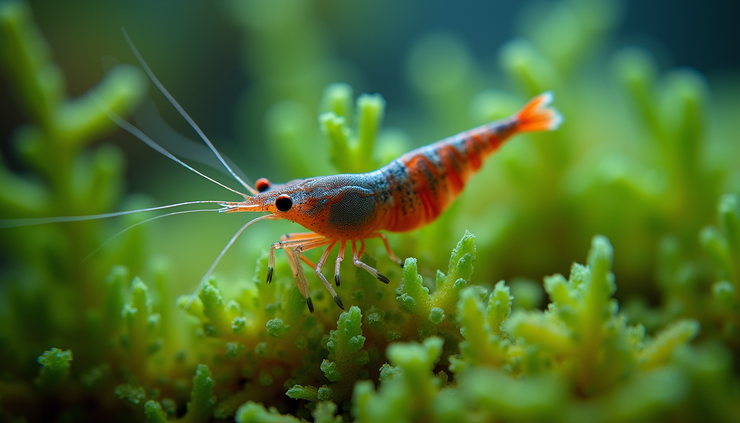
Amano shrimp and nerite snails are effective in controlling algae without harming plants.
Research compatibility with your existing fish and plants before adding new species.
These natural cleaners provide ongoing algae control as part of your aquarium ecosystem.
Monitor and Adjust Regularly
Preventing algae is an ongoing process. Keep these habits:
Observe your aquarium daily for early signs of algae growth.
Adjust lighting, feeding, and water changes based on plant health and algae presence.
Trim dead or decaying plant leaves promptly.
Keep a log of maintenance activities and water parameters to identify patterns.
Regular attention helps catch problems early and maintain a balanced tank.


Comments