
Top Plant Substrate Choices to Boost Your Aquatic Garden Health
- Pooja Blessings
- 15 hours ago
- 3 min read

Creating a thriving aquatic garden depends heavily on the right plant substrate. The substrate acts as the foundation for aquatic plants, providing essential nutrients, anchorage, and a stable environment for root growth. Choosing the best substrate can make a significant difference in plant health, growth rate, and overall aquarium balance. This guide explores the top plant substrate options that support healthy aquatic plants and help your underwater garden flourish.

Why Substrate Matters for Aquatic Plants
Aquatic plants absorb nutrients primarily through their roots, unlike terrestrial plants that rely on soil. The substrate serves as a reservoir for nutrients and minerals, which plants draw upon to grow strong leaves and stems. A good substrate also stabilizes plants, preventing them from floating away or uprooting during water movement.
Without the right substrate, plants may struggle to establish roots, leading to poor growth or even death. Some substrates also influence water chemistry, affecting pH and hardness, which in turn impacts plant health. Therefore, selecting the right substrate is crucial for a balanced aquatic ecosystem.
Common Types of Plant Substrates
1. Aqua Soil
Aqua soil is a popular choice among aquarists because it is rich in organic matter and nutrients. It typically contains decomposed plant materials and clay, which slowly release nutrients over time. This substrate lowers pH and softens water, creating ideal conditions for many tropical aquatic plants.
Advantages:
Provides essential nutrients naturally
Enhances root development
Improves water quality by buffering pH
Supports beneficial bacteria growth
Considerations:
Can initially cloud water when first added
May require regular topping up or replacement after long use
2. Gravel
Gravel is one of the most common substrates due to its availability and ease of use. While it does not contain nutrients, it offers excellent anchorage for plant roots. Gravel is often combined with root tabs or liquid fertilizers to supply nutrients.
Advantages:
Easy to clean and maintain
Provides good water circulation around roots
Durable and long-lasting
Considerations:
Does not supply nutrients on its own
May require additional fertilization for plant growth
3. Sand
Sand offers a fine texture that some aquatic plants prefer for rooting. It creates a natural look and is gentle on delicate roots. Like gravel, sand lacks nutrients and usually needs supplementation.
Advantages:
Smooth texture protects roots
Creates a natural aquatic environment
Easy to shape and layer
Considerations:
Can compact over time, reducing oxygen flow
Needs nutrient supplements for healthy plants

Specialized Substrates for Aquatic Plants
4. Laterite
Laterite is a clay-like material rich in iron and minerals. It is often used as a base layer beneath gravel or sand to provide slow-release nutrients. Laterite supports root growth and helps prevent nutrient deficiencies, especially iron deficiency, which causes yellowing leaves.
Advantages:
High in iron and minerals
Supports long-term nutrient supply
Affordable and natural
Considerations:
Can cloud water if disturbed
Usually used as a base layer, not a standalone substrate
5. Fluorite
Fluorite is a porous clay gravel that holds nutrients well and allows good water flow. It contains iron and other trace elements essential for plant health. Fluorite does not break down quickly, making it a durable substrate option.
Advantages:
Nutrient-rich and porous
Supports beneficial bacteria
Long-lasting and stable
Considerations:
Heavier than other substrates
May require rinsing before use
How to Choose the Right Substrate for Your Aquarium
Selecting the best substrate depends on several factors:
Plant species: Some plants need nutrient-rich substrates, while others thrive in inert substrates with added fertilizers.
Water parameters: Consider how the substrate affects pH and hardness. For example, aqua soil lowers pH, which suits soft water plants.
Maintenance: Some substrates need more frequent replacement or cleaning.
Budget: Nutrient-rich substrates tend to cost more but reduce the need for fertilizers.
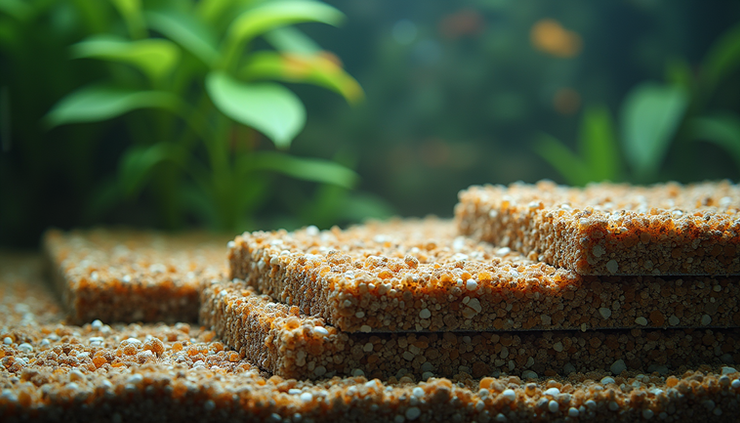
For beginners, a combination of nutrient-rich base layers like laterite or fluorite with a top layer of gravel or sand offers a balanced approach. Experienced aquarists may prefer aqua soil for its all-in-one benefits.
Tips for Maintaining Substrate Health
Avoid disturbing the substrate too much during cleaning to prevent nutrient loss and water cloudiness.
Use root tabs or liquid fertilizers if your substrate lacks nutrients.
Monitor water parameters regularly to ensure substrate is not altering pH or hardness excessively.
Remove decaying plant matter promptly to prevent substrate contamination.
Healthy substrate supports not only plants but also beneficial bacteria that break down waste and maintain water quality.


Comments