
Essential Guide to Properly Cleaning Aquarium Gravel

Keeping your aquarium clean is key to maintaining a healthy environment for your fish and aquatic plants. One area that often gets overlooked is the gravel at the bottom of the tank. Over time, gravel collects uneaten food, fish waste, and debris that can harm water quality. Learning how to clean aquarium gravel properly helps prevent harmful buildup and keeps your tank looking fresh.
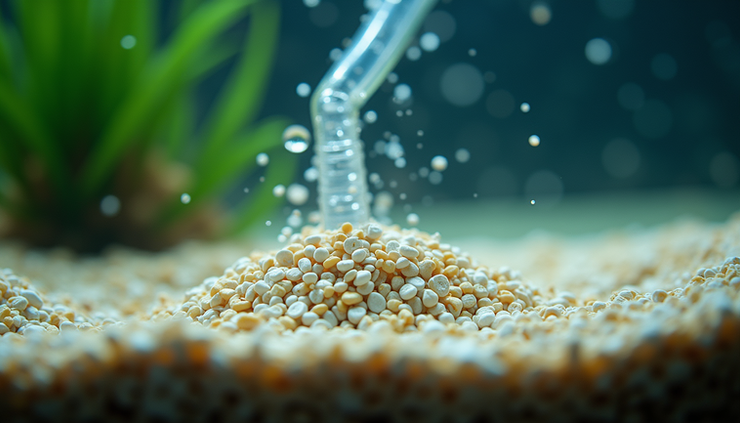
Why Cleaning Aquarium Gravel Matters
Gravel acts as a natural filter by trapping particles and providing surface area for beneficial bacteria. However, if debris accumulates too much, it can:
Release toxins like ammonia and nitrites into the water
Cause cloudy water and unpleasant odors
Encourage algae growth
Stress or harm fish and plants
Regular gravel cleaning removes these harmful substances and supports a balanced ecosystem. It also improves the tank’s appearance by preventing dull, dirty gravel.
How Often Should You Clean Aquarium Gravel?
The frequency depends on tank size, fish population, and feeding habits. A good rule of thumb is:
Small tanks or heavily stocked tanks: clean gravel every 1-2 weeks
Larger tanks with fewer fish: clean gravel every 3-4 weeks
Avoid cleaning all the gravel at once to preserve beneficial bacteria. Instead, clean about 25-30% of the gravel during each session.
Tools You Need for Cleaning Gravel
To clean aquarium gravel properly, gather these tools:
Gravel vacuum or siphon: Removes debris and water simultaneously
Bucket: For collecting dirty water
Algae scraper or sponge: To clean tank walls if needed
Water conditioner: To treat tap water before refilling
Using the right tools makes the process efficient and safe for your aquatic life.
Step-by-Step Guide to Cleaning Aquarium Gravel
Follow these steps for effective gravel cleaning without stressing your fish:
Prepare the equipment
Fill a bucket with tap water and add water conditioner to remove chlorine and chloramines. Set up your gravel vacuum or siphon.
Turn off electrical equipment
Switch off filters, heaters, and lights to avoid accidents during cleaning.
Start siphoning gravel
Place the vacuum tube into the gravel at a slight angle. Push it down gently to suck up debris without pulling up too much gravel. Move the tube slowly across the bottom in sections.
Remove about 25-30% of the water
As you vacuum, dirty water will flow into the bucket. Removing some water helps dilute waste and toxins.
Clean tank walls if needed
Use an algae scraper or sponge to wipe off algae buildup on the glass.
Refill the tank with treated water
Slowly pour the conditioned water back into the tank to avoid disturbing the gravel.
Turn equipment back on
Restart filters, heaters, and lights once the tank is refilled.
Tips for Maintaining Clean Gravel Between Deep Cleanings
Feed fish sparingly to reduce leftover food settling in gravel
Use a fine mesh net to remove floating debris daily
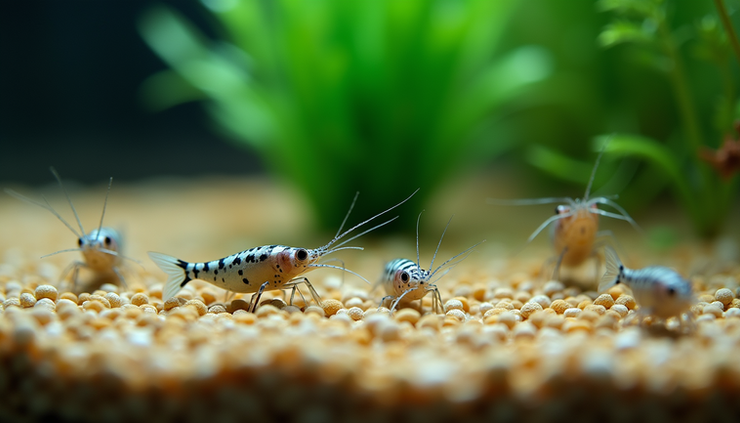
Add bottom-dwelling fish or invertebrates like snails or shrimp that help clean gravel naturally
Monitor water quality regularly with test kits to catch issues early
These habits reduce the frequency of deep gravel cleaning and keep your aquarium healthier.
What to Avoid When Cleaning Aquarium Gravel
Do not use soap or detergents as they can poison fish
Avoid cleaning all gravel at once to preserve beneficial bacteria
Do not stir up gravel too aggressively which can release trapped toxins
Avoid using untreated tap water for refilling, as chlorine harms aquatic life
Following these precautions protects your tank’s balance and fish health.
Signs Your Aquarium Gravel Needs Cleaning
Watch for these indicators that signal it’s time to clean gravel:
Water looks cloudy or smells bad
Algae growth increases noticeably
Fish show signs of stress or illness
Uneaten food or waste is visible on gravel surface
Addressing these signs promptly prevents bigger problems.


Comments