
Essential Water Change Guide for Every Aquarium Owner

Keeping an aquarium healthy and vibrant depends largely on maintaining clean water. Water changes are one of the most effective ways to ensure your fish and plants thrive. Yet, many aquarium owners struggle with when, how, and how much water to change. This guide breaks down everything you need to know about water changes, helping you create a routine that supports a balanced aquatic environment.

Why Water Changes Matter
Water in an aquarium does not stay clean on its own. Fish produce waste, uneaten food decomposes, and plants shed organic material. These factors increase harmful substances like ammonia, nitrites, and nitrates. Over time, these toxins can stress or even kill your fish.
Water changes remove these pollutants and replenish essential minerals. They also help control algae growth and keep the water’s pH stable. Without regular water changes, filters alone cannot maintain a healthy environment.
How Often to Change Aquarium Water
The frequency of water changes depends on several factors:
Tank size: Smaller tanks accumulate waste faster.
Stocking levels: More fish produce more waste.
Filter efficiency: Strong filtration reduces but does not eliminate the need for changes.
Plant presence: Live plants can absorb some waste products.
A common recommendation is to change 10-20% of the water weekly. For heavily stocked or smaller tanks, 20-30% weekly may be necessary. Larger tanks with fewer fish might only need 10% every two weeks.
Test your water regularly to track ammonia, nitrite, and nitrate levels. If nitrates rise above 20-40 ppm, increase the frequency or volume of water changes.
Preparing for a Water Change
Preparation is key to avoid shocking your aquatic life:
Use a water conditioner: Tap water contains chlorine or chloramine, which are toxic to fish. Always treat new water with a conditioner before adding it.
Match water temperature: New water should be within 2°F (1°C) of the tank temperature to prevent stress.
Check pH and hardness: Sudden changes in pH or hardness can harm fish. Try to match these parameters as closely as possible.
Gather tools: Use a siphon hose, bucket, and algae scraper for an efficient process.
Step-by-Step Water Change Process
Turn off electrical equipment: This prevents damage or accidents.
Clean the tank walls: Use an algae scraper or pad to remove buildup.
Siphon water and debris: Use a gravel vacuum to remove water and clean substrate simultaneously.
Remove the correct amount: Stick to your planned percentage, usually 10-20%.
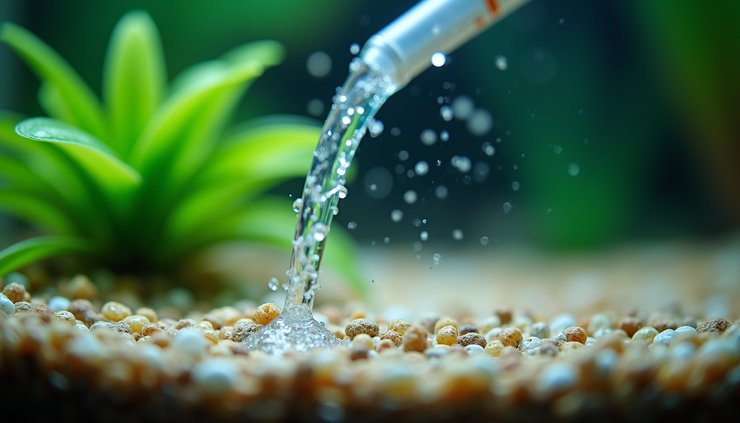
Add treated water: Slowly pour or use a drip method to avoid disturbing fish.
Turn equipment back on: Restart filters, heaters, and lights.
Avoid changing more than 50% of the water at once, as this can cause drastic changes in water chemistry and stress fish.
Tips for Maintaining Water Quality Between Changes
Water changes are essential, but daily care also matters:
Feed fish sparingly: Overfeeding leads to excess waste.
Remove uneaten food: Use a net or siphon to prevent decay.
Monitor fish health: Sick or stressed fish can indicate water problems.
Clean filters regularly: Rinse filter media in tank water to preserve beneficial bacteria.
Test water weekly: Use test kits to track ammonia, nitrite, nitrate, and pH.
Special Considerations for Different Aquarium Types
Saltwater tanks: Require more precise water changes due to sensitive marine life. Use pre-mixed saltwater or mix your own with RO/DI water.
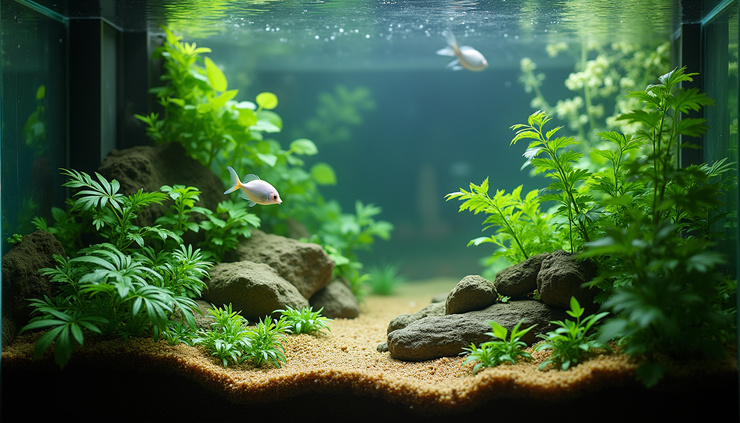
Planted tanks: May need fewer water changes if plants are healthy and nutrient levels are balanced.
Breeding tanks: Frequent small water changes help maintain optimal conditions for fry.
Common Mistakes to Avoid
Changing too much water at once, causing stress.
Using untreated tap water.
Ignoring water parameter changes.
Skipping regular testing.
Neglecting filter maintenance.
Final Thoughts on Water Changes
Regular water changes are the foundation of a healthy aquarium. By removing toxins and replenishing minerals, you create a stable environment where fish and plants can flourish. Develop a schedule based on your tank’s needs, prepare water carefully, and monitor conditions closely. This simple routine will keep your aquarium clear, vibrant, and full of life.


Comments