
How to Cycle an Aquarium the Easy Way
Starting a new aquarium can be exciting, but cycling it properly is essential for a healthy environment. Cycling an aquarium means establishing beneficial bacteria that break down harmful waste products. Without this process, fish can suffer from toxic ammonia and nitrite levels. This guide explains how to cycle your aquarium the easy way, so you can enjoy a thriving aquatic habitat with less stress.

What Does Cycling an Aquarium Mean?
Cycling refers to the nitrogen cycle in your tank. Fish produce waste that releases ammonia, which is toxic to them. Beneficial bacteria convert ammonia into nitrites, which are also harmful but less so. Another group of bacteria then converts nitrites into nitrates, which are much safer in low concentrations. Cycling allows these bacteria colonies to grow and balance the tank’s chemistry.
Why Is Cycling Important?
New tanks lack these bacteria, so ammonia and nitrite levels can spike quickly, poisoning fish. Cycling prevents this by creating a natural filter. Without cycling, fish can get sick or die within days. Taking the time to cycle your aquarium means healthier fish and less maintenance later.
Easy Steps to Cycle Your Aquarium
1. Set Up Your Tank
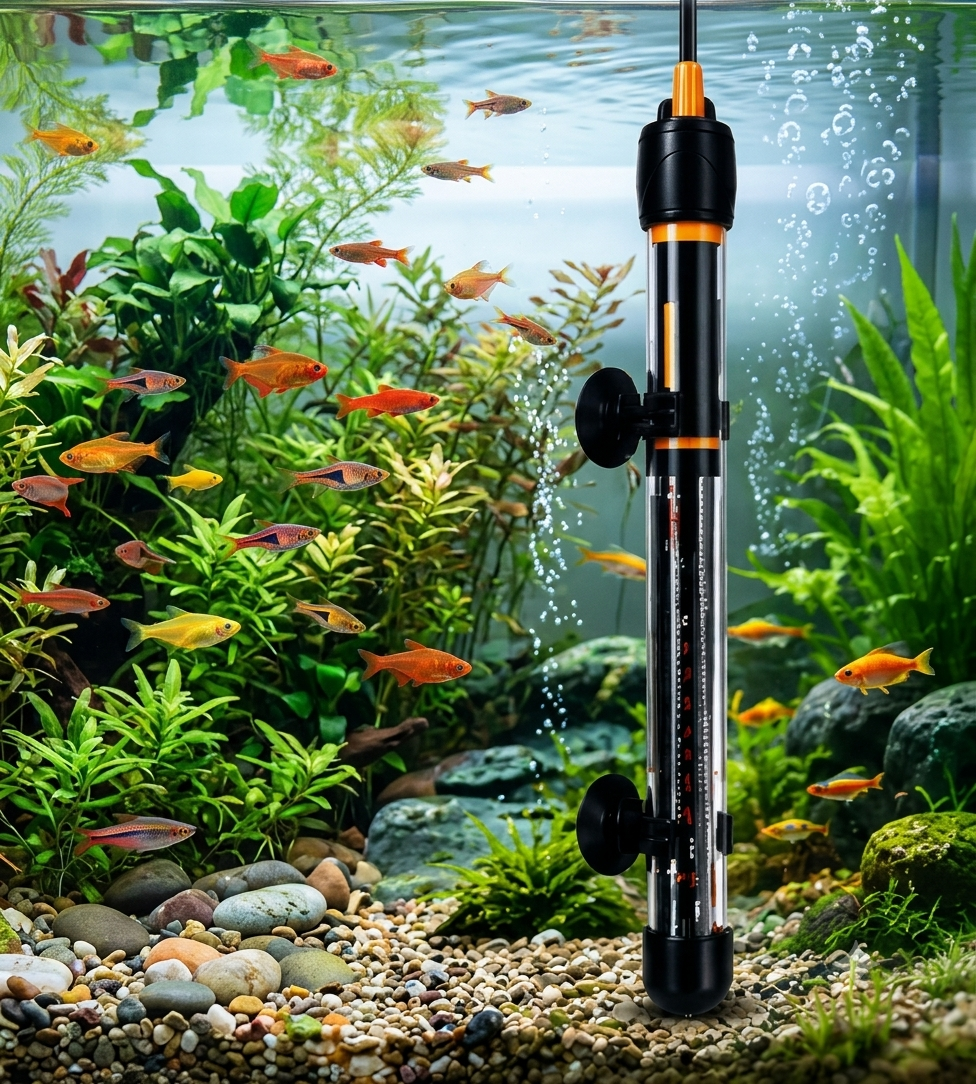
Fill your aquarium with water and add a filter and heater if needed. Use a water conditioner to remove chlorine and chloramine from tap water. Add decorations and substrate to create a natural environment.
2. Add an Ammonia Source
You need ammonia to feed the bacteria. You can do this by:
Adding a few hardy fish (not recommended for beginners)
Using pure ammonia (make sure it has no additives)
Adding fish food or a raw shrimp that will decompose
Pure ammonia is the easiest and safest method for beginners.
3. Test Water Regularly
Use an aquarium test kit to check ammonia, nitrite, and nitrate levels. At first, ammonia will rise as bacteria start growing. Then nitrites will increase, followed by nitrates. This process usually takes 4 to 6 weeks.
4. Wait for the Cycle to Complete
The cycle is complete when ammonia and nitrite levels drop to zero, and nitrates rise. This means beneficial bacteria are established. You can do a partial water change to reduce nitrates before adding fish.
5. Add Fish Slowly
Start with a few fish and monitor water quality. Adding too many fish at once can overwhelm the bacteria. Gradually increase your fish population over several weeks.
Tips to Speed Up Cycling
Use filter media or gravel from an established tank to introduce bacteria.
Keep the water temperature stable around 75°F (24°C) to encourage bacteria growth.
Avoid cleaning the filter or substrate too much during cycling, as this removes bacteria.
Use bacterial supplements available at pet stores to boost bacteria populations.
What to Avoid During Cycling
Don’t add too many fish at once.
Avoid using medications that kill bacteria.
Don’t change all the water at once; partial changes are better.
Taking these precautions ensures the bacteria can grow and protect your fish.


Comments