
Understanding the Aggressive Behavior of Oscar Fish

Oscar fish are popular among aquarium enthusiasts for their vibrant colors and engaging personalities. Yet, many new fish keepers wonder if these fish are aggressive and how to manage their behavior in a home aquarium. This post explores the nature of Oscar fish aggression, what triggers it, and how to create a peaceful environment for these fascinating creatures.
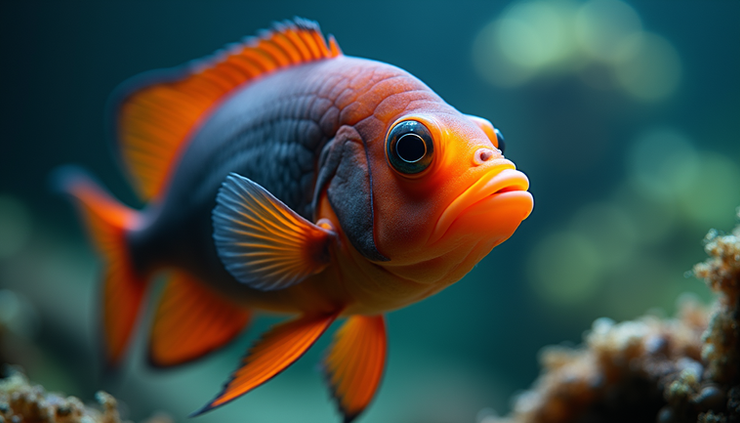
What Makes Oscar Fish Seem Aggressive?
Oscar fish belong to the cichlid family, which is known for territorial behavior. Their aggression often comes from natural instincts to protect their space, especially in confined environments like aquariums. This territorial nature can make them appear hostile toward other fish or even their owners during feeding time.
Several factors influence this behavior:
Tank size: Smaller tanks increase stress and competition for space.
Tank mates: Incompatible species can provoke fights.
Breeding: Oscars become more protective and aggressive when guarding eggs or fry.
Feeding habits: Competition for food can lead to nipping or chasing.
Understanding these triggers helps fish keepers anticipate and reduce aggressive episodes.
How to Identify Aggressive Behavior in Oscar Fish
Recognizing signs of aggression early can prevent injuries and stress for all fish in the tank. Common behaviors include:
Chasing or nipping at other fish
Flared fins and gill covers
Rapid swimming toward perceived threats
Guarding specific areas, such as caves or plants
If you notice these signs, it’s a cue to evaluate the tank setup or the social dynamics among your fish.
Managing Aggression Through Tank Setup
Creating the right environment can significantly reduce aggressive behavior in Oscar fish. Here are some practical tips:
Provide ample space: Oscars grow large, often reaching 12-14 inches. A tank of at least 75 gallons is recommended for one Oscar, with more space needed for additional fish.
Use decorations wisely: Rocks, driftwood, and plants create hiding spots and break sight lines, reducing territorial disputes.
Choose compatible tank mates: Avoid small or slow-moving fish that Oscars might bully. Larger, robust species like silver dollars or certain catfish work better.
Maintain water quality: Clean water reduces stress, which can otherwise increase aggression.
By adjusting the tank environment, you can create a more harmonious space for your Oscar fish.

Feeding and Handling to Minimize Aggression
Feeding time can be a flashpoint for aggressive behavior. Oscars are known to be enthusiastic eaters and may become territorial around food. To manage this:
Feed multiple spots: Distribute food in different areas to reduce competition.
Use sinking pellets: These help avoid surface fights and allow Oscars to feed at their own pace.
Avoid overfeeding: Excess food can cause water quality issues and increase aggression due to stress.
Handle with care: Oscars can recognize their owners but may nip if startled. Use nets gently and avoid sudden movements.
These steps help keep feeding a calm and safe activity.
When Aggression Becomes a Problem
Sometimes, despite best efforts, Oscar fish aggression can escalate. Signs that aggression is harming your fish include:
Visible injuries or torn fins
Constant chasing leading to exhaustion
Stress-related illnesses
In such cases, consider separating aggressive individuals or rehoming some fish. Providing a species-only tank or increasing tank size can also help.

Final Thoughts on Oscar Fish Aggression
Oscar fish are not inherently aggressive but display territorial behavior that can become problematic in confined spaces or with incompatible tank mates. Understanding their natural instincts and providing a suitable environment reduces conflicts and promotes healthy interactions.


Comments