Search Results
1202 results found with an empty search
- What Do Goldfish Eat? Complete Feeding Guide for Healthy and Happy Goldfish
What Do Goldfish Eat? Goldfish are among the most popular aquarium fish, known for their vibrant colors and friendly nature. One of the most common questions new fish keepers ask is, "What do goldfish eat?" Goldfish are omnivores, meaning they eat both plant-based and protein-rich foods. Providing a balanced diet is essential for their growth, color development, and overall health. Best Foods for Goldfish 1. Goldfish Pellets and Flakes High-quality goldfish pellets and flakes are the foundation of a healthy diet. They are specially formulated with the nutrients goldfish need. Benefits: Balanced nutrition Easy to digest Supports growth and color enhancement 2. Vegetables Goldfish enjoy a variety of vegetables, including: Peas (shelled and boiled) Spinach Lettuce Cucumber Zucchini Vegetables provide fiber and help prevent digestive issues. 3. Live and Frozen Foods Occasional protein-rich treats include: Bloodworms Brine shrimp Daphnia Mosquito larvae These foods mimic their natural diet and encourage active behavior. 4. Aquarium Plants Goldfish may nibble on soft aquatic plants in the aquarium. This is natural and helps supplement their diet. How Often Should You Feed Goldfish? A good feeding schedule is: Feed 2–3 times daily. Offer only the amount they can eat within 2–3 minutes. Remove uneaten food to maintain water quality. Overfeeding is one of the biggest causes of aquarium problems. Foods Goldfish Should Avoid Avoid feeding: Bread Biscuits Rice Processed human foods Oily or spicy foods Large amounts of meat These foods can cause digestive issues and pollute aquarium water. Signs Your Goldfish Are Getting Proper Nutrition Healthy goldfish typically show: Bright colors Active swimming Healthy appetite Steady growth Smooth scales and fins If your fish appear sluggish or stop eating, review their diet and water quality. Common Goldfish Feeding Mistakes Overfeeding Excess food decomposes and affects water quality. Feeding Only One Type of Food A varied diet provides better nutrition. Skipping Vegetables Fiber is important for goldfish digestion. Feeding Large Food Pieces Always provide appropriately sized food for easy consumption. Special Feeding Tips for Fancy Goldfish Fancy goldfish are more prone to digestive issues. Consider: Sinking pellets instead of floating food Feeding boiled peas weekly Offering smaller meals multiple times a day This helps reduce the risk of swim bladder problems. Seasonal Feeding Guide Summer Goldfish are more active and may require slightly more food. Winter Their metabolism slows down, so feed less frequently and avoid overfeeding. Conclusion Goldfish thrive on a balanced diet consisting of quality pellets or flakes, vegetables, and occasional protein-rich treats. Proper feeding habits not only improve growth and color but also help maintain excellent water quality. For premium goldfish food, aquarium supplies, and expert fishkeeping advice, visit Blessings Aquarium Pune. We offer everything you need to keep your goldfish healthy, active, and beautiful.
- Can Goldfish Live Without an Oxygen Pump? Complete Guide for Aquarium Owners
Goldfish are hardy fish, but they still need a sufficient supply of oxygen to stay healthy. A common question among aquarium owners is: Can goldfish live without an oxygen pump? The answer is yes, goldfish can survive without an oxygen pump under certain conditions, but it depends on factors such as tank size, water movement, stocking levels, and filtration. In many aquariums, a good filter creates enough surface agitation to allow oxygen exchange. However, in overcrowded tanks or during hot weather, an oxygen pump can be extremely beneficial. How Goldfish Get Oxygen Goldfish absorb dissolved oxygen from the water through their gills. Oxygen enters the aquarium through: Surface water movement Aquarium filters Air pumps and air stones Live aquatic plants (during daylight) The more movement at the water surface, the better the oxygen exchange. When Goldfish Can Live Without an Oxygen Pump Your goldfish may not need a separate oxygen pump if: The aquarium has an efficient filter. The tank is not overcrowded. Water temperature remains cool. Regular water changes are performed. The water surface has adequate movement. In these situations, the filter may provide enough oxygenation for the fish. Signs Your Goldfish Need More Oxygen Watch for these warning signs: Fish gasping at the water surface Rapid gill movement Lethargic behavior Loss of appetite Fish gathering near filter outlets If you notice these symptoms, increase aeration immediately. Benefits of Using an Oxygen Pump Adding an air pump offers several advantages: Better Oxygen Levels Air pumps help increase dissolved oxygen, especially in heavily stocked tanks. Improved Water Circulation They prevent stagnant areas where oxygen levels can drop. Reduced Fish Stress Stable oxygen levels help goldfish stay active and healthy. Support During Power Outages Battery-operated air pumps can help protect fish during emergencies. How to Increase Oxygen Without an Air Pump If you do not have an oxygen pump, try these methods: Lower the water temperature slightly. Increase filter flow. Reduce overcrowding. Perform regular water changes. Keep the water surface clean. Add live aquarium plants. These steps can improve oxygen availability naturally. Ideal Tank Conditions for Goldfish For healthy goldfish, maintain: Temperature: 18°C–24°C Good filtration system Regular water changes Adequate swimming space Proper oxygenation A larger tank generally provides more stable oxygen levels than a small aquarium. Common Mistakes to Avoid Keeping too many goldfish in a small tank Turning off the filter for long periods Ignoring signs of oxygen deficiency Overfeeding fish Allowing water quality to deteriorate These issues can quickly lead to stress and health problems. Conclusion Goldfish can live without a dedicated oxygen pump if the aquarium has proper filtration and sufficient water movement. However, an air pump provides additional oxygen, improves circulation, and creates a healthier environment, especially in crowded tanks or during warmer months. If you're looking for healthy goldfish, aquarium accessories, air pumps, filters, or expert fishkeeping advice, visit Blessings Aquarium Pune. Our team can help you create the perfect environment for your goldfish to thrive.
- Best Tank Size for Goldfish: A Complete Guide for Beginners
Goldfish are among the most popular aquarium fish, but many owners underestimate how much space they actually need. Choosing the right tank size is one of the most important factors for keeping goldfish healthy, active, and long-lived. At Blessings Aquarium Pune, we often help customers select the ideal aquarium setup for their goldfish. Why Tank Size Matters for Goldfish Goldfish produce a large amount of waste compared to many other aquarium fish. A larger tank helps maintain better water quality, provides adequate swimming space, and reduces stress. Small bowls and tiny tanks can lead to poor water conditions, stunted growth, and health problems. Recommended Tank Sizes for Goldfish Fancy Goldfish Fancy goldfish varieties such as Orandas, Black Moors, Ryukins, and Fantails require: Minimum 20–30 gallons (75–115 liters) for one fish Add 10 gallons (38 liters) for each additional fish A 40-gallon tank is ideal for two fancy goldfish Common, Comet, and Shubunkin Goldfish These single-tail goldfish grow much larger and need more swimming space. Minimum 40–55 gallons (150–210 liters) for one fish Add 10–15 gallons for each additional fish Large ponds are often the best long-term option Benefits of a Larger Goldfish Tank Better Water Quality More water volume helps dilute harmful waste and keeps ammonia levels stable. Healthier Fish Growth Goldfish can grow surprisingly large when kept in proper conditions. Adequate space supports natural development and reduces the risk of stunting. Easier Maintenance Larger tanks are generally more stable and require less frequent emergency maintenance than small tanks. Ideal Goldfish Tank Setup For the best results: Use a powerful filtration system Provide good water circulation and oxygenation Perform regular water changes Avoid overcrowding Choose a tank that is longer rather than taller for better swimming space Common Mistakes to Avoid Keeping goldfish in bowls Overstocking the aquarium Using weak filtration Ignoring future growth size Skipping regular water testing Final Thoughts The best tank size for goldfish depends on the type and number of fish you plan to keep. As a general rule, bigger is always better. A properly sized aquarium helps your goldfish thrive, reduces maintenance issues, and creates a beautiful aquatic display for years to come. If you're unsure which aquarium is right for your goldfish, the experts at Blessings Aquarium Pune can help you choose the perfect setup.
- Complete Goldfish Care Guide for Beginners
Goldfish are among the most popular aquarium fish worldwide due to their attractive appearance, peaceful nature, and relatively easy care requirements. However, many beginners mistakenly believe that goldfish can thrive in small bowls with minimal maintenance. In reality, goldfish require proper tank conditions, quality nutrition, and regular care to stay healthy and live a long life. At Blessings Aquarium Pune, we help aquarium enthusiasts choose the right setup and provide expert guidance for successful goldfish keeping. Why Choose Goldfish for Your Aquarium? Goldfish are ideal for beginners because they: Are hardy and adaptable Come in various colors and varieties Have a peaceful temperament Can live for 10–20 years with proper care Are enjoyable to watch and interact with Popular varieties include Common Goldfish, Comet Goldfish, Fantail Goldfish, Oranda Goldfish, and Ryukin Goldfish. Choosing the Right Tank Size One of the biggest mistakes beginners make is keeping goldfish in small bowls. Recommended Tank Size: Minimum 20 gallons (75 liters) for one goldfish Add 10–15 gallons for each additional fish Larger tanks provide better water stability and healthier fish growth Goldfish produce a significant amount of waste, making spacious tanks essential. Setting Up the Perfect Goldfish Aquarium Essential Equipment: Aquarium tank Powerful filtration system Air pump (optional but beneficial) Water conditioner Gravel or smooth substrate Aquarium plants and decorations Ideal Water Parameters: Temperature: 18°C–24°C pH Level: 7.0–8.0 Ammonia: 0 ppm Nitrite: 0 ppm Nitrate: Below 40 ppm Maintaining clean water is crucial for preventing diseases. Feeding Your Goldfish Goldfish are omnivores and need a balanced diet. Best Foods for Goldfish: High-quality goldfish pellets Goldfish flakes Bloodworms Brine shrimp Peas (shelled) Spinach and leafy greens Feeding Tips: Feed 2–3 times daily Offer only what they can consume within 2 minutes Avoid overfeeding, as it causes water pollution and health problems Importance of Filtration Goldfish create more waste than many tropical fish species. A strong filtration system helps: Remove waste particles Maintain water clarity Support beneficial bacteria Reduce harmful toxins Choose a filter rated for a tank larger than your aquarium size for the best results. Regular Maintenance Routine Weekly Tasks: Change 20–30% of the water Clean algae from glass Test water parameters Remove uneaten food Monthly Tasks: Rinse filter media in aquarium water Inspect equipment for proper functioning Consistent maintenance keeps your goldfish healthy and active. Common Goldfish Health Problems 1. Swim Bladder Disorder Symptoms: Floating sideways Difficulty swimming Solution: Feed boiled peas Reduce overfeeding 2. White Spot Disease (Ich) Symptoms: White spots on body and fins Scratching against decorations Solution: Use appropriate medication Improve water quality 3. Fin Rot Symptoms: Frayed or damaged fins Solution: Maintain clean water Treat with suitable medication Early detection greatly improves recovery. Best Tank Mates for Goldfish Suitable companions include: Other goldfish varieties White Cloud Mountain Minnows Weather Loaches (in larger tanks) Avoid aggressive or tropical fish that require warmer water. Common Beginner Mistakes to Avoid Keeping goldfish in bowls Overfeeding Skipping water changes Overstocking the aquarium Not cycling the tank before adding fish Avoiding these mistakes will help your goldfish thrive. Why Buy Goldfish from Blessings Aquarium Pune? At Blessings Aquarium Pune, we offer: Healthy and active goldfish Quality aquarium tanks and accessories Expert guidance for beginners Fish food, filters, and maintenance products Professional aquarium setup support Whether you're starting your first aquarium or upgrading your setup, our team is here to help. Watch Video: How to take care of a gold fish Conclusion Goldfish can be wonderful pets when given the proper care and environment. By providing a spacious tank, quality filtration, nutritious food, and regular maintenance, you can enjoy healthy and vibrant goldfish for many years. Visit Blessings Aquarium Pune for expert advice, premium aquarium products, and healthy goldfish to begin your fishkeeping journey.
- Why Is My Fish Swimming Sideways? Causes, Treatment, and Prevention Guide
If you notice your fish swimming sideways, floating awkwardly, or struggling to maintain balance, it could be a sign of an underlying health issue. While this behavior can be alarming, identifying the cause early can help save your fish and prevent further complications. At Blessings Aquarium Pune, we often receive questions from aquarium hobbyists about fish swimming abnormally. This guide explains the common causes, treatments, and preventive measures to keep your fish healthy. Why Is My Fish Swimming Sideways? A fish swimming sideways is usually experiencing difficulty controlling its buoyancy or balance. Several factors can contribute to this condition. Common Causes of Fish Swimming Sideways 1. Swim Bladder Disorder The swim bladder is an internal organ that helps fish maintain balance in the water. When it becomes damaged or compressed, fish may: Swim sideways Float upside down Sink to the bottom Struggle to stay upright Causes of Swim Bladder Problems: Overfeeding Constipation Poor water quality Internal infections Injury 2. Poor Water Quality Dirty aquarium water can stress fish and affect their overall health. Check for: High ammonia levels High nitrite levels Incorrect pH levels Low oxygen levels Regular water testing and maintenance are essential for fish health. 3. Overfeeding and Constipation Feeding too much food can cause digestive issues that put pressure on the swim bladder. Signs: Bloated abdomen Difficulty swimming Reduced appetite Floating sideways Fasting the fish for 24–48 hours may help in mild cases. 4. Bacterial or Parasitic Infections Certain infections can affect the nervous system or internal organs, leading to balance problems. Symptoms: Lethargy Loss of appetite Swelling Unusual swimming patterns Prompt treatment is important to prevent the condition from worsening. 5. Physical Injury Fish can injure themselves by: Fighting with tank mates Hitting decorations Jumping from the tank Injuries may affect balance and swimming ability. 6. Stress and Environmental Changes Sudden changes in temperature, pH, or tank conditions can cause fish to behave abnormally. Stress Triggers: Rapid water changes New tank setup Aggressive fish Overcrowding Reducing stress often helps fish recover faster. How to Treat a Fish Swimming Sideways Improve Water Quality Test aquarium water immediately Perform a 20–30% water change Clean the filter if necessary Remove uneaten food and waste Reduce Feeding If constipation is suspected: Stop feeding for 24–48 hours Feed small portions afterward Offer easily digestible foods Isolate Sick Fish Use a quarantine tank if: Infection is suspected Other fish are showing symptoms Medication is required Monitor Temperature Ensure the water temperature matches the needs of your fish species. Use Appropriate Medication If bacterial infections are present, aquarium medications may be necessary. Consult an aquarium expert before treatment. How to Prevent Swim Bladder and Balance Problems Maintain Clean Water Weekly water changes Regular filter maintenance Routine water testing Avoid Overfeeding Feed only what fish can consume within a few minutes. Choose Compatible Tank Mates Aggressive fish can cause injuries and chronic stress. Provide a Balanced Diet High-quality fish food supports proper digestion and overall health. Keep Water Parameters Stable Avoid sudden changes in: Temperature pH Water hardness When Should You Be Concerned? Seek help if your fish: Cannot swim upright for several days Stops eating completely Shows signs of infection Develops swelling or sores Becomes extremely lethargic Early diagnosis improves the chances of recovery. Conclusion Fish swimming sideways is often caused by swim bladder disorders, poor water quality, overfeeding, infections, or injuries. By maintaining a clean aquarium, feeding properly, and monitoring your fish regularly, you can prevent most balance-related problems. If you need expert aquarium guidance, fish health products, quality fish food, or aquarium maintenance support, visit Blessings Aquarium Pune. Our experienced team can help you keep your aquarium healthy and your fish thriving.
- How to Reduce Fish Stress in Aquarium: A Complete Guide for Healthy and Happy Fish
Fish stress is one of the most common causes of illness, poor growth, and unexpected deaths in aquariums. Whether you are a beginner or an experienced fish keeper, understanding how to reduce stress in your aquarium is essential for maintaining healthy and vibrant fish. At Blessings Aquarium Pune, we help aquarium enthusiasts create the perfect environment for their aquatic pets. In this guide, we'll discuss the common causes of fish stress and practical ways to keep your fish comfortable and healthy. What Causes Stress in Aquarium Fish? Fish can become stressed due to several factors, including: Poor water quality Sudden temperature changes Overcrowded tanks Aggressive tank mates Improper lighting Excessive noise and vibrations Frequent handling or tank disturbances Lack of hiding places Recognizing and eliminating these stress factors can significantly improve fish health. Signs of Stress in Fish Watch for these common symptoms: Fish staying near the surface or bottom Loss of appetite Faded colors Rapid gill movement Hiding constantly Erratic swimming Clamped fins Increased susceptibility to diseases Early detection can prevent serious health problems. 1. Maintain Excellent Water Quality Clean and stable water is the most important factor in reducing fish stress. Tips: Perform regular water changes (20–30% weekly) Use a quality filtration system Test water parameters regularly Remove uneaten food and waste Keep ammonia and nitrite levels at zero At Blessings Aquarium Pune, we recommend regular maintenance schedules for long-term fish health. 2. Keep Water Temperature Stable Sudden temperature fluctuations can shock fish and weaken their immune system. Best Practices: Use a reliable aquarium heater Monitor temperature daily Avoid placing tanks near windows or air conditioners Research the ideal temperature range for your fish species Consistency is key to reducing stress. 3. Avoid Overcrowding Too many fish in a small tank can lead to competition, aggression, and poor water quality. Benefits of Proper Stocking: Better oxygen levels Reduced aggression Improved water quality Healthier fish growth Choose tank sizes suitable for your fish species. 4. Provide Hiding Places Fish feel safer when they have places to retreat. Great Aquarium Decorations: Natural driftwood Aquarium caves Live plants Artificial plants Rock formations A well-decorated aquarium helps fish feel secure and reduces anxiety. 5. Choose Compatible Tank Mates Aggressive or incompatible fish can create constant stress. Before Adding New Fish: Research species compatibility Match fish with similar water requirements Avoid mixing aggressive and peaceful species Introduce new fish carefully A balanced community aquarium promotes harmony and reduces stress. 6. Feed a Nutritious Diet Proper nutrition supports a strong immune system and reduces stress-related illnesses. Feeding Tips: Offer high-quality fish food Feed species-specific diets Avoid overfeeding Provide occasional treats Healthy fish are naturally more resistant to stress. 7. Minimize Sudden Changes Fish prefer stable environments. Avoid: Large water changes at once Sudden lighting changes Frequent tank rearrangements Excessive tapping on the glass Make changes gradually whenever possible. 8. Use Proper Aquarium Lighting Lighting affects fish behavior and comfort. Recommendations: Maintain a regular day-night cycle Provide 8–10 hours of light daily Avoid excessively bright lighting Use aquarium plants for shaded areas Balanced lighting helps fish maintain natural routines. Why Stress Management Is Important Reducing stress helps: Improve fish coloration Strengthen immunity Prevent common diseases Encourage natural behavior Increase lifespan Improve breeding success A stress-free aquarium creates a healthier environment for all aquatic life. Conclusion Fish stress is often caused by poor water conditions, overcrowding, incompatible tank mates, or sudden environmental changes. By maintaining clean water, providing proper nutrition, ensuring stable temperatures, and creating a safe habitat, you can keep your fish healthy and active. If you need expert advice, aquarium setup services, fish care products, or healthy aquarium fish in Pune, visit Blessings Aquarium Pune. Our team can help you create the perfect aquarium environment where your fish can thrive.
- Why Does My Aquarium Smell Bad? Causes and Solutions | Blessings Aquarium Pune
A healthy aquarium should have little to no odor. If your fish tank has a strong, unpleasant smell, it is often a sign that something is wrong with the water quality, filtration system, or tank maintenance routine. Understanding the cause of the smell can help keep your fish healthy and your aquarium looking its best. Common Reasons Why Your Aquarium Smells Bad 1. Overfeeding Fish One of the most common causes of aquarium odor is overfeeding. Uneaten fish food sinks to the bottom, decomposes, and releases foul-smelling compounds into the water. Solution: Feed only the amount your fish can consume within 2–3 minutes. Remove leftover food immediately. 2. Poor Water Quality When waste, excess food, and organic matter build up in the tank, harmful bacteria can produce unpleasant odors. Solution: Perform regular water changes (20–30% weekly). Test water parameters regularly. Maintain proper filtration. 3. Dirty Filter An aquarium filter traps waste and debris. If it is not cleaned regularly, trapped waste can start decomposing and create a bad smell. Solution: Clean filter media according to the manufacturer's recommendations. Never wash beneficial bacteria media with tap water. 4. Dead Fish or Decaying Plants A hidden dead fish or rotting aquarium plant can quickly cause a strong odor. Solution: Inspect the tank daily. Remove dead fish and decaying plant matter immediately. 5. Excess Fish Waste Overstocking an aquarium increases waste production, which can lead to poor water quality and unpleasant smells. Solution: Avoid overcrowding the tank. Choose fish suitable for your aquarium size. 6. Algae and Organic Buildup Excess algae growth and accumulated debris can contribute to a musty or foul smell. Solution: Clean aquarium glass and decorations regularly. Control lighting and nutrient levels. How to Keep Your Aquarium Smelling Fresh Perform weekly water changes. Clean the substrate using a gravel vacuum. Maintain an efficient filtration system. Avoid overfeeding. Remove dead leaves and organic waste promptly. Monitor fish health regularly. When to Seek Expert Help If your aquarium continues to smell despite regular maintenance, there may be an underlying issue with filtration, stocking levels, or water chemistry. Professional guidance can help identify and resolve the problem quickly. Visit Blessings Aquarium Pune At Blessings Aquarium, we offer expert aquarium maintenance advice, quality fish, aquarium accessories, filters, and water care products to help keep your aquarium clean, healthy, and odor-free. Conclusion A bad-smelling aquarium is usually a warning sign that maintenance is needed. By maintaining good water quality, cleaning the tank regularly, and avoiding overfeeding, you can keep your aquarium fresh, healthy, and enjoyable for both you and your fish. Keywords: aquarium smells bad, fish tank odor, aquarium water quality, fish tank maintenance, aquarium cleaning tips, aquarium filter cleaning, Blessings Aquarium Pune.
- Common Aquarium Fish Diseases and Treatments
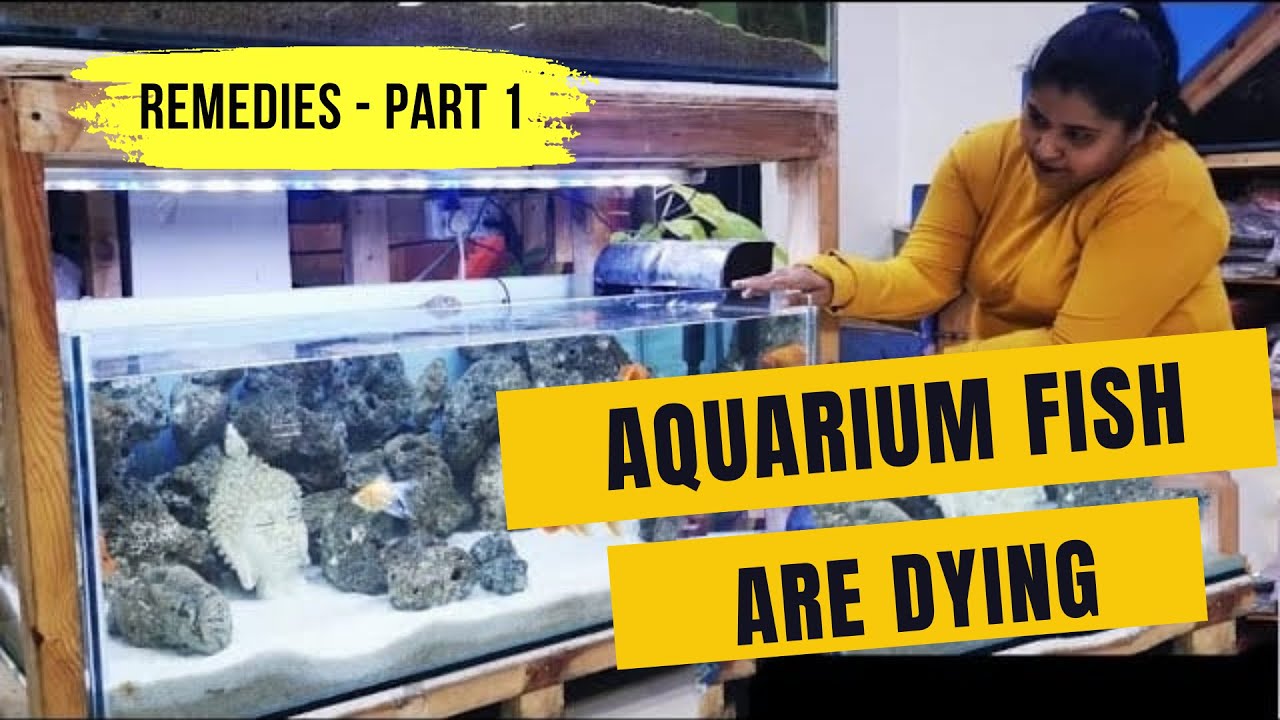
Keeping aquarium fish healthy requires more than just feeding them regularly. Poor water quality, stress, overcrowding, and sudden environmental changes can make fish vulnerable to diseases. Recognizing symptoms early and providing proper treatment can save your fish and prevent outbreaks in your aquarium. At Blessings Aquarium, we help aquarium enthusiasts maintain healthy and disease-free fish tanks. Here are some of the most common aquarium fish diseases and how to treat them. 1. White Spot Disease (Ich) White Spot Disease, also known as Ich, is one of the most common fish diseases. Symptoms: Small white spots on the body and fins Frequent scratching against decorations Rapid breathing Loss of appetite Causes: Stress Sudden temperature changes Introduction of infected fish Treatment: Raise water temperature gradually (if suitable for the species). Use anti-Ich medication. Perform regular water changes. 2. Fin Rot Fin Rot is a bacterial infection that damages fish fins and tails. Symptoms: Torn or ragged fins White edges on fins Fin deterioration Causes: Poor water quality Stress Untreated injuries Treatment: Improve water quality. Use antibacterial medication. Remove aggressive tank mates if necessary. 3. Fungal Infections Fungal infections often appear as cotton-like growths on the fish's body. Symptoms: White fluffy patches Lethargy Reduced appetite Causes: Injuries Poor water conditions Existing health problems Treatment: Use antifungal medication. Maintain clean water. Isolate affected fish if possible. 4. Swim Bladder Disorder This condition affects a fish's ability to swim normally. Symptoms: Floating upside down Difficulty maintaining balance Sinking to the bottom Causes: Overfeeding Constipation Internal infections Treatment: Fast the fish for 24–48 hours. Feed boiled, shelled peas (for suitable species). Improve feeding habits. 5. Velvet Disease Velvet Disease is caused by parasites and can spread quickly. Symptoms: Gold or rust-colored dust-like coating Scratching behavior Clamped fins Causes: Parasite infestation Stress Treatment: Use appropriate anti-parasitic medication. Dim aquarium lighting during treatment. Quarantine infected fish. 6. Dropsy Dropsy is often a symptom of serious internal infections. Symptoms: Swollen abdomen Raised scales (pinecone appearance) Lethargy Causes: Bacterial infections Organ failure Poor water quality Treatment: Isolate the fish. Use antibacterial treatment. Improve tank conditions immediately. How to Prevent Fish Diseases Maintain Excellent Water Quality Regular water changes and proper filtration are essential for fish health. Avoid Overcrowding Too many fish can increase stress and disease risk. Quarantine New Fish Keep new fish in a separate tank for 2–4 weeks before adding them to your aquarium. Feed a Balanced Diet Provide high-quality fish food and avoid overfeeding. Monitor Fish Daily Early detection makes treatment more effective. When Should You Seek Expert Advice? If multiple fish show symptoms, treatments are not working, or the disease spreads rapidly, professional guidance can help prevent significant losses. Watch Video : Aquarium Fish are dying? Remedies Conclusion Most aquarium fish diseases can be treated successfully when detected early. Regular maintenance, proper nutrition, and stable water conditions are the keys to keeping your fish healthy and active. For expert advice on fish care, aquarium setup, medications, filtration systems, and aquarium accessories, visit Blessings Aquarium. We are committed to helping aquarium hobbyists in Pune maintain thriving and beautiful aquariums. Keywords: aquarium fish diseases, fish disease treatment, white spot disease treatment, fin rot treatment, aquarium fish health, fish tank care, aquarium maintenance Pune, Blessings Aquarium Pune
- Why Are My Fish Staying at the Surface?
Have you noticed your aquarium fish spending most of their time near the water surface? While some fish naturally swim in the upper layers of the tank, sudden surface-dwelling behavior can indicate a problem that needs attention. At Blessings Aquarium Pune, we often help fish keepers identify and solve issues that affect fish health. In this guide, we'll explain the common reasons why fish stay at the surface and what you can do to keep your aquarium healthy. 1. Low Oxygen Levels in the Aquarium The most common reason fish gather at the surface is a lack of dissolved oxygen in the water. Fish may come up to the surface to breathe where oxygen exchange occurs. Signs: Fish gasping at the surface Rapid gill movement Reduced activity Solution: Increase water movement with an air pump or filter. Avoid overcrowding the tank. Perform regular water changes. Ensure the filter is working properly. 2. Poor Water Quality High levels of ammonia, nitrite, or nitrate can stress fish and make them seek oxygen-rich areas near the surface. Common Causes: Overfeeding Infrequent water changes Dirty filter media Solution: Test water parameters regularly. Change 20–30% of the water weekly. Remove uneaten food promptly. 3. High Water Temperature Warm water holds less oxygen than cool water. During hot weather in Pune, aquarium temperatures can rise, causing oxygen levels to drop. Solution: Keep the tank away from direct sunlight. Use cooling fans if necessary. Maintain species-appropriate temperatures. 4. Overcrowded Aquarium Too many fish in a small tank can quickly deplete oxygen levels and increase waste production. Solution: Follow proper stocking guidelines. Upgrade to a larger aquarium if needed. Add additional aeration. 5. Stress or Illness Fish suffering from disease or stress may exhibit unusual swimming behavior, including staying near the surface. Signs: Loss of appetite Clamped fins White spots or discoloration Solution: Observe fish carefully for symptoms. Quarantine sick fish. Seek expert advice for treatment. Fish Species That Naturally Stay Near the Surface Not all surface swimming is a problem. Some species naturally prefer the upper part of the aquarium, including: Guppies Hatchetfish Arowanas Bettas Mollies If your fish have always stayed near the surface and appear healthy, there may be no cause for concern. How to Prevent Surface Gasping Maintain excellent water quality. Use a quality filtration system. Avoid overfeeding. Provide proper aeration. Monitor tank temperature regularly. Perform routine aquarium maintenance. Final Thoughts Fish staying at the surface is often a sign that your aquarium needs attention. Low oxygen, poor water quality, high temperatures, and overcrowding are among the most common causes. Identifying the issue early can help prevent stress and disease. If you need expert guidance on aquarium maintenance, fish care, filtration systems, or aquarium accessories, visit Blessings Aquarium. Our team can help you create a healthy and thriving aquarium for your fish. Keywords: fish staying at surface, fish gasping at surface, aquarium oxygen problems, aquarium fish care Pune, fish tank maintenance, Blessings Aquarium Pune, aquarium water quality, aquarium troubleshooting.
- Understanding Sudden Fish Deaths in Your Aquarium: Common Causes and Solutions
Keeping an aquarium is peaceful and rewarding, but it can be heartbreaking when fish start dying suddenly without warning. Many aquarium owners face this problem because of poor water quality, overfeeding, low oxygen, weak filtration, sudden temperature changes, disease, or stress. The good news is that most fish deaths can be prevented with the right aquarium setup, proper maintenance, and good-quality aquarium products. At Blessings Aquarium, Pune, we help aquarium lovers create healthy and beautiful fish tanks with expert guidance, premium fish, quality aquarium accessories, and professional aquarium maintenance support. Common Reasons Why Aquarium Fish Die Suddenly 1. Poor Water Quality Poor water quality is one of the biggest reasons fish die suddenly in an aquarium. When fish waste, leftover food, and dirt collect in the tank, harmful toxins like ammonia and nitrite can increase quickly. Signs of Poor Water Quality Fish gasping at the surface Cloudy or smelly water Fish becoming inactive Sudden deaths overnight Red gills or stressed swimming Solution Change 20–30% aquarium water weekly Use a good-quality aquarium filter Test water regularly Avoid overcrowding the tank Do not wash filter media with tap water 2. Overfeeding the Fish Many beginners think feeding more food will make fish healthier, but overfeeding is dangerous. Extra food sinks to the bottom, rots, and pollutes the water. This can increase ammonia and make fish sick. Solution Feed small portions 1–2 times daily Give only what fish can finish in 1–2 minutes Remove leftover food Use high-quality fish food Avoid feeding too much during winter or low-temperature periods 3. Sudden Temperature Changes Aquarium fish are sensitive to sudden temperature changes. If the water becomes too cold or too hot suddenly, fish can become stressed, weak, and more likely to get diseases. For many tropical freshwater fish, a stable temperature around 24°C to 28°C is suitable. Solution Use an aquarium heater when needed Keep the tank away from direct sunlight Do not add very cold or very hot water during water changes Check temperature daily with a thermometer 4. Lack of Oxygen in the Tank Low oxygen can make fish gasp at the surface. This usually happens in overcrowded tanks, tanks without proper water movement, or during power cuts. Solution Install an aquarium air pump Maintain good water circulation Avoid overcrowding Keep the filter running properly Use a battery air pump during power cuts . 5. Fish Diseases and Infections Fish diseases can spread quickly if infected fish are not treated early. New fish should always be checked before adding them to an existing aquarium. Common Symptoms White spots on body Torn fins Loss of appetite Unusual swimming Fish rubbing against objects Red patches or cloudy eyes Solution Quarantine new fish before adding them Keep water clean and stable Do not mix sick fish with healthy fish Use proper fish medicine only after identifying the problem Take expert advice before treatment 6. Incompatible Fish Species Not all fish can live together. Aggressive fish may attack smaller or peaceful fish. Some fish need different water conditions, tank sizes, or diets. Beginner-Friendly Fish Options For beginners, peaceful fish are usually better, such as: Guppies Mollies Tetras Corydoras Goldfish Algae eaters Tips to Keep Aquarium Fish Healthy Do regular water changes Use a proper filtration system Feed quality fish food Avoid overcrowding Maintain stable temperature Add oxygen support when needed Test water parameters regularly Buy healthy fish from trusted aquarium stores Take expert advice before adding new fish Recommended Aquarium Products for Healthy Fish To prevent sudden fish deaths, every aquarium owner should keep these basic products: Aquarium Filter – keeps water clean and supports beneficial bacteria Air Pump – improves oxygen level and water movement Aquarium Heater – maintains stable temperature for tropical fish Water Conditioner – makes tap water safer for fish Water Test Kit – helps check ammonia, nitrite, nitrate, pH, and water quality Quality Fish Food – supports immunity, growth, and colour Fish Medicine – useful for early treatment when disease is detected Why Choose Blessings Aquarium? At Blessings Aquarium, we provide: Premium aquarium fish in Pune Custom aquarium setups in Pune Aquarium maintenance guidance in Pune High-quality aquarium accessories in Pune Fish food, filters, heaters, and air pumps in Pune Expert support for beginners in Pune Professional aquarium services in Pune Watch Video: Why Aquarium Fish Die Suddenly Watch this video to understand the most common reasons aquarium fish die suddenly and how to prevent it with proper filtration, feeding, oxygen, temperature control, and water care. Whether you are starting a small home aquarium or planning a large custom fish tank, Blessings Aquarium helps you create a safe, healthy, and beautiful aquatic environment for your fish. Need help with your aquarium? Visit Blessings Aquarium or contact our team for expert fish care guidance.
- Why Is My Fish Not Eating Food? Common Reasons & Solutions | Blessings Aquarium Pune
One of the most common concerns among aquarium owners is when their fish suddenly stop eating. Healthy fish are usually active and eager during feeding time, so loss of appetite can be a sign that something is wrong in the aquarium. At Blessings Aquarium Pune, we often help aquarium owners identify the reasons behind fish not eating and provide effective solutions to keep their fish healthy and active. In this guide, we explain the most common causes and what you can do to solve the problem. Common Reasons Why Fish Stop Eating 1. Poor Water Quality Dirty or unhealthy water is one of the biggest reasons fish lose their appetite. High ammonia levels, dirty filters, or irregular water changes can stress fish and affect their health. Signs: Fish staying at the bottom Slow movement Cloudy aquarium water Solution: Change 20–30% of the water regularly Clean the filter properly Check water parameters frequently 2. Stress in the Aquarium Fish can become stressed due to overcrowding, aggressive tank mates, loud noises, or sudden changes in water temperature. Signs: Hiding frequently Swimming irregularly Refusing food Solution: Avoid overcrowding Maintain stable water temperature Keep compatible fish species together 3. Overfeeding Many aquarium owners accidentally overfeed fish. Excess food remaining in the tank can pollute the water and reduce appetite. Solution: Feed small portions only Remove leftover food after 2–3 minutes Feed fish once or twice daily 4. Wrong Type of Fish Food Not all fish eat the same type of food. Some fish prefer flakes, while others require pellets, live food, or algae-based diets. Solution: Choose food according to your fish species: Goldfish: Pellets and flakes Betta Fish: Protein-rich pellets Bottom feeders: Sinking wafers Herbivorous fish: Algae-based food 5. Fish Are Sick Loss of appetite is often an early sign of illness in aquarium fish. Common Symptoms: White spots Torn fins Swollen body Rapid breathing Solution: Isolate sick fish if needed Consult aquarium experts Use proper fish medication 6. New Fish Need Time to Adjust Newly purchased fish may not eat for the first few days because they are adjusting to the new environment. Solution: Give them time to settle Avoid disturbing the aquarium Keep lighting soft during the adjustment period 7. Incorrect Water Temperature Fish are sensitive to temperature changes. Water that is too cold or too hot can reduce their appetite. Ideal Aquarium Temperatures: Tropical fish: 24°C to 28°C Goldfish: 18°C to 22°C Solution: Use a quality aquarium heater and thermometer. Tips to Improve Fish Appetite Maintain clean aquarium water Feed high-quality fish food Avoid sudden environmental changes Add aquarium plants and hiding spaces Follow a regular feeding schedule When Should You Be Concerned? If your fish refuses food for more than 3–5 days and shows signs of weakness or illness, immediate action is necessary. Early treatment can prevent serious health issues. Aquarium Care Services in Pune At Blessings Aquarium Pune, we provide: Aquarium maintenance services in pune Healthy aquarium fish in pune Fish food and accessories in pune Custom aquarium setup in pune Expert fish care guidance in pune Whether you are a beginner or an experienced fish keeper, our team can help you maintain a healthy and beautiful aquarium. Conclusion Fish not eating food can happen for many reasons, including stress, poor water quality, illness, or incorrect feeding habits. Understanding the cause early helps keep your fish healthy and active. If you need expert aquarium advice or aquarium maintenance services in Pune, visit Blessings Aquarium Pune for professional support and quality aquarium products.
- How to Treat White Spot Disease in Aquarium Fish – Complete Guide by Blessings Aquarium
White Spot Disease, also known as Ich or Ichthyophthirius multifiliis, is one of the most common aquarium fish diseases. It appears as tiny white salt-like spots on the fish’s body, fins, and gills. If not treated quickly, it can spread rapidly and become dangerous for all fish in the tank. At Blessings Aquarium, we help aquarium owners in Pune maintain healthy and disease-free fish tanks. In this guide, you’ll learn the causes, symptoms, treatment, and prevention methods for White Spot Disease in aquarium fish. What Is White Spot Disease in Aquarium Fish? White Spot Disease is caused by a parasite that attacks aquarium fish, especially when they are stressed or living in poor water conditions. The disease spreads quickly in freshwater aquariums and can infect many fish species. The parasite usually enters the tank through: Newly added infected fish Unclean aquarium water Stress from temperature changes Poor tank maintenance Symptoms of White Spot Disease Here are the common signs of Ich disease in aquarium fish: 1. White Dots on Fish Body Tiny white spots appear on fins, tail, body, and gills . 2. Fish Rubbing Against Objects Fish may scratch themselves on rocks, plants, or aquarium glass. 3. Fast Breathing Infected fish often breathe heavily because the parasite affects the gills. 4. Loss of Appetite Fish may stop eating or become weak. 5. Hiding or Staying at Bottom Fish become stressed and inactive. How to Treat White Spot Disease in Aquarium Fish Step 1: Increase Water Temperature Gradually raise the aquarium temperature to around 28°C–30°C if your fish species can tolerate it. Warm water speeds up the parasite’s life cycle and helps treatment work faster. Avoid sudden temperature changes. Step 2: Use White Spot Medicine Use a trusted anti-Ich medication available at aquarium stores. Follow the dosage instructions carefully. Popular treatments include: Ich treatment drops Anti-parasite medicines Aquarium salt treatment You can find suitable aquarium medicines and expert guidance at Blessings Aquarium. Step 3: Add Aquarium Salt Aquarium salt helps reduce stress and kill parasites. Recommended dosage: 1 tablespoon per 20 liters of water Do not use regular table salt. Step 4: Perform Partial Water Changes Change 25–30% of the aquarium water daily during treatment. Clean water helps fish recover faster. Always use: Dechlorinated water Proper water temperature Clean filter system Step 5: Improve Oxygen Levels During treatment, increase aeration using Air pumps Air stones Proper filtration Warm water contains less oxygen, so extra aeration is important. How to Prevent White Spot Disease Prevention is always better than treatment. Follow these tips: Quarantine New Fish Keep new fish in a separate tank for 1–2 weeks before adding them to your aquarium. Maintain Good Water Quality Regularly check: Temperature pH levels Ammonia levels Avoid Overcrowding Too many fish increase stress and disease spread. Feed High-Quality Fish Food Healthy fish have stronger immunity. Clean Aquarium Regularly Regular maintenance prevents parasite buildup. Best Fish Care Tips from Blessings Aquarium At Blessings Aquarium Pune, we provide: Aquarium setup services Healthy aquarium fish Fish medicines and accessories Fish tank cleaning services Expert aquarium maintenance guidance Whether you are a beginner or experienced fish keeper, proper care keeps your aquarium beautiful and disease-free. Watch Video : White Spot Disease in Aquarium Fish Conclusion White Spot Disease can spread quickly, but with early treatment and proper aquarium care, your fish can recover successfully. Maintaining clean water, reducing stress, and monitoring fish health are the best ways to prevent Ich infections. If you need expert help for aquarium fish diseases, fish tank maintenance, or aquarium products in Pune, visit Blessings Aquarium today.